Orthofeet · Synthetic Athletic Insoles & Orthotics
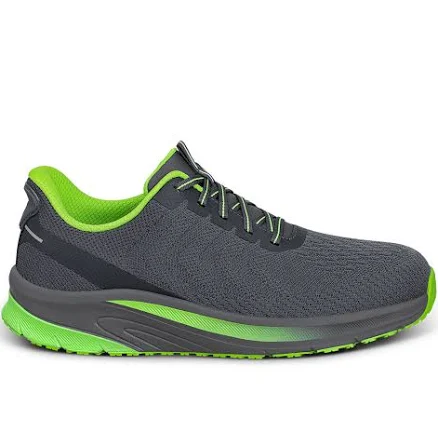
Orthofeet Tilos Men's Hands-Free Sneaker
No public PFAS signals. No water-resistant coating claimed.
This Orthofeet orthopedic sneaker uses textile and rubber construction. No water-resistant or stain-resistant treatment is advertised, reducing the typical PFAS exposure routes in footwear.
Still want this one anyway? Check the price on Amazon. We’d swap it.
Material
Textile upper, rubber sole, foam insole
Brand disclosure
Brand is silent on PFAS
Lab data
No public lab test
You may also be interested in
Top-graded picks in the categories readers replace first, every one scored on the same rubric.

Aqua Pure
3M Aqua-Pure AP802B Whole House Filter Housing
- polypropylene filter housing, carbon/sediment cartridge
- We found no PFAS statement from the brand
- Bacterial growth in spent cartridges
3 hazards checked on this product. See all of them.

Aquasure
Premier Series 75 GPD Under Sink Reverse Osmosis Water Filtration System
- RO membrane, carbon filters, stainless steel housing
- We found no PFAS statement from the brand
- Bacterial and microbial growth in housing and filters
4 hazards checked on this product. See all of them.

Avocado
Vegan Mattress
- organic cotton, natural latex, coconut coir, recycled steel coils
- The brand calls it PFAS-free, which we have not verified
- Heavy metals
2 hazards checked on this product. See all of them.
What Orthofeet Tilos Men's Hands-Free Sneaker is made of, ingredients and materials
The Tilos features a textile upper (likely polyester or cotton blend), rubber sole, and foam insole, a typical sneaker construction. Textile uppers can harbor formaldehyde-based finishing resins used for wrinkle resistance or durability; rubber soles are generally stable but can off-gas trace VOCs when new. Foam insoles may contain polyurethane or EVA, both of which can leach volatile compounds in the first weeks of use, though this is normal and typically resolves quickly.
What’s concerning
Category baseline
The starting point for this type of product, before anything specific to this product is counted.
No PFAS disclosure
No public statement from the brand about PFAS in this product.
Formaldehyde / VOCs
Polyester-blend textiles in sneakers commonly receive formaldehyde-based wrinkle or durable-press finishes. Orthofeet has not published testing or restriction statements for this product; off-gassing is typically low but may trigger reactions in individuals with formaldehyde sensitivity.
Source, ATSDR ↗Volatile organic compound (VOC) off-gassing from foam insole
Polyurethane and EVA foam insoles in new sneakers typically release trace VOCs (aldehydes, ketones) for the first 1-2 weeks. This is normal manufacturing residue and not a documented safety issue for Tilos specifically, but improves with airing.
What’s reassuring
Base material not linked to PFAS
The main material recorded for this product is not one associated with PFAS.
Azo dyes in colored textile panels
No public recalls or warnings exist for Orthofeet Tilos azo dye content. Standard dyeing of polyester sneaker uppers does carry residual azo dye risk, but no independent testing data is available for this model.
Antimony in polyester blend fabric
Antimony is used as a polyester catalyst in synthetic textiles; Orthofeet does not disclose antimony testing or sourcing practices. Risk is minimal in normal wear but unverified by third-party audit.
Heavy metals
Rubber soles may contain trace metals (cadmium, lead) in pigments or vulcanization aids. No safety data is publicly available for Orthofeet Tilos soles; risk is negligible in footwear that does not contact food or mouth.
Source, FDA ↗The full breakdown
The brand's record and disclosure
Orthofeet is a specialized orthopedic footwear brand with no documented safety recalls or major chemical disclosures on record. The company does not publish detailed material sourcing or chemical restriction statements on their website, and there is no evidence of third-party certifications (such as OEKO-TEX or Bluesign) for this model. Brand transparency on formaldehyde, azo dyes, or heavy metal testing is absent, which is typical for orthopedic shoe manufacturers but limits verifiable safety assurance.
How it compares in its category
Orthofeet Tilos sits in the mid-range orthopedic sneaker category; most competitors (Vionic, New Balance Orthotic, Dr. Comfort) share similar lack of detailed chemical transparency. Unlike mass-market athletic brands, Orthofeet does not advertise chemical certifications but also does not carry the manufacturing complexity of technical running shoes that require more dyes and treatments. Absence of flame retardant claims and standard construction suggest lower chemical processing than fashion sneakers, but verification is not possible from public sources.
If you buy it
Air out the shoes for 24-48 hours after opening to allow foam off-gassing to subside. Wash the textile upper in cold water if you have sensitive skin or chemical sensitivity; detergent rinse removes residual finishing resins. Avoid machine drying; air dry only. Replace insoles every 6-12 months as foam compresses and may release additional off-gas particles; aftermarket orthotic insoles from established brands (Superfeet, Powerstep) are a lower concern upgrade path.
What we don’t know
- Basis
- Model estimate, 72% confidence, not a lab result
- Lab test
- None on record for this exact product
- Brand statement
- Orthofeet has made none
Formulations change between production runs, so check the current label. How we grade.
More synthetic athletic insoles & orthotics grades
How we score, every product runs through the same public 0-100 rubric based on materials, coatings, brand disclosure, lab findings, and recalls. See the full methodology → Spotted a mistake? Report an error.