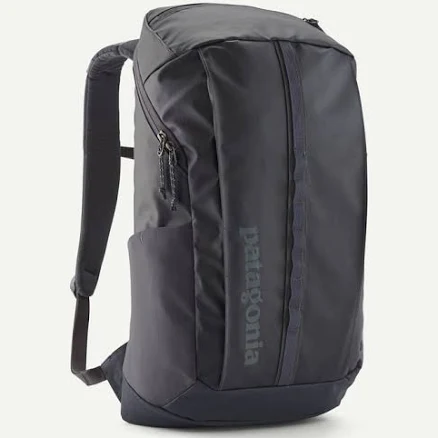
Black Hole Pack 25L Patagonia
A water-repellent or grease-resistant treatment of unstated chemistry, with a brand PFAS statement we have not verified.
Patagonia says 100% of its new products from Spring 2025 are made without intentionally added PFAS. We record that as an unverified brand claim. Its record describes a water-repellent or grease-resistant treatment of unstated chemistry, which is still counted.
Brand says: “Patagonia says 100% of its new products from Spring 2025 are made without intentionally added PFAS.”
Still want this one anyway? Check the price on Amazon. We’d swap it.
Material
nylon/polyester pack with water-repellent coating
Brand disclosure
Brand claims PFAS-free
Lab data
No public lab test
You may also be interested in
Top-graded picks in the categories readers replace first, every one scored on the same rubric.

- polypropylene filter housing, carbon/sediment cartridge
- We found no PFAS statement from the brand
- Bacterial growth in spent cartridges
3 hazards checked on this product, all on its full breakdown.

Aquasure
Premier Series 75 GPD Under Sink Reverse Osmosis Water Filtration System
- RO membrane, carbon filters, stainless steel housing
- We found no PFAS statement from the brand
- Bacterial and microbial growth in housing and filters
4 hazards checked on this product, all on its full breakdown.

Avocado
Vegan Mattress
- organic cotton, natural latex, coconut coir, recycled steel coils
- The brand calls it PFAS-free, which we have not verified
- Heavy metals
2 hazards checked on this product, all on its full breakdown.
What Black Hole Pack 25L Patagonia is made of, ingredients and materials
The Black Hole Pack uses nylon and polyester as primary materials, both synthetic polymers that are chemically stable under normal use and do not leach monomers into skin or contents. The key concern is the water-repellent coating (water-repellent coating) coating applied to the fabric surface to shed water and resist stains. Patagonia has stated a move toward PFAS-free water-repellent coating formulations, but the specific chemistry of this 25L model's treatment is not publicly disclosed, creating uncertainty about whether legacy PFAS-based chemistry or newer alternatives are in use.
What’s concerning
Category baseline
The starting point for this type of product, before anything specific to this product is counted.
Waterproof / stain-resistant treatment
Water-repellent coating treatments have historically used PFAS.
PFAS
Patagonia claims PFAS-free transition but has not published independent verification for this specific product model. Older stock or models made before full transition may contain legacy PFAS-based water-repellent coating; contact Patagonia directly for manufacturing date and coating specification.
Source, ATSDR ↗Nylon/polyester microfiber shedding
Nylon and polyester backpacks can shed microscopic fibers during washing or abrasion, though the risk is low for a structured pack used on skin. Minimize shedding by avoiding tumble drying and harsh agitation; this is a concern if pack contents include food or are later composted.
What’s reassuring
Brand-stated PFAS-free
The brand states this product is PFAS-free. We have not verified the claim.
Stitching and adhesive durability
No specific safety issues reported with Patagonia stitching adhesives or thread treatments in Black Hole packs. Standard sewing chemicals are not hazardous at typical exposure levels, but degradation over years may expose stitched seams.
Dye stability in polyester components
Polyester dyes in this product are not recorded to leach heavy metals or cause skin reactions. Black colorant in nylon/polyester packs typically uses carbon black or synthetic indigo, both stable. Verify no allergic response if pack is worn directly against skin for extended periods.
Zipper and hardware leaching
Patagonia uses commercial-grade metal zippers and plastic hardware that comply with consumer product safety standards. No recalls or contamination reports exist for Black Hole Pack hardware; standard precaution is to rinse pack after salt-water or mineral-rich environments to prevent corrosion.
How is this PFAS grade calculated?
The brand's record and disclosure
Patagonia has a strong public commitment to environmental and safety transparency, including published phase-out timelines for PFAS in their apparel lines. However, the company has not independently verified third-party testing of individual products to confirm PFAS absence. No recalls or safety violations specific to the Black Hole Pack line are on record. For backpacks and gear, transparency remains incomplete; Patagonia publishes environmental impact statements but does not provide product-level chemical test reports for consumer review.
How it compares in its category
Most 25L backpacks in this price range use water-repellent coating-coated nylon or polyester with similar uncertainty around coating chemistry. Patagonia's brand reputation and stated PFAS commitments place it ahead of generic or offshore brands with no disclosure. However, competitors including Osprey and Peak Design have published more granular chemical transition statements for their gear lines. The Black Hole Pack's durability record is established (many users report multi-year service), which is more relevant to safety than coating chemistry alone.
If you buy it
Nylon and polyester in backpacks pose no direct health risk to skin or food if the pack is used for gear, clothing, or day-trip storage rather than food contact. Avoid storing strong solvents, harsh chemicals, or prolonged heat exposure inside, as the fabric and stitching can degrade over years of UV and thermal stress. Clean with mild soap and water; do not dry-clean or apply additional treatments unless Patagonia-approved. If the fabric begins to crack, peel, or shed white residue after 5+ years, replacement is advisable to avoid material shedding into contents.
What is not known about PFAS in this product?
- Basis
- Model estimate, 35% confidence, not a lab result
- Lab test
- None on record for this exact product
- Brand statement
- Patagonia has made a specific claim
Formulations change between production runs, so check the current label. How we grade.
More backpacks grades
How we score, every product runs through the same public 0-100 rubric based on materials, coatings, brand disclosure, lab findings, and recalls. See the full methodology → Spotted a mistake? Report an error.