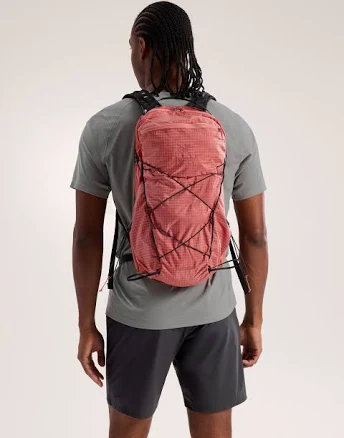
Arc'teryx Aerios 18 Backpack
Arc'teryx provides no public PFAS transparency despite known water-repellent coating treatment.
The Aerios 18 uses nylon and polyester with a water-repellent coating typical of outdoor packs. Arc'teryx does not publicly disclose whether PFAS is used or absent from their materials.
Still want this one anyway? Check the price on Amazon. We’d swap it.
Material
Nylon/polyester blend with water-repellent coating (water-repellent coating) treatment
Lab data
No public lab test
You may also be interested in
Top-graded picks in the categories readers replace first, every one scored on the same rubric.

- polypropylene filter housing, carbon/sediment cartridge
- We found no PFAS statement from the brand
- Bacterial growth in spent cartridges
3 hazards checked on this product, all on its full breakdown.

Aquasure
Premier Series 75 GPD Under Sink Reverse Osmosis Water Filtration System
- RO membrane, carbon filters, stainless steel housing
- We found no PFAS statement from the brand
- Bacterial and microbial growth in housing and filters
4 hazards checked on this product, all on its full breakdown.

Avocado
Vegan Mattress
- organic cotton, natural latex, coconut coir, recycled steel coils
- The brand calls it PFAS-free, which we have not verified
- Heavy metals
2 hazards checked on this product, all on its full breakdown.
What Arc'teryx Aerios 18 Backpack is made of, ingredients and materials
The Aerios 18 uses a nylon and polyester blend fabric with a water-repellent coating (water-repellent coating) treatment applied to the exterior. water-repellent coating coatings historically relied on legacy PFAS compounds (like PFOA) to repel water, though many brands have shifted to PFAS-free alternatives in recent years. Arc'teryx has not publicly disclosed whether this pack uses fluorocarbon-based or fluorocarbon-free water-repellent coating, leaving uncertainty about PFAS content. Nylon and polyester themselves are stable synthetics with low leaching risk during normal backpack use.
What’s concerning
Category baseline
The starting point for this type of product, before anything specific to this product is counted.
No PFAS disclosure
No public statement from the brand about PFAS in this product.
Waterproof / stain-resistant treatment
Water-repellent coating treatments have historically used PFAS.
PFAS
Arc'teryx does not disclose whether the Aerios 18 uses legacy fluorocarbon-based water-repellent coating (which may contain PFAS) or fluorocarbon-free alternatives. Contact with skin or food is negligible during backpack use, but microfiber shedding during washing could theoretically release small amounts of coating residue into laundry water.
Source, ATSDR ↗What’s reassuring
Nylon and polyester fiber shedding
The nylon/polyester blend is chemically stable under normal backpack conditions (no heat exposure, no food contact). Microfiber release during washing is a general concern for all synthetic textiles but carries no established toxicological risk from the fibers themselves.
Formaldehyde / VOCs
No public reports of formaldehyde issues in Arc'teryx packs. Nylon and polyester textiles may use formaldehyde-based resins in dye fixation, but Arc'teryx does not market this as a premium backpack vulnerable to formaldehyde off-gassing like some apparel does.
Source, ATSDR ↗Metal hardware corrosion or leaching
The pack likely includes steel or aluminum buckles, zippers, and D-rings. No documented issues of heavy metal leaching from Arc'teryx hardware; outdoor gear hardware is typically sealed or anodized to resist corrosion.
VOC off-gassing from adhesives or coatings
New backpacks may have a chemical odor from manufacturing and water-repellent coating application, but this is temporary and resolves with airing out. Arc'teryx does not use foam padding or flame retardants typical of furniture, so long-term off-gassing risk is minimal.
How is this PFAS grade calculated?
The brand's record and disclosure
Arc'teryx is a premium outdoor brand owned by Salomon/Amer Sports with a strong reputation for durability and performance but a limited public stance on chemical transparency. The company does not routinely disclose water-repellent coating treatment chemistry, PFAS test results, or supply-chain certifications for backpacks on product pages or marketing materials. No major recalls or contamination incidents are documented for this specific model. The silence on PFAS treatment, standard across many outdoor gear makers, reflects industry-wide opacity rather than a unique Arc'teryx failure.
How it compares in its category
Mid-range technical backpacks typically use nylon/polyester with water-repellent coating; Arc'teryx's version is well-engineered but not exceptional in material safety disclosure. Some competitors (e.g., Patagonia) have published PFAS reduction commitments and third-party certifications; others remain equally silent. Budget alternatives often use cheaper synthetics without advanced coatings, trading water resistance for clarity. Premium ultralight packs sometimes skip water-repellent coating entirely, avoiding the PFAS question altogether but sacrificing weather protection.
If you buy it
Wash the pack regularly with plain water or mild detergent to reduce any residual coating wear or dirt buildup; avoid dry-cleaning and high-heat drying, which can degrade nylon fibers. The water-repellent coating treatment will wear down over 2-5 years of heavy use; you can refresh it with commercially available water-repellent coating re-treatment sprays (check the product label for PFAS-free options if that concerns you). Inspect straps and seams annually for fraying or stress damage. Store in a cool, dry place away from direct sunlight to slow UV degradation of the nylon.
What is not known about PFAS in this product?
- Basis
- Model estimate, 45% confidence, not a lab result
- Lab test
- None on record for this exact product
- Brand statement
- Arc'teryx has made a specific claim
Formulations change between production runs, so check the current label. How we grade.
What are the PFAS-free alternatives to Arc'teryx Aerios 18 Backpack?
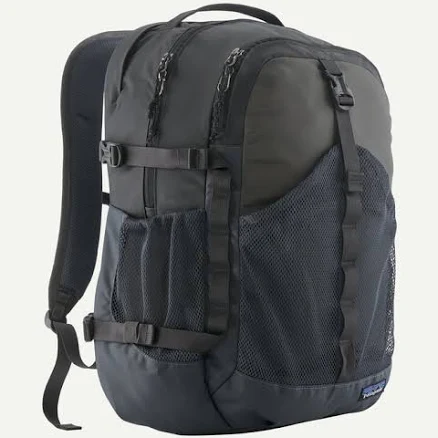
- Nylon/polyester blend with water-repellent coating (water-repellent coating) treatment
- The brand calls it PFAS-free, which we have not verified
- PFAS
3 hazards checked on this product, all on its full breakdown.
Find an alternative on Amazon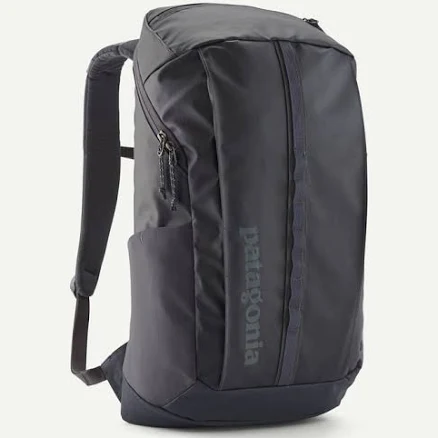
- nylon/polyester pack with water-repellent coating
- The brand calls it PFAS-free, which we have not verified
- PFAS
2 hazards checked on this product, all on its full breakdown.
Find an alternative on AmazonMore backpacks grades
How we score, every product runs through the same public 0-100 rubric based on materials, coatings, brand disclosure, lab findings, and recalls. See the full methodology → Spotted a mistake? Report an error.