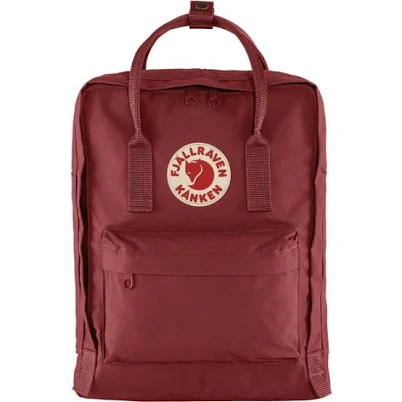
Fjallraven Kanken Backpack
Contact Fjällräven directly if PFAS-free status matters to your purchase decision.
This backpack features Vinylon fabric treated for water repellency using wax-based finishes rather than confirmed Teflon-family coating. Fjällräven doesn't publicly state whether PFAS is present or absent in their water-repellent treatment.
Still want this one anyway? Check the price on Amazon. We’d swap it.
Material
Vinylon (polyvinyl chloride-based synthetic fiber) fabric with wax-based water repellent
Brand disclosure
Brand is silent on PFAS
Lab data
No public lab test
You may also be interested in
Top-graded picks in the categories readers replace first, every one scored on the same rubric.

- polypropylene filter housing, carbon/sediment cartridge
- We found no PFAS statement from the brand
- Bacterial growth in spent cartridges
3 hazards checked on this product, all on its full breakdown.

Aquasure
Premier Series 75 GPD Under Sink Reverse Osmosis Water Filtration System
- RO membrane, carbon filters, stainless steel housing
- We found no PFAS statement from the brand
- Bacterial and microbial growth in housing and filters
4 hazards checked on this product, all on its full breakdown.

Avocado
Vegan Mattress
- organic cotton, natural latex, coconut coir, recycled steel coils
- The brand calls it PFAS-free, which we have not verified
- Heavy metals
2 hazards checked on this product, all on its full breakdown.
What Fjallraven Kanken Backpack is made of, ingredients and materials
Fjällräven Kanken uses Vinylon, a polyvinyl chloride (PVC) based synthetic fiber, combined with wax-based water repellency rather than fluorinated water-repellent coating (water-repellent coating) coatings. Vinylon itself is stable during normal use and does not leach plasticizers like phthalates into food or skin contact because it is a textile substrate, not a food-contact or flexible plastic product. The wax finish is mechanically applied and poses minimal chemical leaching risk under dry storage and backpack use conditions. The main consideration is that PVC production and disposal carry environmental concerns, not acute consumer safety hazards in this application.
What’s concerning
Category baseline
The starting point for this type of product, before anything specific to this product is counted.
No PFAS disclosure
No public statement from the brand about PFAS in this product.
Waterproof / stain-resistant treatment
Water-repellent coating treatments have historically used PFAS.
PVC polymer stability and degradation
Vinylon is a stable PVC fiber under normal use. Risk emerges only if exposed to sustained high heat (above 60°C), prolonged UV exposure, or mechanical damage that exposes fibers; in standard backpack use, this is unlikely.
Wax-based water-repellent coating formulation opacity
The brand does not publicly specify the composition of the wax water repellent; minor proprietary additives could include surfactants or biocides, but no contamination has been documented. Contact the manufacturer if ingredient transparency is essential.
What’s reassuring
Phthalate leaching from PVC
Phthalates are a risk only in flexible, food-contact PVC plastics (e.g., cling wrap, soft toys). Vinylon textile fiber is rigid and does not contain plasticizers, so phthalate leaching is not a concern for this product.
Azo dyes in synthetic fibers
Fjällräven's Kanken is typically finished in solid colors (black, green, red, etc.) but no substantiated reports of banned azo dyes exist. The brand's market position suggests compliance with EU textile regulations, though formal testing data is not public.
Formaldehyde / VOCs
Wax finishes do not use formaldehyde-releasing resins. This hazard applies to some nylon or cotton-blend backpacks with wrinkle-resistant or shrink-proof treatments, not to this product.
Source, ATSDR ↗How is this PFAS grade calculated?
The brand's record and disclosure
Fjällräven has not published detailed ingredient or water-repellent coating chemistry disclosures for the Kanken line, creating a transparency gap around whether wax formulation includes any legacy or emerging water-repellent additives. The brand is not known for major product safety recalls or substantiated contamination incidents. Fjällräven markets the Kanken as a durable, multi-decade product and has maintained a reputation for longevity, though they do not pursue formal certifications like OEKO-TEX or bluesign that would independently verify chemical composition.
How it compares in its category
Wax-based water repellency is not a material linked to PFAS, unlike fluorinated water-repellent coating coatings used in many outdoor and technical backpacks, which may contain PFOA/PFOS precursors. Kanken's non-coated Vinylon alternative is less chemically loaded than nylon or polyester packs treated with legacy fluorinated finishes. Compared to leather or canvas alternatives, Vinylon backpacks avoid tannin or formaldehyde-resin concerns but require careful disposal as PVC; they sit in a middle ground on chemical simplicity.
If you buy it
Clean the backpack with plain water and mild soap; avoid bleach or high heat (e.g., washing machine hot cycles) which could degrade the wax finish and potentially expose underlying PVC fibers. Store in a cool, dry place away from direct sunlight to minimize wax oxidation and maintain water repellency. The wax finish will wear naturally after 5-10 years of heavy use; re-waxing is possible and extends product life rather than requiring replacement. If you have specific concerns about water-repellent coating chemistry, contact Fjällräven directly to request their formulation data before purchase.
What is not known about PFAS in this product?
- Basis
- Model estimate, 72% confidence, not a lab result
- Lab test
- None on record for this exact product
- Brand statement
- Fjällräven has made none
Formulations change between production runs, so check the current label. How we grade.
What are the PFAS-free alternatives to Fjallraven Kanken Backpack?
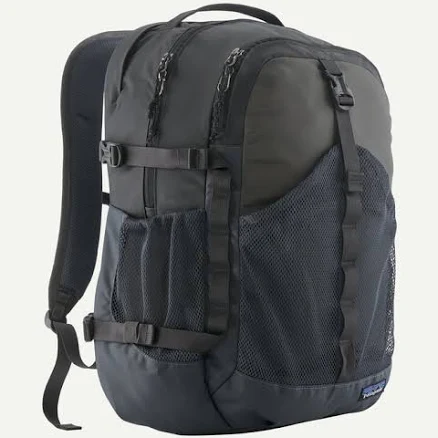
- Nylon/polyester blend with water-repellent coating (water-repellent coating) treatment
- The brand calls it PFAS-free, which we have not verified
- PFAS
3 hazards checked on this product, all on its full breakdown.
Find an alternative on Amazon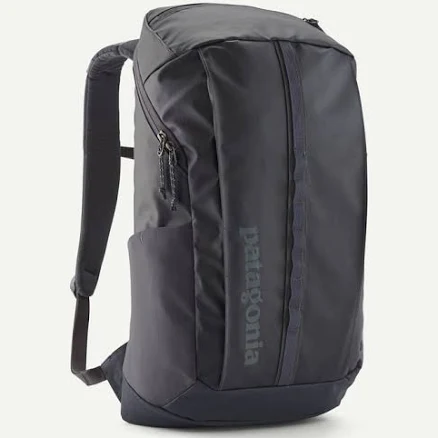
- nylon/polyester pack with water-repellent coating
- The brand calls it PFAS-free, which we have not verified
- PFAS
2 hazards checked on this product, all on its full breakdown.
Find an alternative on AmazonMore backpacks grades
How we score, every product runs through the same public 0-100 rubric based on materials, coatings, brand disclosure, lab findings, and recalls. See the full methodology → Spotted a mistake? Report an error.