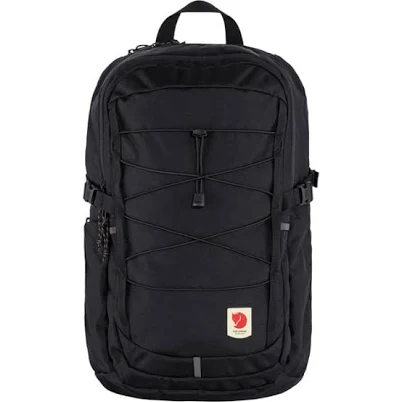
Fjallraven Skule Backpack
Moderate PFAS concern due to water-repellent coating treatment with no public disclosure; seek lower-risk alternatives if PFAS-free verification is important.
The Skule uses G-1000 HD fabric, a durable polyester-cotton blend with a water-repellent coating water-repellent finish. Fjällräven does not publicly disclose whether this treatment contains PFAS or offer any commitment to PFAS-free manufacturing.
Still want this one anyway? Check the price on Amazon. We’d swap it.
Material
G-1000 HD fabric (polyester/cotton blend) with water-repellent coating water-repellent treatment
Brand disclosure
Brand is silent on PFAS
Lab data
No public lab test
You may also be interested in
Top-graded picks in the categories readers replace first, every one scored on the same rubric.

- polypropylene filter housing, carbon/sediment cartridge
- We found no PFAS statement from the brand
- Bacterial growth in spent cartridges
3 hazards checked on this product, all on its full breakdown.

Aquasure
Premier Series 75 GPD Under Sink Reverse Osmosis Water Filtration System
- RO membrane, carbon filters, stainless steel housing
- We found no PFAS statement from the brand
- Bacterial and microbial growth in housing and filters
4 hazards checked on this product, all on its full breakdown.

Avocado
Vegan Mattress
- organic cotton, natural latex, coconut coir, recycled steel coils
- The brand calls it PFAS-free, which we have not verified
- Heavy metals
2 hazards checked on this product, all on its full breakdown.
What Fjallraven Skule Backpack is made of, ingredients and materials
The Skule uses G-1000 HD, a waxed polyester-cotton blend proprietary to Fjällräven, treated with a water-repellent coating (water-repellent coating) finish. The cotton-polyester base itself poses no known leaching or toxicity concerns under normal use. The water-repellent coating treatment is the material question, traditional formulations used PFOA-based compounds, but many brands have since switched to fluorine-free or short-chain alternatives. Fjällräven has not publicly disclosed which water-repellent coating chemistry they use, creating uncertainty rather than confirmed risk.
What’s concerning
Category baseline
The starting point for this type of product, before anything specific to this product is counted.
No PFAS disclosure
No public statement from the brand about PFAS in this product.
Waterproof / stain-resistant treatment
Water-repellent coating treatments have historically used PFAS.
PFAS
G-1000 HD includes a water-repellent treatment of undisclosed composition. Modern water-repellent coating can use short-chain fluorocarbons, silicone, or fluorine-free polymers; without brand confirmation, risk level cannot be pinned. Leaching into skin or water is minimal under normal wear but increases with frequent washing or sweat exposure on prolonged trips.
Source, ATSDR ↗Formaldehyde / VOCs
Cotton-polyester blends may use small amounts of formaldehyde-based durable-press or flame-resist resins during manufacture. Off-gassing is typically minimal in finished outdoor gear and dissipates within days of opening. Washing before heavy use reduces exposure further.
Source, ATSDR ↗Microplastic shedding from synthetic fibers
The polyester component will shed microfibers during washing and wear, though the G-1000 construction (thicker and waxed) sheds less than lightweight nylon. This is a material-class issue rather than a brand-specific flaw; washing in a microfiber filter bag reduces environmental release.
What’s reassuring
Azo dyes in polyester component
Polyester-cotton blends can theoretically include azo dyes (which may release banned amines), but Fjällräven's outdoor reputation and lack of reported issues suggest standard, compliant dye batches. No recalls or test failures for this product on record.
Metal hardware (zippers, buckles) composition
Fjällräven typically uses zinc-alloy or stainless steel hardware that meets European safety standards. No lead, cadmium, or nickel leaching issues have been reported for this model.
How is this PFAS grade calculated?
The brand's record and disclosure
Fjällräven is a Swedish outdoor brand with a general reputation for durability and sustainability messaging, but they have not published detailed chemical disclosure statements or third-party certifications (such as OEKO-TEX or bluesign) for the Skule line. No recalls or safety controversies specific to this backpack have been recorded. The brand's silence on water-repellent coating chemistry is typical of mid-market outdoor manufacturers but represents a transparency gap compared to leaders in the space.
How it compares in its category
Most mid-range outdoor backpacks use treated nylon or polyester fabrics with water-repellent coating coatings; the Skule's G-1000 HD is more durable and repairable than many competitors. Budget alternatives often use plastic-only construction (higher microplastic shedding risk), while premium competitors (e.g., Patagonia) typically disclose water-repellent coating type and pursue lower-fluorine options. The Skule sits in the middle ground, proven longevity and repairability offset by moderate transparency gaps.
If you buy it
Wash infrequently in cold water with mild soap to preserve the water-repellent coating and minimize any leaching of treatment chemicals. Avoid machine drying and direct heat. The fabric is designed to age and can be re-waxed by the manufacturer if water-repellency declines, extending its life. If PFAS exposure is a personal priority, contact Fjällräven directly to ask about their water-repellent coating supplier and consider a fluorine-free alternative (e.g., Hyperlite, some REI Co-op packs).
What is not known about PFAS in this product?
- Basis
- Model estimate, 62% confidence, not a lab result
- Lab test
- None on record for this exact product
- Brand statement
- Fjällräven has made none
Formulations change between production runs, so check the current label. How we grade.
What are the PFAS-free alternatives to Fjallraven Skule Backpack?
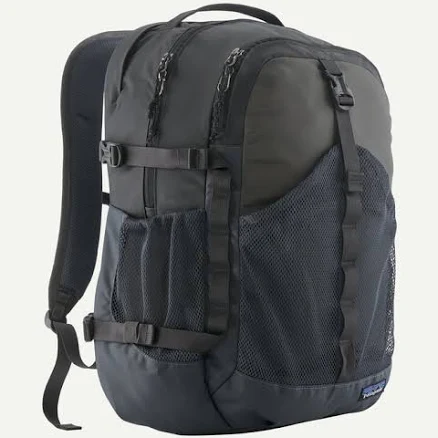
- Nylon/polyester blend with water-repellent coating (water-repellent coating) treatment
- The brand calls it PFAS-free, which we have not verified
- PFAS
3 hazards checked on this product, all on its full breakdown.
Find an alternative on Amazon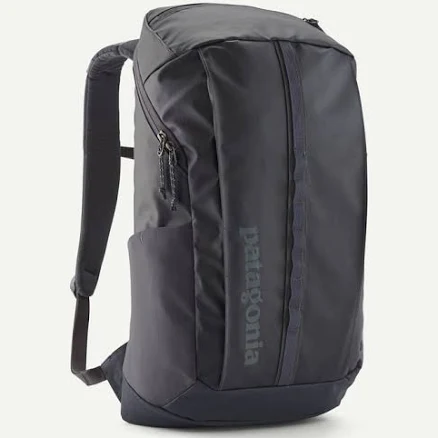
- nylon/polyester pack with water-repellent coating
- The brand calls it PFAS-free, which we have not verified
- PFAS
2 hazards checked on this product, all on its full breakdown.
Find an alternative on AmazonMore backpacks grades
How we score, every product runs through the same public 0-100 rubric based on materials, coatings, brand disclosure, lab findings, and recalls. See the full methodology → Spotted a mistake? Report an error.