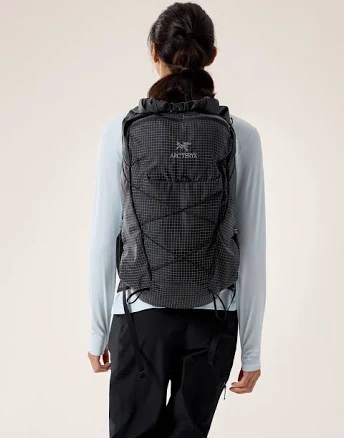
Arc'teryx Aerio 35 Backpack
Moderate uncertainty with no public PFAS transparency; consider caution if PFAS sensitivity matters.
This backpack uses nylon and polyester ripstop with an unspecified water-repellent coating typical of outdoor gear. Arc'teryx does not publicly disclose the chemical composition of its water-resistant treatments.
Still want this one anyway? Check the price on Amazon. We’d swap it.
Material
Nylon/polyester ripstop with water-repellent coating (unspecified)
Lab data
No public lab test
You may also be interested in
Top-graded picks in the categories readers replace first, every one scored on the same rubric.

- polypropylene filter housing, carbon/sediment cartridge
- We found no PFAS statement from the brand
- Bacterial growth in spent cartridges
3 hazards checked on this product, all on its full breakdown.

Aquasure
Premier Series 75 GPD Under Sink Reverse Osmosis Water Filtration System
- RO membrane, carbon filters, stainless steel housing
- We found no PFAS statement from the brand
- Bacterial and microbial growth in housing and filters
4 hazards checked on this product, all on its full breakdown.

Avocado
Vegan Mattress
- organic cotton, natural latex, coconut coir, recycled steel coils
- The brand calls it PFAS-free, which we have not verified
- Heavy metals
2 hazards checked on this product, all on its full breakdown.
What Arc'teryx Aerio 35 Backpack is made of, ingredients and materials
The Aerio 35 uses nylon and polyester ripstop fabrics, which are stable synthetic polymers that do not leach monomers under normal backpack use conditions. The water-repellent coating (water-repellent coating) coating is the chemical wildcard, Arc'teryx does not publicly disclose whether this uses C8/C6 PFAS, fluorocarbon-free alternatives, or another chemistry. Ripstop weaves are mechanically reinforced, reducing stress-point failure; the material itself poses no inherent toxicity risk during wear, but the water-repellent coating formulation's composition remains opaque.
What’s concerning
Category baseline
The starting point for this type of product, before anything specific to this product is counted.
No PFAS disclosure
No public statement from the brand about PFAS in this product.
Waterproof / stain-resistant treatment
Water-repellent coating treatments have historically used PFAS.
water-repellent coating degradation and chemical release
Arc'teryx does not disclose water-repellent coating formulation. If fluorinated (C8/C6 PFAS or C6 alternatives), normal use poses minimal risk, but heat, UV exposure, or repeated washing may accelerate coating breakdown and particle/vapor release over years of use. No testing data on this specific model is public.
Microplastic shedding from ripstop fabric
Nylon and polyester fabrics shed microscopic fibers during wear and washing, particularly at stress points and seams. This is not specific to Arc'teryx but inherent to synthetic textiles; shedding volume is low for a backpack used in dry conditions, higher after machine washing. Environmental impact is greater concern than direct user health.
What’s reassuring
Stitching and adhesive leachables
Arc'teryx uses industrial thread and seam-sealing adhesives typical of outdoor gear. No reports of harmful leaching or allergic reactions from stitching on this model. Polyester thread and urethane-based seam sealers are chemically stable under normal backpack use.
Flame retardants
No evidence that the Aerio 35 receives intentional flame retardant treatment. Nylon and polyester inherently have moderate flammability but are not regulated textiles requiring additive flame retardants in backpack applications.
Source, EPA ↗Heavy metals
Arc'teryx uses standard commercial dyeing processes for nylon and polyester. No recalls or testing findings indicate lead, cadmium, or other heavy metal contamination. Modern textile dyes are regulated in most markets where the brand sources; specific lot testing is not publicly available.
Source, FDA ↗How is this PFAS grade calculated?
The brand's record and disclosure
Arc'teryx is a subsidiary of Salomon/Amer Sports and markets itself as a premium outdoor/technical brand, but does not maintain a public chemical transparency policy or PFAS commitment statement comparable to some competitors (e.g., Patagonia's PFAS phase-out announcements). No major recalls or safety controversies are on record for this model. The brand's silence on water-repellent coating chemistry is noteworthy given that fluorinated water repellents have become a consumer and regulatory scrutiny point; lack of disclosure does not indicate presence, but it limits informed choice.
How it compares in its category
Mid-range hiking packs in this weight and volume class (30-40L) commonly use water-repellent coating-treated nylon. Brands offering greater chemical transparency include Patagonia (explicit PFAS-free water-repellent coating on many packs) and some ultralight specialists using PFC-free alternatives. Arc'teryx's lack of public disclosure puts it in a middle position, no known violations, but fewer assurances than leaders in sustainable sourcing. The 35L size and construction quality are competitive for the price tier.
If you buy it
Use the pack as intended for hiking and travel without concern for leaching or degradation under normal wear. Avoid prolonged heat exposure (do not leave sealed in direct sun or near heat sources), as synthetic fabrics can soften and water-repellent coating coatings can degrade, potentially releasing volatile compounds. Wash with cool water and mild soap when soiled; harsh detergents or hot water may accelerate coating breakdown. If PFAS exposure is a personal priority, contact Arc'teryx directly to request water-repellent coating formulation details before purchase, or choose a competitor with published fluorine-free certifications.
What is not known about PFAS in this product?
- Basis
- Model estimate, 45% confidence, not a lab result
- Lab test
- None on record for this exact product
- Brand statement
- Arc'teryx has made a specific claim
Formulations change between production runs, so check the current label. How we grade.
What are the PFAS-free alternatives to Arc'teryx Aerio 35 Backpack?
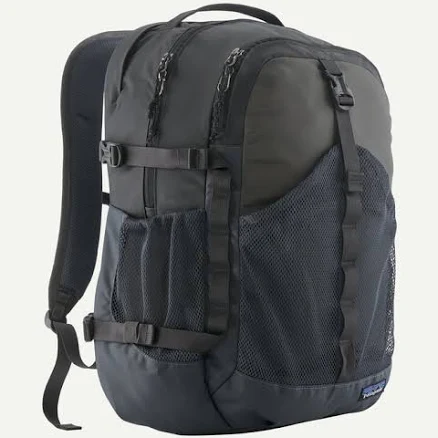
- Nylon/polyester blend with water-repellent coating (water-repellent coating) treatment
- The brand calls it PFAS-free, which we have not verified
- PFAS
3 hazards checked on this product, all on its full breakdown.
Find an alternative on Amazon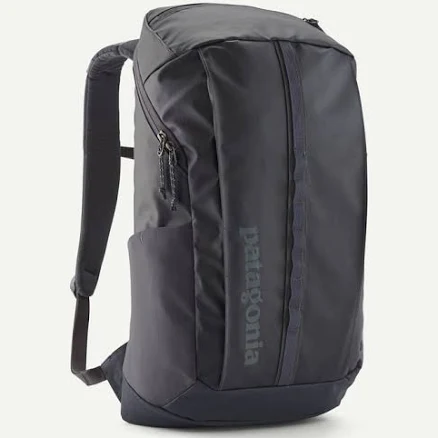
- nylon/polyester pack with water-repellent coating
- The brand calls it PFAS-free, which we have not verified
- PFAS
2 hazards checked on this product, all on its full breakdown.
Find an alternative on AmazonMore backpacks grades
How we score, every product runs through the same public 0-100 rubric based on materials, coatings, brand disclosure, lab findings, and recalls. See the full methodology → Spotted a mistake? Report an error.