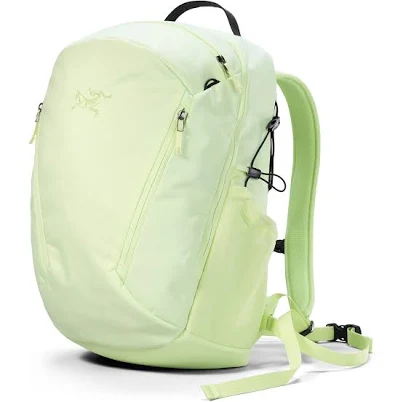
ARC'TERYX Mantis 26 Backpack
Moderate PFAS concern; durable waterproof backpacks typically use fluorochemical water-repellent coating treatments.
The Mantis 26 is a technical backpack with nylon 6.6 and a water-repellent coating whose type Arc'teryx does not specify. Many premium outdoor brands still use legacy fluorochemical DWRs without disclosing this choice.
Still want this one anyway? Check the price on Amazon. We’d swap it.
Material
Nylon 6.6 with water-repellent coating (type unspecified)
Lab data
No public lab test
You may also be interested in
Top-graded picks in the categories readers replace first, every one scored on the same rubric.

- polypropylene filter housing, carbon/sediment cartridge
- We found no PFAS statement from the brand
- Bacterial growth in spent cartridges
3 hazards checked on this product, all on its full breakdown.

Aquasure
Premier Series 75 GPD Under Sink Reverse Osmosis Water Filtration System
- RO membrane, carbon filters, stainless steel housing
- We found no PFAS statement from the brand
- Bacterial and microbial growth in housing and filters
4 hazards checked on this product, all on its full breakdown.

Avocado
Vegan Mattress
- organic cotton, natural latex, coconut coir, recycled steel coils
- The brand calls it PFAS-free, which we have not verified
- Heavy metals
2 hazards checked on this product, all on its full breakdown.
What ARC'TERYX Mantis 26 Backpack is made of, ingredients and materials
The Mantis 26 uses Nylon 6.6, a durable synthetic polymer that resists wear and tearing. Arc'teryx applies a water-repellent coating (water-repellent coating) finish to protect against moisture, but the specific coating chemistry is not publicly disclosed. Nylon 6.6 itself is stable and does not leach toxic compounds under normal use, but the water-repellent coating treatment is where chemical risk concentrates in waterproof gear.
What’s concerning
Category baseline
The starting point for this type of product, before anything specific to this product is counted.
No PFAS disclosure
No public statement from the brand about PFAS in this product.
Waterproof / stain-resistant treatment
Water-repellent coating treatments have historically used PFAS.
PFAS
Arc'teryx does not disclose water-repellent coating type; standard industry practice for durable backpacks involves long-chain or short-chain fluorochemical treatments. No direct skin contact is expected during normal use, but coating particles may shed during washing or heavy wear.
Source, ATSDR ↗Nylon degradation and microfiber shedding
Heavy washing or abrasion (especially inside pockets) can release microscopic nylon fibers. The risk is low for a backpack (minimal water agitation compared to washing machines), but existing in environments with nylon wear.
VOC off-gassing from adhesives or coatings
New backpacks may emit weak odors from seam sealants or water-repellent coating application; airing for 24-48 hours before use reduces any volatile compounds. No health incidents are recorded for Arc'teryx packs.
What’s reassuring
Azo dyes in colored nylon
No specific testing or incidents recorded for Arc'teryx nylon colorants. Premium nylon suppliers typically avoid restricted azo dyes, but Arc'teryx does not certify compliance with bluesign or OEKO-TEX standards.
Heavy metals
Zippers and buckles on the Mantis 26 are standard aluminum or zinc alloy; no lead or cadmium content is documented. Risk is minimal for an outdoor pack with no skin-contact dyes.
Source, FDA ↗How is this PFAS grade calculated?
The brand's record and disclosure
Arc'teryx is a premium outdoor brand owned by Salomon/Amer Sports, known for technical quality but notably silent on PFAS and chemical disclosures. The company does not publish detailed material safety data sheets or certifications (e.g., bluesign, OEKO-TEX) for most products. No major recalls or documented health incidents are associated with this backpack model.
How it compares in its category
Most durable waterproof backpacks in this price range use fluorochemical water-repellent coating coatings; the Mantis 26 is typical rather than exceptional in this regard. Some competitors (e.g., Patagonia, Osprey higher-end lines) have begun disclosing PFAS-free or reduced-fluorine alternatives, making Arc'teryx's silence a relative weakness. The backpack's design and durability are considered industry-standard for the category.
If you buy it
Nylon itself tolerates normal heat (avoid prolonged direct sunlight or storage near heat sources, as water-repellent coating coatings can degrade). Wash with cool water and mild soap; avoid hot water and aggressive detergents that may strip the water-repellent coating finish. Expect the water-repellent coating to diminish over 2-3 years of heavy use, at which point reapplication is optional for utility. Store in a cool, dry place away from direct sunlight to slow degradation.
What is not known about PFAS in this product?
- Basis
- Model estimate, 45% confidence, not a lab result
- Lab test
- None on record for this exact product
- Brand statement
- Arc'teryx has made a specific claim
Formulations change between production runs, so check the current label. How we grade.
What are the PFAS-free alternatives to ARC'TERYX Mantis 26 Backpack?
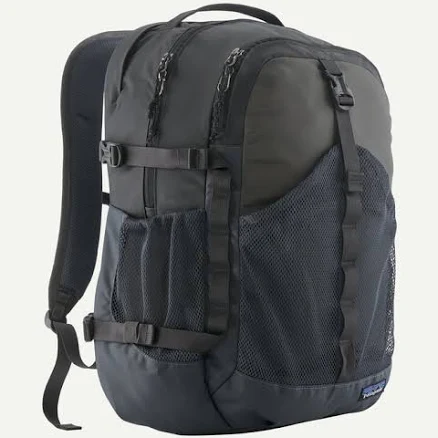
- Nylon/polyester blend with water-repellent coating (water-repellent coating) treatment
- The brand calls it PFAS-free, which we have not verified
- PFAS
3 hazards checked on this product, all on its full breakdown.
Find an alternative on Amazon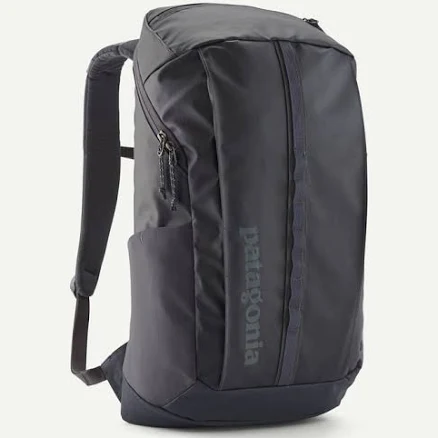
- nylon/polyester pack with water-repellent coating
- The brand calls it PFAS-free, which we have not verified
- PFAS
2 hazards checked on this product, all on its full breakdown.
Find an alternative on AmazonMore backpacks grades
How we score, every product runs through the same public 0-100 rubric based on materials, coatings, brand disclosure, lab findings, and recalls. See the full methodology → Spotted a mistake? Report an error.