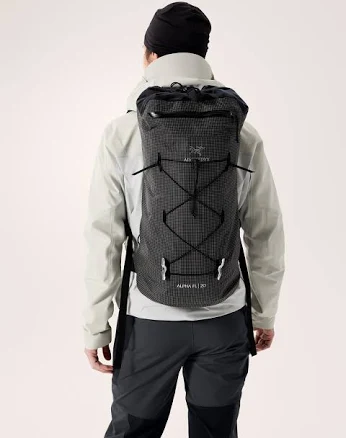
Arc'teryx Alpha FL 20 Backpack
Moderate PFAS concern due to water-repellent coating; Arc'teryx does not disclose treatment chemistry.
The Alpha FL 20 uses a water-resistant nylon shell with an unspecified water-repellent coating finish. Arc'teryx has not publicly disclosed whether the coating uses PFAS or PFAS-free chemistry.
Still want this one anyway? Check the price on Amazon. We’d swap it.
Material
Nylon with water-repellent coating water-repellent treatment (type unspecified)
Lab data
No public lab test
You may also be interested in
Top-graded picks in the categories readers replace first, every one scored on the same rubric.

- polypropylene filter housing, carbon/sediment cartridge
- We found no PFAS statement from the brand
- Bacterial growth in spent cartridges
3 hazards checked on this product, all on its full breakdown.

Aquasure
Premier Series 75 GPD Under Sink Reverse Osmosis Water Filtration System
- RO membrane, carbon filters, stainless steel housing
- We found no PFAS statement from the brand
- Bacterial and microbial growth in housing and filters
4 hazards checked on this product, all on its full breakdown.

Avocado
Vegan Mattress
- organic cotton, natural latex, coconut coir, recycled steel coils
- The brand calls it PFAS-free, which we have not verified
- Heavy metals
2 hazards checked on this product, all on its full breakdown.
What Arc'teryx Alpha FL 20 Backpack is made of, ingredients and materials
The Alpha FL 20 is constructed from nylon fabric with a water-repellent coating (water-repellent coating) finish applied to the exterior. water-repellent coating coatings are the primary source of PFAS contamination in technical backpacks; the specific chemistry (Teflon-type coating-based, fluorocarbon-free alternatives, or hybrid) is not disclosed by Arc'teryx. The nylon substrate itself poses no established chemical hazard, but repeated washing degrades the water-repellent coating layer and may release treatment residues into water or soil over time.
What’s concerning
Category baseline
The starting point for this type of product, before anything specific to this product is counted.
No PFAS disclosure
No public statement from the brand about PFAS in this product.
Waterproof / stain-resistant treatment
Water-repellent coating treatments have historically used PFAS.
PFAS
Arc'teryx does not disclose water-repellent coating chemistry; nylon backpacks almost universally rely on fluorinated water-repellent coating treatments that contain long-chain or short-chain PFAS compounds. Leaching risk increases with age, washing, and wear.
Source, ATSDR ↗Nylon degradation and microplastic shedding
Nylon fabric sheds microfibers during use and washing, particularly as the water-repellent coating wears away and the base fabric becomes rougher. No Arc'teryx-specific data exists, but this is a known issue with synthetic backpack materials.
VOC off-gassing
New backpacks may emit low levels of volatile organic compounds from the nylon, adhesives, and water-repellent coating finish during initial use and storage. Airing out the pack in ventilation before heavy use can reduce this; no Arc'teryx-specific off-gassing data is available.
What’s reassuring
Heavy metals
Arc'teryx uses quality dye suppliers and no recalls or reports of heavy metal contamination in this product exist. Nylon dyeing does not inherently introduce lead or cadmium at consumer-relevant levels.
Source, FDA ↗Formaldehyde / VOCs
Nylon backpack materials are not treated with formaldehyde resins or antimony catalysts in typical manufacturing. Arc'teryx does not label antimony content, which is standard industry practice for nylon goods.
Source, ATSDR ↗How is this PFAS grade calculated?
The brand's record and disclosure
Arc'teryx is known for technical quality and durability but does not publicly disclose water-repellent coating chemistry, ingredient lists, or PFAS testing results for any backpack line. The brand has no public commitment to PFAS phase-out or transparency equivalent to some outdoor competitors (e.g., Patagonia's detailed water-repellent coating sourcing). Arc'teryx has not faced significant chemical safety recalls or public controversies specific to this product.
How it compares in its category
Most technical backpacks in this weight/feature class use water-repellent coating treatments; Arc'teryx sits at the premium end for durability and design but offers no material advantage on chemical transparency. Competitors like Patagonia and The North Face increasingly disclose water-repellent coating type and PFAS content; Arc'teryx remains opaque. For buyers prioritizing low-PFAS options, brands offering water-repellent coating without intentionally added PFAS compounds represent a lower-concern choice.
If you buy it
Minimize water-repellent coating degradation and leaching by dry-cleaning or spot-cleaning the pack rather than machine washing; if washing is necessary, use cool water and air-dry. Avoid high heat (dryers, direct sun) which can accelerate coating breakdown. Expect water-repellent coating effectiveness to decline after 2-3 years of heavy use; re-treatment products are available but introduce additional chemical exposure. Dispose of the pack responsibly at end of life to limit PFAS runoff.
What is not known about PFAS in this product?
- Basis
- Model estimate, 52% confidence, not a lab result
- Lab test
- None on record for this exact product
- Brand statement
- Arc'teryx has made a specific claim
Formulations change between production runs, so check the current label. How we grade.
What are the PFAS-free alternatives to Arc'teryx Alpha FL 20 Backpack?
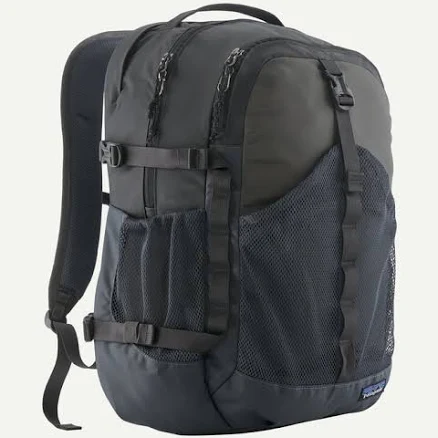
- Nylon/polyester blend with water-repellent coating (water-repellent coating) treatment
- The brand calls it PFAS-free, which we have not verified
- PFAS
3 hazards checked on this product, all on its full breakdown.
Find an alternative on Amazon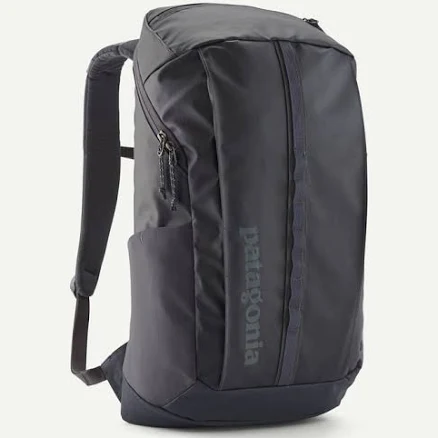
- nylon/polyester pack with water-repellent coating
- The brand calls it PFAS-free, which we have not verified
- PFAS
2 hazards checked on this product, all on its full breakdown.
Find an alternative on AmazonMore backpacks grades
How we score, every product runs through the same public 0-100 rubric based on materials, coatings, brand disclosure, lab findings, and recalls. See the full methodology → Spotted a mistake? Report an error.