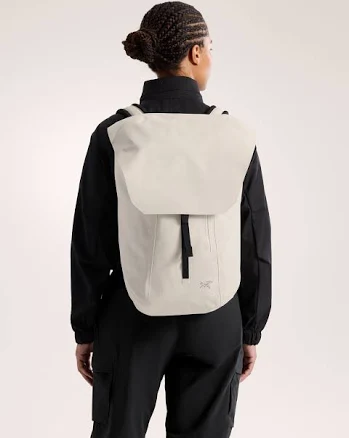
Arc'teryx Granville 25 Backpack
Arc'teryx does not disclose water-repellent coating chemistry; waterproof backpacks commonly use PFAS-based treatments.
Arc'teryx uses nylon with water-repellent coatings on this backpack, but the brand does not disclose whether the water-repellent coating treatment contains PFAS chemicals. Most outdoor backpack manufacturers still rely on traditional fluorocarbon-based coatings for durability.
Still want this one anyway? Check the price on Amazon. We’d swap it.
Material
Nylon with water-repellent coating (water-repellent coating) coating
Lab data
No public lab test
You may also be interested in
Top-graded picks in the categories readers replace first, every one scored on the same rubric.

- polypropylene filter housing, carbon/sediment cartridge
- We found no PFAS statement from the brand
- Bacterial growth in spent cartridges
3 hazards checked on this product, all on its full breakdown.

Aquasure
Premier Series 75 GPD Under Sink Reverse Osmosis Water Filtration System
- RO membrane, carbon filters, stainless steel housing
- We found no PFAS statement from the brand
- Bacterial and microbial growth in housing and filters
4 hazards checked on this product, all on its full breakdown.

Avocado
Vegan Mattress
- organic cotton, natural latex, coconut coir, recycled steel coils
- The brand calls it PFAS-free, which we have not verified
- Heavy metals
2 hazards checked on this product, all on its full breakdown.
What Arc'teryx Granville 25 Backpack is made of, ingredients and materials
The Granville 25 uses nylon fabric with a water-repellent coating (water-repellent coating) coating applied to resist moisture. water-repellent coating treatments historically relied on PFOA/PFOS chemistry, though newer non-fluorinated alternatives exist; Arc'teryx does not publicly specify which type is used in this model. Nylon itself is stable under normal use, but the coating composition determines whether PFAS or other chemicals are present in the material touching your body and gear.
What’s concerning
Category baseline
The starting point for this type of product, before anything specific to this product is counted.
No PFAS disclosure
No public statement from the brand about PFAS in this product.
Waterproof / stain-resistant treatment
Water-repellent coating treatments have historically used PFAS.
PFAS
Arc'teryx does not disclose whether this backpack's water-repellent coating contains PFAS or PFAS alternatives. Nylon with fluorinated water-repellent coating is a known source of PFAS exposure, though not classified as a direct ingestion or dermal hazard for casual contact.
Source, ATSDR ↗What’s reassuring
Coating degradation and particle shedding
No reported incidents of coating flaking or shedding in the Granville 25. However, all water-repellent coating coatings degrade with washing and abrasion; shed microparticles could carry residual coating chemicals, though quantified risk is undocumented for this model.
Formaldehyde / VOCs
Arc'teryx nylon typically meets standard textile safety limits, and no formaldehyde or azo dye violations are on record. Nylon production itself does not inherently introduce these chemicals at consumer-hazardous levels in finished goods.
Source, ATSDR ↗Heavy metals
No documented issues with this backpack's zippers, buckles, or metal frame. Arc'teryx uses standard industrial hardware that is not known to leach cadmium or lead under normal conditions.
Source, FDA ↗VOC off-gassing from adhesives or solvents
No smell complaints or VOC reports are on public record for the Granville 25. Nylon and synthetic coatings may emit minor volatile organics during initial curing, but this typically dissipates within days of opening.
How is this PFAS grade calculated?
The brand's record and disclosure
Arc'teryx has not published detailed chemical composition or water-repellent coating supplier information for consumer products, contrasting with some outdoor brands that now disclose fluorine-free or PFAS-free certifications. The company has no known major recalls or contamination incidents on record for this backpack model. Arc'teryx maintains silence on PFAS phase-out timelines, leaving buyers unable to verify whether this product uses legacy or modern treatments.
How it compares in its category
The Granville 25 sits in the premium segment where water-repellent coating is standard. Competitors like Patagonia and Gregory have moved toward PFAS-free marketing; Arc'teryx's lack of transparency puts it in the middle of the pack regarding chemical disclosure. Most commercial backpacks still use PFAS-based water-repellent coating, making this backpack typical rather than exceptional in its hazard profile.
If you buy it
Avoid machine washing; hand-clean with mild soap and cool water to prevent coating degradation and potential chemical leaching from worn areas. water-repellent coating coatings naturally diminish over 2-3 years with heavy use; replacement or professional re-treatment is possible but Arc'teryx does not advertise this service. Store in a cool, dry place away from direct sunlight. If chemical transparency matters to you, contact Arc'teryx directly to request water-repellent coating composition data before purchase.
What is not known about PFAS in this product?
- Basis
- Model estimate, 45% confidence, not a lab result
- Lab test
- None on record for this exact product
- Brand statement
- Arc'teryx has made a specific claim
Formulations change between production runs, so check the current label. How we grade.
What are the PFAS-free alternatives to Arc'teryx Granville 25 Backpack?
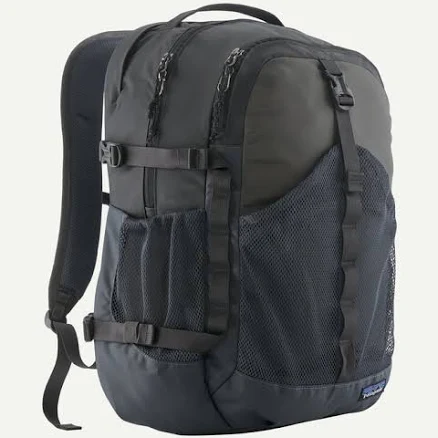
- Nylon/polyester blend with water-repellent coating (water-repellent coating) treatment
- The brand calls it PFAS-free, which we have not verified
- PFAS
3 hazards checked on this product, all on its full breakdown.
Find an alternative on Amazon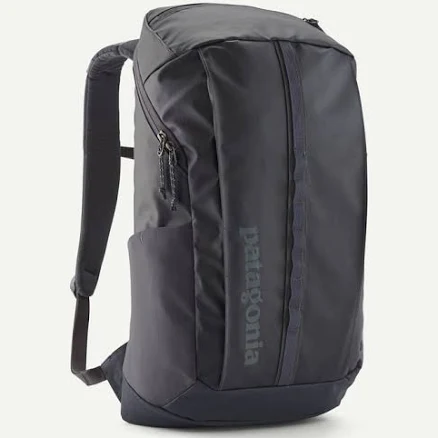
- nylon/polyester pack with water-repellent coating
- The brand calls it PFAS-free, which we have not verified
- PFAS
2 hazards checked on this product, all on its full breakdown.
Find an alternative on AmazonMore backpacks grades
How we score, every product runs through the same public 0-100 rubric based on materials, coatings, brand disclosure, lab findings, and recalls. See the full methodology → Spotted a mistake? Report an error.