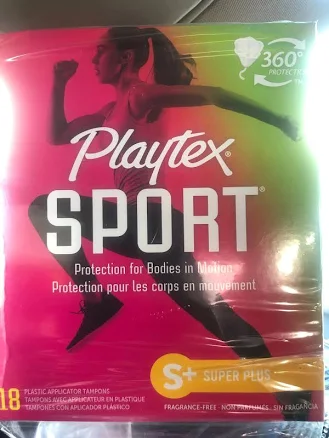
Playtex Sport Super+5
Lower concern. No known PFAS-prone materials in tampons.
Playtex Sport uses standard rayon and plastic components with no disclosed waterproofing or stain-resistant coatings. No public PFAS testing available, but tampons rarely require PFAS-based treatments.
We flunk more products than we pass. This one earned its grade. How we grade
Material
Rayon/cellulose absorbent core, plastic applicator
Lab data
No public lab test
You may also be interested in
Top-graded picks in the categories readers replace first, every one scored on the same rubric.

- polypropylene filter housing, carbon/sediment cartridge
- We found no PFAS statement from the brand
- Bacterial growth in spent cartridges
3 hazards checked on this product, all on its full breakdown.

Aquasure
Premier Series 75 GPD Under Sink Reverse Osmosis Water Filtration System
- RO membrane, carbon filters, stainless steel housing
- We found no PFAS statement from the brand
- Bacterial and microbial growth in housing and filters
4 hazards checked on this product, all on its full breakdown.

Avocado
Vegan Mattress
- organic cotton, natural latex, coconut coir, recycled steel coils
- The brand calls it PFAS-free, which we have not verified
- Heavy metals
2 hazards checked on this product, all on its full breakdown.
What Playtex Sport Super+5 is made of, ingredients and materials
Playtex Sport Super+5 uses a rayon/cellulose absorbent core derived from wood pulp, which is chemically processed but does not inherently concentrate heavy metals or toxic residues in the way some synthetic polymers do. The plastic applicator (likely polystyrene or polyethylene) is a single-use component that does not contact the absorbing material under normal use and poses minimal leaching risk during the brief insertion window. Rayon itself has a long safety history in period care and is not associated with reported reproductive or systemic toxicity at typical use levels.
What’s concerning
Category baseline
The starting point for this type of product, before anything specific to this product is counted.
No PFAS disclosure
No public statement from the brand about PFAS in this product.
Allergens and irritants in rayon or cellulose additives
Rayon itself is hypoallergenic, but finishing agents, antimicrobials, or fragrances added to improve absorbency or odor control are not fully disclosed. Individual sensitivity is rare but documented in case reports; no batch-level testing results are publicly available.
Bacterial overgrowth and toxic shock syndrome (TSS) risk
TSS is associated with prolonged tampon use and high absorbency, not material composition. Super+ absorbency increases risk if worn beyond 4-8 hours; this is a use behavior hazard, not a product defect, but material choice (rayon vs. cotton) does not significantly alter risk.
Fragrance or odor-control chemical sensitivity
Sport variants often include odor-control additives not itemized on packaging. Fragrance compounds and antimicrobials can trigger contact dermatitis in sensitive individuals; unscented alternatives may pose lower risk if you have known sensitivities.
What’s reassuring
Base material not linked to PFAS
The main material recorded for this product is not one associated with PFAS.
Dioxins and furans from legacy chlorine bleaching
Modern rayon production has moved away from high-chlorine bleaching; no recent recalls or detected contamination in commercial tampons. Residual risk is considered negligible in current manufacturing.
Plastic applicator leachables (styrene, oligomers)
Single-use plastic applicators pose minimal contact time and low chemical leaching risk under body temperature. No health complaints or regulatory findings specific to Playtex applicators are on record.
How is this PFAS grade calculated?
The brand's record and disclosure
Playtex has not published extensive ingredient disclosure or third-party safety certifications (e.g., FDA Device Master Record details, allergen testing summaries) in the public domain, which limits transparency compared to some competitors. No major recalls or health complaints specific to this product line are established in regulatory databases. The brand's silence on PFAS is consistent with the industry norm for period care, where PFAS use is not a documented concern and many manufacturers do not proactively address it.
How it compares in its category
Rayon-core tampons like this are mid-range in safety profile, rayon is less controversial than older chlorine-bleached viscose (which raised dioxin concerns decades ago, now largely addressed), but less documented than 100% organic cotton alternatives. Plastic applicators are standard and pose fewer documented risks than cardboard; the trade-off is environmental waste rather than direct health hazard. Sport variants typically add no additional chemical treatments beyond standard antimicrobial or odor-control additives, which are minimally studied but rare sources of complaint.
If you buy it
Use as directed and replace every 4-8 hours to minimize any hypothetical bacterial overgrowth risk (standard menstrual management practice). Applicator disposal should follow local guidelines; do not flush plastic applicators. If you experience allergic irritation, rash, or unusual odor, discontinue and consult a physician; individual sensitivity to rayon or additives is possible but uncommon. Store in a cool, dry place to prevent moisture ingress and mold.
What is not known about PFAS in this product?
- Basis
- Model estimate, 72% confidence, not a lab result
- Lab test
- None on record for this exact product
- Brand statement
- Playtex has made a specific claim
Formulations change between production runs, so check the current label. How we grade.
What are the PFAS-free alternatives to Playtex Sport Super+5?
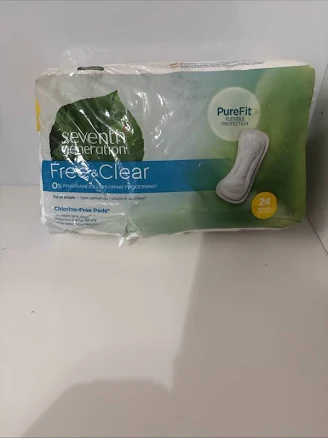
- organic cotton, wood pulp
- The brand calls it PFAS-free, which we have not verified
- Fragrance allergen content
More period pads grades
How we score, every product runs through the same public 0-100 rubric based on materials, coatings, brand disclosure, lab findings, and recalls. See the full methodology → Spotted a mistake? Report an error.