Profoot · Synthetic Athletic Insoles & Orthotics
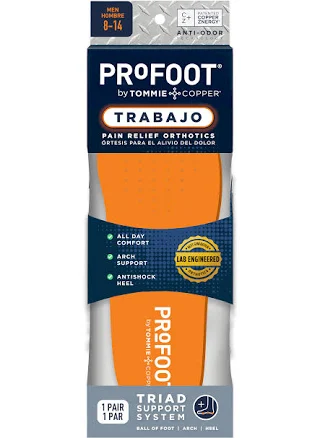
Profoot Full Length Triad Work Orthotic Insoles
Lower risk since typical foam orthotic lacks known PFAS drivers.
Profoot Work Orthotics use standard foam and gel cushioning without waterproof coatings or nonstick treatments that commonly carry PFAS. No public PFAS disclosures appear, and materials seem routine.
Still want this one anyway? Check the price on Amazon. We’d swap it.
Material
foam, gel, textile layers; typical orthotic construction
Brand disclosure
Brand is silent on PFAS
Lab data
No public lab test
You may also be interested in
Top-graded picks in the categories readers replace first, every one scored on the same rubric.

Aqua Pure
3M Aqua-Pure AP802B Whole House Filter Housing
- polypropylene filter housing, carbon/sediment cartridge
- We found no PFAS statement from the brand
- Bacterial growth in spent cartridges
3 hazards checked on this product. See all of them.

Aquasure
Premier Series 75 GPD Under Sink Reverse Osmosis Water Filtration System
- RO membrane, carbon filters, stainless steel housing
- We found no PFAS statement from the brand
- Bacterial and microbial growth in housing and filters
4 hazards checked on this product. See all of them.

Avocado
Vegan Mattress
- organic cotton, natural latex, coconut coir, recycled steel coils
- The brand calls it PFAS-free, which we have not verified
- Heavy metals
2 hazards checked on this product. See all of them.
What Profoot Full Length Triad Work Orthotic is made of, ingredients and materials
Profoot Full Length Triad insoles are constructed from layered foam and gel materials with textile covering, a standard orthotic composition. Foam cushioning (typically EVA or polyurethane) and gel support layers do not inherently release toxic compounds during normal wear at body temperature. The textile layer (likely polyester or cotton blend) sits directly against skin and sock, meaning formaldehyde resin or azo dye exposure would occur through prolonged contact, though orthotic insoles receive less direct chemical exposure than apparel worn directly on skin.
What’s concerning
Category baseline
The starting point for this type of product, before anything specific to this product is counted.
No PFAS disclosure
No public statement from the brand about PFAS in this product.
Formaldehyde / VOCs
Textile layer may contain formaldehyde-release finishes (common in budget foam cushion products for wrinkle resistance and water resistance). Exposure is limited by intermittent skin contact through socks and lower surface area compared to apparel, but skin-sensitive individuals may experience contact dermatitis.
Source, ATSDR ↗Azo dyes in synthetic textile
If textile covering is polyester, azo dyes are commonly used; some azo dyes can release carcinogenic amines under friction or prolonged sweat exposure. Risk is low for insoles worn inside closed footwear with moisture buffering from socks, but hyperhidrotic users with skin breakdown may have slightly elevated skin uptake.
Foam off-gassing (VOC)
Polyurethane or EVA foam may emit low levels of volatile organic compounds when new, particularly if stored in warm conditions. New insoles may have a chemical smell that typically dissipates within days to weeks of airing; risk of systemic toxicity is negligible at insole doses.
Microplastics
As foam insoles compress and fragment over 6-12 months of wear, small particles may shed into socks and be inhaled or ingested incidentally. This is a mechanical wear concern rather than a chemical toxicity concern, but replacement on schedule minimizes accumulation.
Source, EPA ↗What’s reassuring
Base material not linked to PFAS
The main material recorded for this product is not one associated with PFAS.
Heavy metals
No documented heavy metal contamination in Profoot insole textiles; however, the brand does not disclose dye sourcing or testing, so independent verification is unavailable. Risk is considered low for typical consumer use.
Source, FDA ↗The full breakdown
The brand's record and disclosure
Profoot is a privately held orthotics brand with no major product safety recalls documented in FDA or CPSC databases. The company does not publicly disclose material certifications, chemical restrictions, or third-party testing results. No established safety controversies or regulatory actions are on record, but the brand's silence on material sourcing and chemical standards limits independent verification of hazard controls.
How it compares in its category
Profoot insoles occupy the mid-market retail orthotic segment alongside brands like Dr. Scholl's and Superfeet, all using similar foam/gel/textile construction. Higher-priced medical-grade orthotics sometimes carry certifications (e.g., materials tested for skin contact toxins) that Profoot does not advertise. Budget alternatives may use lower-grade foam with higher off-gassing potential, while premium brands often document material sourcing more transparently.
If you buy it
Wear insoles with socks to minimize skin contact and reduce any transient irritation from textile finishes or dyes. Replace insoles every 6-12 months as foam degrades and loses cushioning support; degraded foam can compress unevenly and reduce effectiveness. Store in a cool, dry place away from direct heat or prolonged sunlight, which can accelerate foam breakdown. If skin irritation, itching, or discomfort develops within the first few weeks, discontinue use and consult a podiatrist.
What we don’t know
- Basis
- Model estimate, 72% confidence, not a lab result
- Lab test
- None on record for this exact product
- Brand statement
- Profoot has made none
Formulations change between production runs, so check the current label. How we grade.
More synthetic athletic insoles & orthotics grades
How we score, every product runs through the same public 0-100 rubric based on materials, coatings, brand disclosure, lab findings, and recalls. See the full methodology → Spotted a mistake? Report an error.