Profoot · Synthetic Athletic Insoles & Orthotics
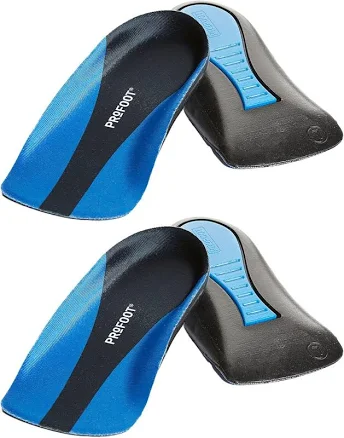
PROFOOT Orthotic Insoles for Plantar Fasciitis & Heel Pain
Lower PFAS concern; standard cushioned insole without obvious high-risk coatings.
Profoot orthotic insoles use typical foam and gel materials without disclosed waterproof or stain-resistant treatments. No brand PFAS statements found, but product design poses lower inherent risk than coated footwear.
Still want this one anyway? Check the price on Amazon. We’d swap it.
Material
Foam cushioning, gel insole overlay, fabric cover
Brand disclosure
Brand is silent on PFAS
Lab data
No public lab test
You may also be interested in
Top-graded picks in the categories readers replace first, every one scored on the same rubric.

Aqua Pure
3M Aqua-Pure AP802B Whole House Filter Housing
- polypropylene filter housing, carbon/sediment cartridge
- We found no PFAS statement from the brand
- Bacterial growth in spent cartridges
3 hazards checked on this product. See all of them.

Aquasure
Premier Series 75 GPD Under Sink Reverse Osmosis Water Filtration System
- RO membrane, carbon filters, stainless steel housing
- We found no PFAS statement from the brand
- Bacterial and microbial growth in housing and filters
4 hazards checked on this product. See all of them.

Avocado
Vegan Mattress
- organic cotton, natural latex, coconut coir, recycled steel coils
- The brand calls it PFAS-free, which we have not verified
- Heavy metals
2 hazards checked on this product. See all of them.
What PROFOOT Orthotic Insoles for Plantar is made of, ingredients and materials
Profoot orthotic insoles combine EVA or polyurethane foam cushioning with a gel overlay (typically silicone or polyurethane-based) and a fabric cover. The foam provides shock absorption and arch support; the gel layer conforms to heel pressure points. None of these materials are inherently hazardous at normal body contact temperatures. The fabric cover is the primary skin-contact element and is the main point where formaldehyde resins or azo dyes could theoretically be present, though insole fabrics are typically not high-risk for either.
What’s concerning
Category baseline
The starting point for this type of product, before anything specific to this product is counted.
No PFAS disclosure
No public statement from the brand about PFAS in this product.
Foam or gel degradation and microplastic shedding
Extended use causes EVA or polyurethane foam to crack and shed tiny particles; these can enter socks and potentially be inhaled or ingested in trace amounts. Risk is low but real; replacement annually mitigates this.
Skin irritation from fabric finish or adhesives
The fabric cover is glued to the foam base; contact adhesives or fabric treatments could trigger localized dermatitis in sensitive individuals. Profoot does not disclose adhesive type; risk is low but individual sensitivity varies.
What’s reassuring
Base material not linked to PFAS
The main material recorded for this product is not one associated with PFAS.
Formaldehyde / VOCs
Insole fabric covers are not typically treated with formaldehyde-releasing finishes (which are more common in apparel and textiles requiring wrinkle-resistance or antimicrobial properties). No formaldehyde contamination has been reported for Profoot insoles.
Source, ATSDR ↗Azo dyes in fabric cover
Azo dyes (potential allergen and carcinogen precursors) are regulated in many jurisdictions and are uncommon in simple insole fabrics. No documented incidents or warnings exist for Profoot products in this regard.
Heavy metals
If the gel overlay is colored, it may contain pigments; however, gel-to-skin contact is indirect (through shoe interior) and brief, limiting absorption risk. No heavy metal contamination has been reported for Profoot gels.
Source, FDA ↗The full breakdown
The brand's record and disclosure
Profoot is a widely available consumer foot-care brand owned by Alva-Amco Pharmacal Companies. The brand has not published material safety data sheets, certifications (such as OEKO-TEX or GOTS), or formal chemical disclosures for this product line. No major recalls or safety controversies have been identified in public records for Profoot orthotic insoles. The brand's silence on chemical composition is typical for mid-market foot-care products but limits independent verification of hazard controls.
How it compares in its category
Orthotic insoles as a category carry minimal chemical hazard compared to apparel or cosmetics because they contact skin briefly and intermittently (inside shoes). Profoot's foam-and-gel design is standard; competitors like Superfeet and Dr. Scholl's use similar materials. Products with explicit dermatological testing or third-party certifications (e.g., hypoallergenic claims) are slightly lower-risk alternatives, but Profoot insoles sit in the mainstream risk band for this category. Most hazards in insoles relate to durability and fit rather than chemical leaching.
If you buy it
Replace insoles annually or when cushioning visibly compresses; degraded foam can lose arch support and increase foot strain. Do not expose insoles to heat above 120F (wash in cool water only; air dry). Check the cover fabric for any visible deterioration; if peeling or cracking, discard and replace to avoid ingestion of foam fragments. Discontinue use if you develop unexplained skin irritation; this could indicate a reaction to fabric dyes or finishes (rare but possible).
What we don’t know
- Basis
- Model estimate, 72% confidence, not a lab result
- Lab test
- None on record for this exact product
- Brand statement
- Profoot has made none
Formulations change between production runs, so check the current label. How we grade.
More synthetic athletic insoles & orthotics grades
How we score, every product runs through the same public 0-100 rubric based on materials, coatings, brand disclosure, lab findings, and recalls. See the full methodology → Spotted a mistake? Report an error.