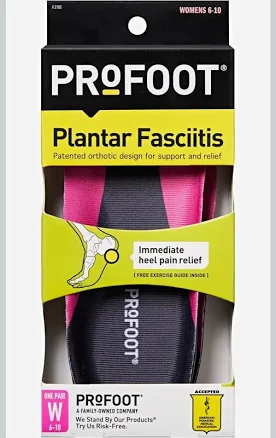
Profoot · Synthetic Athletic Insoles & Orthotics
Profoot Plantar Fasciitis Insoles for Women
Lower PFAS concern; typical insole materials lack PFAS drivers.
Profoot uses foam and textile construction without obvious PFAS-linked water resistance or stain treatments. No manufacturer disclosure on PFAS exists.
Still want this one anyway? Check the price on Amazon. We’d swap it.
Material
foam cushioning, textile cover
Brand disclosure
Brand is silent on PFAS
Lab data
No public lab test
You may also be interested in
Top-graded picks in the categories readers replace first, every one scored on the same rubric.

Aqua Pure
3M Aqua-Pure AP802B Whole House Filter Housing
- polypropylene filter housing, carbon/sediment cartridge
- We found no PFAS statement from the brand
- Bacterial growth in spent cartridges
3 hazards checked on this product. See all of them.

Aquasure
Premier Series 75 GPD Under Sink Reverse Osmosis Water Filtration System
- RO membrane, carbon filters, stainless steel housing
- We found no PFAS statement from the brand
- Bacterial and microbial growth in housing and filters
4 hazards checked on this product. See all of them.

Avocado
Vegan Mattress
- organic cotton, natural latex, coconut coir, recycled steel coils
- The brand calls it PFAS-free, which we have not verified
- Heavy metals
2 hazards checked on this product. See all of them.
What Profoot Plantar Fasciitis Insoles is made of, ingredients and materials
Profoot Plantar Fasciitis Insoles use EVA (ethylene-vinyl acetate) foam cushioning with a textile cover, likely polyester or cotton blend. EVA foam is a thermoplastic material chosen for shock absorption and arch support in podiatric devices. The textile cover is a minor component but can be a vector for dyes and finishes. Neither material class is inherently hazardous at typical indoor foot temperatures, though degradation and off-gassing are theoretically possible under extreme heat or moisture exposure.
What’s concerning
Category baseline
The starting point for this type of product, before anything specific to this product is counted.
No PFAS disclosure
No public statement from the brand about PFAS in this product.
Azo dyes in textile cover
Polyester or cotton textile covers may contain azo dyes that can release aromatic amines under moisture or sweat. Foot contact and humidity create a plausible exposure pathway, though systemic absorption through skin is low. No specific testing on this product is on record.
Formaldehyde / VOCs
Budget textile covers sometimes use formaldehyde-based resin coatings for wrinkle resistance or dimensional stability. Direct foot contact and warm, humid foot environment may promote off-gassing. Profoot does not disclose finishing treatments for this product.
Source, ATSDR ↗EVA foam microparticles with wear
EVA foam degrades and sheds fine particles over months of use, especially under compression. Inhalation risk is minimal during normal wear; risk is primarily dermal contact and odor. Replacement at first signs of visible crumbling reduces exposure.
Antimony in polyester cover
If the textile cover is polyester, antimony oxide may have been used as a catalyst in polyester synthesis. Dermal leaching from insole textiles under foot sweat and body heat is theoretically possible but is not established as a health concern at typical use levels. Profoot does not disclose polyester sourcing or antimony content.
What’s reassuring
Base material not linked to PFAS
The main material recorded for this product is not one associated with PFAS.
Heavy metals
No recalls or testing data implicating lead, cadmium, or other metals in Profoot insole textiles. Risk is inherent to synthetic dye manufacturing but is not product-specific and cannot be verified without independent lab analysis.
Source, FDA ↗The full breakdown
The brand's record and disclosure
Profoot is a private-label footwear accessory brand with no major product recalls or safety violations on record. The company does not publish detailed material safety data sheets or chemical certifications for this product line. No formal stance on heavy metals, flame retardants, or formaldehyde use is publicly documented. Silence on chemical transparency is typical for budget insole brands but limits independent verification of supply-chain controls.
How it compares in its category
EVA foam insoles are the industry standard for over-the-counter plantar fasciitis support and are generally considered low-chemical-risk compared to prescription orthotics or memory-foam alternatives. Most competitors (Superfeet, Dr. Scholl's, Spenco) operate under similar material profiles with equally limited public disclosure. Profoot's price point suggests cost-driven manufacturing but does not necessarily correlate with higher chemical hazard versus mid-range brands.
If you buy it
Inspect the insole for obvious wear, delamination, or odor before use; discard if foam tears or cover separates. Wash textile cover gently with cool water and mild soap; avoid heat-drying or machine washing. Replace every 6-12 months or when cushioning noticeably flattens, as degraded foam may shed microparticles. Store in cool, dry conditions; prolonged heat exposure or moisture can accelerate foam breakdown.
What we don’t know
- Basis
- Model estimate, 72% confidence, not a lab result
- Lab test
- None on record for this exact product
- Brand statement
- Profoot has made none
Formulations change between production runs, so check the current label. How we grade.
More synthetic athletic insoles & orthotics grades
How we score, every product runs through the same public 0-100 rubric based on materials, coatings, brand disclosure, lab findings, and recalls. See the full methodology → Spotted a mistake? Report an error.