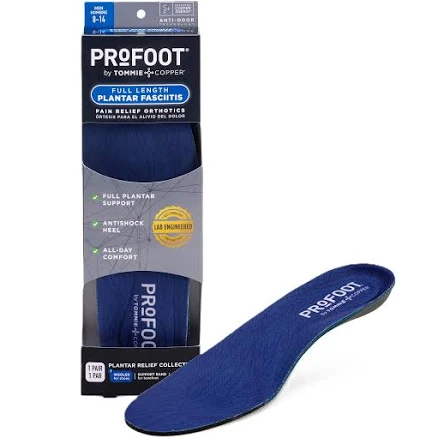
Profoot · Synthetic Athletic Insoles & Orthotics
Profoot Plantar Fasciitis Orthotic Insoles
Lower concern, but brand silent on PFAS. Foam insoles typically avoid PFAS.
Profoot orthotic insoles are foam-based with likely minimal PFAS risk. The brand provides no PFAS disclosure, typical for the insole category.
Still want this one anyway? Check the price on Amazon. We’d swap it.
Material
Foam, gel, or elastomer insole base with fabric covering
Brand disclosure
Brand is silent on PFAS
Lab data
No public lab test
You may also be interested in
Top-graded picks in the categories readers replace first, every one scored on the same rubric.

Aqua Pure
3M Aqua-Pure AP802B Whole House Filter Housing
- polypropylene filter housing, carbon/sediment cartridge
- We found no PFAS statement from the brand
- Bacterial growth in spent cartridges
3 hazards checked on this product. See all of them.

Aquasure
Premier Series 75 GPD Under Sink Reverse Osmosis Water Filtration System
- RO membrane, carbon filters, stainless steel housing
- We found no PFAS statement from the brand
- Bacterial and microbial growth in housing and filters
4 hazards checked on this product. See all of them.

Avocado
Vegan Mattress
- organic cotton, natural latex, coconut coir, recycled steel coils
- The brand calls it PFAS-free, which we have not verified
- Heavy metals
2 hazards checked on this product. See all of them.
What Profoot Plantar Fasciitis Orthotic Insoles is made of, ingredients and materials
Profoot Plantar Fasciitis Insoles use a foam or elastomer base (likely EVA foam or polyurethane) with a fabric top covering. These materials are chosen for cushioning and support rather than water resistance, which means off-gassing of volatile organic compounds (VOCs) during manufacturing is the primary chemical concern. The foam core does not contact food and sits inside shoes where exposure to skin is indirect and limited by the fabric barrier.
What’s concerning
Category baseline
The starting point for this type of product, before anything specific to this product is counted.
No PFAS disclosure
No public statement from the brand about PFAS in this product.
Volatile Organic Compounds (VOC) and off-gassing
Foam and elastomer insoles may release low levels of VOCs during manufacturing and early use, particularly if stored in warm conditions. Typical exposure is minimal because insoles are inside closed shoes; however, new product odor in the first few days is normal and should fade within a week.
Formaldehyde / VOCs
Fabric coverings and glues bonding foam to fabric may contain formaldehyde-releasing resins used for dye fixation or water resistance. Skin contact is limited by the barrier of socks and shoe materials, reducing risk; however, Profoot does not publish material certifications to rule this out.
Source, ATSDR ↗Fungal or bacterial growth from moisture retention
Foam insoles can trap sweat and moisture if not air-dried regularly, creating conditions for mold or odor. This is a maintenance issue rather than a chemical hazard but may cause skin discomfort or infection in susceptible individuals; replace if odor persists despite cleaning.
Adhesive or glue off-gassing from bonding layers
Foams are typically glued to fabric coverings using solvent-based or polyurethane adhesives; low-level emission is normal. Profoot does not disclose adhesive type or curing standards, so full off-gassing timeline cannot be independently verified.
What’s reassuring
Base material not linked to PFAS
The main material recorded for this product is not one associated with PFAS.
Antimony in polyester fiber (if present)
If the fabric covering contains polyester, it may include antimony as a catalyst, though modern manufacturers have largely phased this out. No documented contamination reports exist for Profoot insole products.
The full breakdown
The brand's record and disclosure
Profoot is a consumer footcare brand owned by a larger health products company; no published certifications (e.g., OEKO-TEX, bluesign) are advertised for this product line. No product-specific recalls, toxicology complaints, or regulatory actions are on record. The brand does not publicly disclose material sourcing, chemical testing, or flame retardant policies, which is typical for orthotic insole manufacturers but limits third-party verification.
How it compares in its category
Orthotic insoles as a category avoid many hazards present in other textiles because they are not worn directly against skin for extended periods and do not undergo repeated laundering. Profoot's foam-based design is standard and less complex than gel-hybrid or carbon-fiber-reinforced alternatives. Compared to premium orthopedic brands (e.g., Superfeet, Powerstep), Profoot does not market third-party testing or sustainability certifications, placing it in the mid-market convenience tier.
If you buy it
Store insoles in a cool, dry place away from direct heat or sunlight to minimize off-gassing and material degradation. Replace every 6-12 months or when cushioning noticeably flattens, as worn foam loses support and may develop odor or mold if moisture accumulates. Clean with mild soap and air-dry; avoid machine washing or high heat. If skin irritation develops, discontinue use and inspect the fabric covering for seams or adhesives that may cause friction.
What we don’t know
- Basis
- Model estimate, 72% confidence, not a lab result
- Lab test
- None on record for this exact product
- Brand statement
- Profoot has made none
Formulations change between production runs, so check the current label. How we grade.
More synthetic athletic insoles & orthotics grades
How we score, every product runs through the same public 0-100 rubric based on materials, coatings, brand disclosure, lab findings, and recalls. See the full methodology → Spotted a mistake? Report an error.