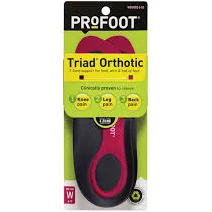
Profoot · Synthetic Athletic Insoles & Orthotics
Profoot Triad Orthotic Insoles for Women
Lower risk since typical orthotic insole lacks known PFAS drivers.
Profoot orthotics use standard foam and fabric materials without known PFAS triggers like water resistance or nonstick coatings. No brand disclosure on PFAS or public lab testing appears.
Still want this one anyway? Check the price on Amazon. We’d swap it.
Material
EVA foam, fabric, foam cushioning
Brand disclosure
Brand is silent on PFAS
Lab data
No public lab test
You may also be interested in
Top-graded picks in the categories readers replace first, every one scored on the same rubric.

Aqua Pure
3M Aqua-Pure AP802B Whole House Filter Housing
- polypropylene filter housing, carbon/sediment cartridge
- We found no PFAS statement from the brand
- Bacterial growth in spent cartridges
3 hazards checked on this product. See all of them.

Aquasure
Premier Series 75 GPD Under Sink Reverse Osmosis Water Filtration System
- RO membrane, carbon filters, stainless steel housing
- We found no PFAS statement from the brand
- Bacterial and microbial growth in housing and filters
4 hazards checked on this product. See all of them.

Avocado
Vegan Mattress
- organic cotton, natural latex, coconut coir, recycled steel coils
- The brand calls it PFAS-free, which we have not verified
- Heavy metals
2 hazards checked on this product. See all of them.
What Profoot Triad Orthotic Insoles for Women is made of, ingredients and materials
Profoot Triad insoles are primarily EVA (ethylene-vinyl acetate) foam with fabric covering and possibly polyurethane or rubber components. EVA is a thermoplastic elastomer chosen for cushioning and arch support because it resists moisture, degrades slowly, and does not off-gas significantly at body temperature (around 35°C in-shoe). The fabric layer (likely polyester or nylon blend) provides surface comfort and moisture-wicking; these materials carry minimal risk when not heat-treated excessively during manufacturing. No published data suggests leaching of concerning chemicals from EVA insoles during normal wear.
What’s concerning
Category baseline
The starting point for this type of product, before anything specific to this product is counted.
No PFAS disclosure
No public statement from the brand about PFAS in this product.
EVA foam degradation and microparticle shedding
EVA can break down mechanically over months to years of compression and flexing. No established health risk from inhaled or ingested EVA microparticles has been documented, but shedding increases with wear. Replacement every 12 months minimizes this potential.
Moisture retention and fungal growth
Dense foam and fabric can trap sweat if not dried regularly. This is a hygiene rather than chemical hazard; it may cause odor, athlete's foot, or skin irritation over months. Regular air-drying and replacement prevent accumulation.
What’s reassuring
Base material not linked to PFAS
The main material recorded for this product is not one associated with PFAS.
Fabric coating or adhesive off-gassing
The fabric layer may include minor adhesives or finishes applied during assembly. No specific off-gassing or volatile organic compound (VOC) issues have been reported for Profoot insoles. EVA itself does not emit formaldehyde or other common VOCs at room or body temperature.
Azo dyes or colorants in fabric
The fabric covering is typically black, gray, or neutral color. Azo dye health risks are primarily in direct skin contact during manufacturing or with excess unbound dye; consumer exposure through a finished textile insole is negligible. No recalls or complaints related to dye leaching from Profoot insoles are on record.
Antimony in polyester components
If the insole fabric or backing includes polyester, antimony trioxide is a catalyst used in manufacturing but is not present in finished polyester at levels known to leach into skin. Profoot insoles are not marketed as containing high antimony-risk materials, and this hazard is typical only of shredded recycled polyester or very low-quality textiles.
The full breakdown
The brand's record and disclosure
Profoot is a private-label orthotic and foot-care brand with no major chemical safety controversies or recall history on record. The brand maintains silent or minimal public stance on chemical testing and certifications; no third-party materials transparency is widely available. This is typical for mass-market orthotic insole brands, which generally are not subject to FDA premarket approval for materials (they are classified as non-medicinal devices in most jurisdictions). Absence of disclosure does not indicate hazard, but consumers should not expect detailed material safety data sheets.
How it compares in its category
Orthotic insoles of this type (foam-based, budget to mid-range) are among the lowest-risk footwear products because they do not involve adhesives, dyes, heavy flame retardants, or antimony-containing polyester in high concentration. Premium alternatives (gel, carbon-fiber composite, or custom-molded insoles) often use similar base materials with added resins; Profoot's simpler EVA construction is materially less complex. Some low-cost insoles use recycled foam or adhesives that may off-gas; Profoot's virgin EVA formulation is standard and poses no known elevated risk relative to competitor products at its price point.
If you buy it
Replace insoles every 6-12 months or when cushioning flattens visibly, as degraded foam loses support and may shed microparticles. Avoid exposure to prolonged heat (direct sunlight, hot car interiors, dishwashers) as EVA softens above 50°C, though normal foot temperature and hand-washing pose no risk. Dry thoroughly after washing to prevent mold or bacterial growth in the fabric layer. If skin irritation or odor develops, discontinue use; this would suggest either a moisture-retention or rare material sensitivity issue, not inherent toxicity.
What we don’t know
- Basis
- Model estimate, 72% confidence, not a lab result
- Lab test
- None on record for this exact product
- Brand statement
- Profoot has made none
Formulations change between production runs, so check the current label. How we grade.
More synthetic athletic insoles & orthotics grades
How we score, every product runs through the same public 0-100 rubric based on materials, coatings, brand disclosure, lab findings, and recalls. See the full methodology → Spotted a mistake? Report an error.