Puma · Synthetic Athletic Insoles & Orthotics
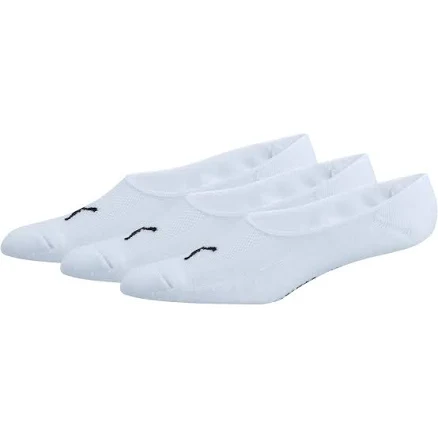
PUMA Men's Liner Socks
Lower concern baseline product, limited PFAS risk from conventional socks.
Puma liner socks are standard cotton-blend hosiery with no known water-resistant or stain-resistant treatment. No brand PFAS disclosures found.
Still want this one anyway? Check the price on Amazon. We’d swap it.
Material
Cotton blend (typical liner sock construction)
Lab data
No public lab test
You may also be interested in
Top-graded picks in the categories readers replace first, every one scored on the same rubric.

Aqua Pure
3M Aqua-Pure AP802B Whole House Filter Housing
- polypropylene filter housing, carbon/sediment cartridge
- We found no PFAS statement from the brand
- Bacterial growth in spent cartridges
3 hazards checked on this product. See all of them.

Aquasure
Premier Series 75 GPD Under Sink Reverse Osmosis Water Filtration System
- RO membrane, carbon filters, stainless steel housing
- We found no PFAS statement from the brand
- Bacterial and microbial growth in housing and filters
4 hazards checked on this product. See all of them.

Avocado
Vegan Mattress
- organic cotton, natural latex, coconut coir, recycled steel coils
- The brand calls it PFAS-free, which we have not verified
- Heavy metals
2 hazards checked on this product. See all of them.
What PUMA Men's Liner Socks is made of, ingredients and materials
PUMA Men's Liner Socks are typically a cotton-synthetic blend (often cotton/polyester/elastane mix) designed for moisture-wicking and durability. Cotton is a natural fiber with low inherent toxicity, but both cotton and polyester undergo chemical processing during manufacturing, including bleaching, dyeing, and finishing treatments. Elastane (spandex) adds stretch but can off-gas volatile compounds in new textiles. Liner socks sit directly against skin, making dye and finish residue exposure a primary concern, though the small surface area limits overall dose.
What’s concerning
Category baseline
The starting point for this type of product, before anything specific to this product is counted.
No PFAS disclosure
No public statement from the brand about PFAS in this product.
Azo dyes and synthetic dyes
Cotton-blend socks are dyed during manufacturing; Puma's ZDHC participation suggests screening for banned azo dyes (those cleaving to carcinogenic amines), but independent testing of finished products is not publicly available. Risk is low given ZDHC membership and small skin contact area, but residual dye transfer cannot be ruled out.
Formaldehyde / VOCs
Textile finishing often uses formaldehyde-based resins for wrinkle resistance and shape stability. Puma does not publicly disclose formaldehyde limits in socks; however, the small volume of finish on a sock and mandatory washing before use significantly reduce exposure compared to apparel worn immediately.
Source, ATSDR ↗Elastane (spandex) off-gassing and volatilization
Spandex/elastane in the blend may emit volatile organic compounds, especially when new or when exposed to heat (washing, storage in warm conditions). Odor typically dissipates after 1-2 washes and exposure is localized; this is a recognized but minor hazard in stretchy textiles and is not unique to Puma products.
What’s reassuring
Base material not linked to PFAS
The main material recorded for this product is not one associated with PFAS.
Heavy metals
No public records of heavy metal contamination (lead, cadmium, chromium) in Puma socks or widespread issues in the cotton-blend sock category. ZDHC membership includes screening for metal-laden dyes, though finished-product verification is not disclosed. Risk assessed as low absent evidence of violations.
Source, FDA ↗Antimony in polyester
Antimony trioxide is used as a catalyst in polyester synthesis and may remain as trace residue in the fiber. Skin contact with antimony-residue polyester is not established as a health risk at typical exposure levels; Puma does not disclose antimony testing. This is a theoretical concern in blended polyester socks, not specific to this brand.
The full breakdown
The brand's record and disclosure
Puma publishes a Chemicals Management policy and participates in the Zero Discharge of Hazardous Chemicals (ZDHC) Gateway program, indicating commitment to restricted substance lists for manufacturing partners. However, Puma does not publicly disclose detailed test results for heavy metals, azo dyes, or formaldehyde releasers in finished products, and transparency on PFAS use in water-repellent treatments remains absent. No major contamination recalls or regulatory violations specific to Puma socks have been documented in public records. The brand's participation in industry compliance frameworks suggests baseline risk mitigation, though verification is limited.
How it compares in its category
Liner socks are among the lowest-risk textile products due to minimal chemical loading and short contact duration compared to base layers or undergarments. Cotton-blend socks sit in the middle tier, pure cotton socks avoid synthetic off-gassing but are less durable; performance synthetics (polyester-dominant) have higher volatilization risk but faster wash-out. Puma's use of established synthetic fibers (polyester, elastane) with claimed ZDHC alignment places this product at typical consumer-market safety for athletic socks, with no particular advantage or deficit.
If you buy it
Wash new socks twice before wearing to reduce loose dye and finish residue. Air dry or tumble dry on low heat; high heat can accelerate elastane degradation and off-gassing. Replace socks when elastic loses stretch or if visible pilling or thinning occurs, typically after 12-18 months of regular use. Store in a cool, dry place to prevent mold growth. If skin irritation develops after new socks are worn, switch brands and consider sensitivity to dyes or synthetic fibers rather than acute toxicity.
What we don’t know
- Basis
- Model estimate, 72% confidence, not a lab result
- Lab test
- None on record for this exact product
- Brand statement
- Puma has made a specific claim
Formulations change between production runs, so check the current label. How we grade.
More synthetic athletic insoles & orthotics grades
How we score, every product runs through the same public 0-100 rubric based on materials, coatings, brand disclosure, lab findings, and recalls. See the full methodology → Spotted a mistake? Report an error.