Puma · Synthetic Athletic Insoles & Orthotics
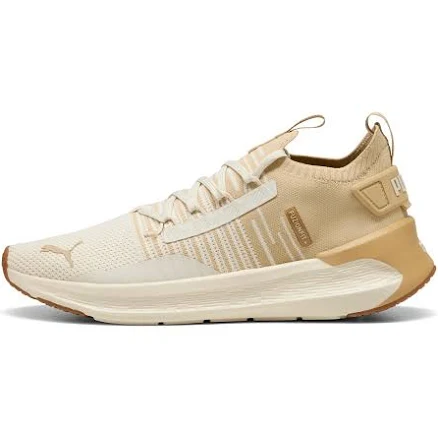
PUMA Men's Softride Symmetry Fuzion Low-top Running Shoes
Standard running shoe with no disclosed PFAS risk or certification.
This PUMA shoe uses common textile and foam materials typical of athletic shoes. No PFAS disclosure or treatment claims are identified.
Still want this one anyway? Check the price on Amazon. We’d swap it.
Material
Mesh textile upper, foam midsole, rubber outsole
Lab data
No public lab test
You may also be interested in
Top-graded picks in the categories readers replace first, every one scored on the same rubric.

Aqua Pure
3M Aqua-Pure AP802B Whole House Filter Housing
- polypropylene filter housing, carbon/sediment cartridge
- We found no PFAS statement from the brand
- Bacterial growth in spent cartridges
3 hazards checked on this product. See all of them.

Aquasure
Premier Series 75 GPD Under Sink Reverse Osmosis Water Filtration System
- RO membrane, carbon filters, stainless steel housing
- We found no PFAS statement from the brand
- Bacterial and microbial growth in housing and filters
4 hazards checked on this product. See all of them.

Avocado
Vegan Mattress
- organic cotton, natural latex, coconut coir, recycled steel coils
- The brand calls it PFAS-free, which we have not verified
- Heavy metals
2 hazards checked on this product. See all of them.
What PUMA Men's Softride Symmetry Fuzion is made of, ingredients and materials
The Softride Symmetry Fuzion uses a mesh textile upper (synthetic or blend), foam midsole technology (likely EVA or polyurethane), and rubber outsole. Mesh uppers in athletic shoes are generally low-risk because they avoid problematic coatings and allow breathability. The foam midsole is a standard, inert cushioning material with no known leaching hazards under normal wear conditions. Rubber outsoles present minimal chemical exposure during use.
What’s concerning
Category baseline
The starting point for this type of product, before anything specific to this product is counted.
No PFAS disclosure
No public statement from the brand about PFAS in this product.
Adhesive and bonding agent leachables
Foam midsole bonding and upper-to-sole stitching and gluing may involve polyurethane or epoxy adhesives. These are inert when cured and do not leach significantly under normal wearing conditions, but degradation from heat or sweat over extended time is theoretically possible.
Microplastic shedding from foam midsole
EVA and polyurethane foam can shed microparticles during wear and washing. This is an environmental concern rather than a direct consumer safety hazard, but accumulated wear may result in minor particulate loss.
What’s reassuring
Base material not linked to PFAS
The main material recorded for this product is not one associated with PFAS.
Formaldehyde / VOCs
Mesh uppers may contain formaldehyde-releasing resins used in dye-setting or finishing, but no specific testing or reports are available for this model. Consumer exposure during normal wear is expected to be minimal given the breathable mesh construction.
Source, ATSDR ↗Azo dyes and colorant hazards
Mesh and foam components are dyed or pigmented; restricted azo dyes are banned in EU and many jurisdictions, but Puma does not publish specific compliance data per shoe. No adverse reports have emerged for this model.
Antimony in polyester components
If the upper or internal linings contain polyester (common in synthetic mesh blends), antimony oxide catalyst residue may be present. Skin contact during wear is not a typical exposure route; no hazard reports exist for this product line.
The full breakdown
The brand's record and disclosure
Puma has not published specific chemical transparency or hazard certifications for individual shoe lines. The company maintains a general sustainability framework but does not routinely disclose formaldehyde resin levels, azo dye testing, or antimony content in polyester components to consumers. No major safety recalls or adverse exposure reports have been established for this model. Brand stance on PFAS and restricted substances remains largely undisclosed at product level.
How it compares in its category
This shoe falls into the mainstream athletic footwear category with no distinguishing safety certifications (e.g., Cradle to Cradle, bluesign) that some premium competitors offer. It uses conventional synthetic materials and construction methods typical of mid-range running shoes from major manufacturers. Mesh uppers are linked to lower concern for PFAS than heavily treated leather or vinyl alternatives. Overall hazard profile is unremarkable for the mass-market running shoe segment.
If you buy it
Store in a cool, dry place to avoid accelerated foam degradation; avoid prolonged exposure to direct sunlight or heat (>50C) which can degrade midsole material. Inspect the upper periodically for mesh tears or separation, which may expose underlying layers. Replace when cushioning noticeably compresses or loses responsiveness (typically 300-500 miles). Wash with mild soap and water only; avoid harsh solvents or bleach that could degrade adhesives or dyes.
What we don’t know
- Basis
- Model estimate, 62% confidence, not a lab result
- Lab test
- None on record for this exact product
- Brand statement
- Puma has made a specific claim
Formulations change between production runs, so check the current label. How we grade.
More synthetic athletic insoles & orthotics grades
How we score, every product runs through the same public 0-100 rubric based on materials, coatings, brand disclosure, lab findings, and recalls. See the full methodology → Spotted a mistake? Report an error.