Puma · Synthetic Athletic Insoles & Orthotics
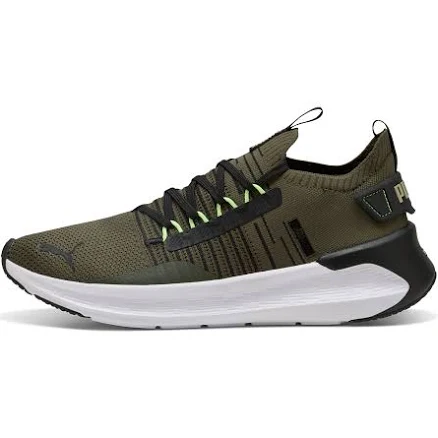
PUMA Men's Softride Symmetry Fuzion Low-top Sneakers
Standard sneaker with no disclosed water treatment. Lower concern.
PUMA Softride Symmetry uses mesh textile and foam materials without disclosed water-resistant coating. No PFAS claims or certifications available.
Still want this one anyway? Check the price on Amazon. We’d swap it.
Material
Mesh textile upper, foam midsole, rubber outsole
Lab data
No public lab test
You may also be interested in
Top-graded picks in the categories readers replace first, every one scored on the same rubric.

Aqua Pure
3M Aqua-Pure AP802B Whole House Filter Housing
- polypropylene filter housing, carbon/sediment cartridge
- We found no PFAS statement from the brand
- Bacterial growth in spent cartridges
3 hazards checked on this product. See all of them.

Aquasure
Premier Series 75 GPD Under Sink Reverse Osmosis Water Filtration System
- RO membrane, carbon filters, stainless steel housing
- We found no PFAS statement from the brand
- Bacterial and microbial growth in housing and filters
4 hazards checked on this product. See all of them.

Avocado
Vegan Mattress
- organic cotton, natural latex, coconut coir, recycled steel coils
- The brand calls it PFAS-free, which we have not verified
- Heavy metals
2 hazards checked on this product. See all of them.
What PUMA Men's Softride Symmetry Fuzion is made of, ingredients and materials
The Softride Symmetry uses a mesh textile upper (likely polyester or nylon blend), foam midsole (EVA or similar closed-cell polymer), and rubber outsole. Mesh uppers are generally low-risk because they are breathable and not in prolonged skin contact like tight textiles; they shed minimal microfibers under normal wear. The foam midsole is a stable material but will degrade and compress over 1-2 years, which is normal and not a safety concern.
What’s concerning
Category baseline
The starting point for this type of product, before anything specific to this product is counted.
No PFAS disclosure
No public statement from the brand about PFAS in this product.
Formaldehyde / VOCs
Mesh uppers and internal linings may be treated with formaldehyde-based dyes or wrinkle-resistant resins common in low-cost athletic footwear production. Puma does not disclose restriction practices for this compound in sneakers, so residual exposure is plausible but typically minimal on breathable mesh.
Source, ATSDR ↗Azo dyes in colored fabrics
The textile upper may contain azo dyes, which are common in synthetic mesh dyeing and are banned in EU textiles above certain restricted amines but less tightly regulated in athletic footwear. No specific data exists for this model; risk is low due to air exposure and light skin contact.
Microplastic shedding from foam midsole
EVA foam midsoles gradually degrade and shed small particles during wear and walking, contributing to microplastic release into soil and water. This is an environmental concern shared by all foam-based sneakers, not a direct consumer health hazard, but worth noting for lifecycle impact.
VOC off-gassing from adhesives and coatings
Shoe assembly uses solvent-based glues and surface treatments that release volatile organic compounds, particularly in the first 48 hours. Smell dissipates quickly with ventilation and poses minimal risk in typical use, though sensitive individuals may experience mild respiratory or olfactory irritation.
What’s reassuring
Base material not linked to PFAS
The main material recorded for this product is not one associated with PFAS.
Antimony in polyester fibers
Antimony is used as a catalyst in some polyester production but is chemically bound in the polymer and does not leach during normal wear. No evidence of elevated antimony in mass-market sneakers; not a practical concern for this product.
The full breakdown
The brand's record and disclosure
Puma does not prominently publish chemical restriction lists or third-party certifications for sneakers at the level of brands like Adidas or Nike, nor does it make explicit statements about formaldehyde resins, azo dyes, or flame retardants in athletic footwear. No recalls or safety violations are on public record for this specific model. The brand's silence on manufacturing chemistry is typical for mid-tier sportswear but reflects lower transparency overall.
How it compares in its category
Mesh-upper low-top sneakers are among the lower-risk footwear designs because they avoid heavy synthetic leather and tight weaves that trap moisture and heat. This model sits in the mainstream athletic sneaker segment with no distinguishing safety features or certifications; it is chemically comparable to most Adidas, New Balance, or generic athletic shoes in the same price range.
If you buy it
Air out new shoes for 24-48 hours before wearing to allow any residual production-line odors (volatile organics) to dissipate. Wash your feet after wearing if skin sensitivity occurs, though dermatitis from sneakers is rare. Replace the shoe when the midsole becomes noticeably soft or compresses unevenly, typically after 300-500 miles of use. Store in a dry place to prevent mold growth in the foam.
What we don’t know
- Basis
- Model estimate, 72% confidence, not a lab result
- Lab test
- None on record for this exact product
- Brand statement
- Puma has made a specific claim
Formulations change between production runs, so check the current label. How we grade.
More synthetic athletic insoles & orthotics grades
How we score, every product runs through the same public 0-100 rubric based on materials, coatings, brand disclosure, lab findings, and recalls. See the full methodology → Spotted a mistake? Report an error.