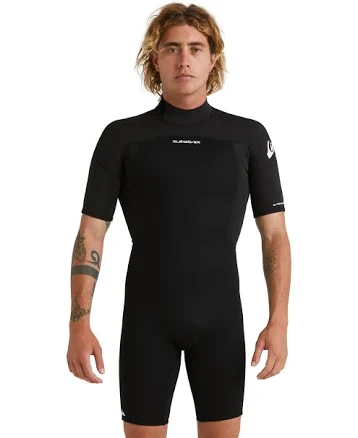
Quiksilver 2/2 Prologue Bz Wetsuit
Moderate PFAS concern; standard wetsuits often use fluorinated water repellents.
This neoprene wetsuit typically receives water-repellent coating finishing on the nylon exterior, historically a PFAS application. Quiksilver does not disclose PFAS status or fluorine-free alternatives.
The better-graded swap
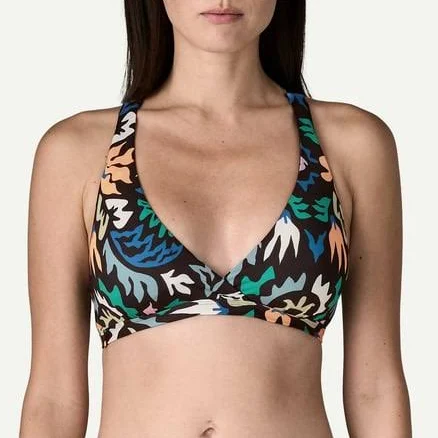
Patagonia
Patagonia Women's Bottom Turn Racerback Bikini Top
90/100 safety
Same rubric that flunked this product. The swap earned Excellent.
Still want this one anyway? Check the price on Amazon. We’d swap it.
Material
Neoprene wetsuit with likely water-repellent coating-treated nylon exterior
Lab data
No public lab test
You may also be interested in
Top-graded picks in the categories readers replace first, every one scored on the same rubric.

- polypropylene filter housing, carbon/sediment cartridge
- We found no PFAS statement from the brand
- Bacterial growth in spent cartridges
3 hazards checked on this product, all on its full breakdown.

Aquasure
Premier Series 75 GPD Under Sink Reverse Osmosis Water Filtration System
- RO membrane, carbon filters, stainless steel housing
- We found no PFAS statement from the brand
- Bacterial and microbial growth in housing and filters
4 hazards checked on this product, all on its full breakdown.

Avocado
Vegan Mattress
- organic cotton, natural latex, coconut coir, recycled steel coils
- The brand calls it PFAS-free, which we have not verified
- Heavy metals
2 hazards checked on this product, all on its full breakdown.
What Quiksilver 2/2 Prologue Bz Wetsuit is made of, ingredients and materials
This is a 2/2mm neoprene wetsuit (2mm thickness front and back) with a nylon exterior typically treated with water-repellent coating (water-repellent coating) finish. Neoprene itself is a synthetic rubber (polychloroprene) that is chemically stable and not a primary toxicity concern. The critical unknown is the water-repellent coating treatment, most manufacturers use fluorinated compounds (PFAS-class) to achieve water repellency, though some newer alternatives exist. The interior is likely a jersey or fleece lining to improve comfort and durability.
What’s concerning
Category baseline
The starting point for this type of product, before anything specific to this product is counted.
No PFAS disclosure
No public statement from the brand about PFAS in this product.
Waterproof / stain-resistant treatment
Water-repellent coating treatments have historically used PFAS.
PFAS
Nylon exterior is almost certainly treated with fluorinated water repellent; no public disclosure from Quiksilver confirms presence or type. PFAS compounds persist in water and bioaccumulate, though dermal exposure from a wetsuit is lower than from drinking contaminated water.
Source, ATSDR ↗Neoprene off-gassing and skin irritation
Neoprene can release volatile organic compounds (VOCs) during manufacturing and initial use, particularly if not pre-washed. Irritation is usually mild and brief; individuals with sensitive skin or latex allergies may react more strongly. Airing the suit before first use reduces this risk.
Microfiber shedding from nylon exterior
Repeated flexing and abrasion of nylon-jersey wetsuits sheds microfibers, which are released into water. The volume is typically low but accumulates with frequency of use; wetsuits used daily shed more than seasonal wear.
Coating degradation and leaching
As the water-repellent coating wears (typically after 1-2 years of regular use), it may leach residual PFAS or other finish chemicals into sweat or seawater. No lab data exists for this specific suit, but older wetsuits generally pose higher risk than new ones.
What’s reassuring
Heavy metals
Quiksilver does not publicly disclose dye chemistry or heavy metal testing for this model. Modern neoprene wetsuits rarely contain problematic levels of cadmium or lead, but no certification confirms this for the Prologue line.
Source, FDA ↗How is this PFAS grade calculated?
The brand's record and disclosure
Quiksilver has not made public statements on PFAS use in wetsuits or chemical transparency policies specific to this product line. The brand does not list third-party certifications (Bluesign, GOTS, or OEKO-TEX) for this model on standard product pages, which would otherwise indicate chemical screening. This silence is typical across mainstream surf-apparel brands; few voluntarily disclose water-repellent coating chemistry, and industry-wide reform has been slow.
How it compares in its category
Most entry-to-mid-range neoprene wetsuits from Quiksilver, O'Neill, Rip Curl, and Xcel carry similar PFAS exposure profiles because water-repellent coating-treated nylon exteriors are standard. Premium brands (e.g., Patagonia, some Finisterre lines) increasingly offer options with lower concern for PFAS, though at higher cost. The 2/2mm thickness is typical for temperate-water use and carries no special chemical risk compared to thicker suits.
If you buy it
Rinse the wetsuit thoroughly in fresh water after each salt-water use to minimize dermal absorption of any leachable coatings. Avoid machine washing; hand wash gently and air-dry away from heat sources or direct sunlight, which can degrade the nylon and accelerate coating breakdown. Inspect the exterior seams and coating annually for cracks or peeling; a degraded water-repellent coating layer may shed microparticles. If you spend extended time in the water (e.g., daily surfing), consider rotating wetsuits to reduce cumulative PFAS exposure from a single suit.
What is not known about PFAS in this product?
- Basis
- Model estimate, 45% confidence, not a lab result
- Lab test
- None on record for this exact product
- Brand statement
- Quiksilver has made a specific claim
Formulations change between production runs, so check the current label. How we grade.
What are the PFAS-free alternatives to Quiksilver 2/2 Prologue Bz Wetsuit?
- Nylon/polyester blend with elastane (standard swimwear)
- The brand calls it PFAS-free, which we have not verified
- Elastane (spandex) degradation under heat or chlorine
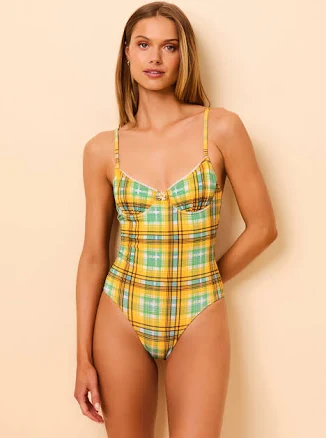
- Cotton/cotton-blend seersucker plaid
- We found no PFAS statement from the brand
- Azo dyes and colorfast stability
2 hazards checked on this product, all on its full breakdown.
Find an alternative on Amazon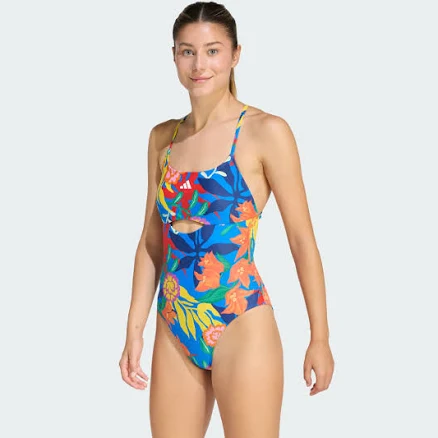
- Polyester/nylon swimsuit fabric, likely uncoated or standard finish
- Azo dyes and synthetic colorants
4 hazards checked on this product, all on its full breakdown.
Find an alternative on AmazonMore swimwear grades
How we score, every product runs through the same public 0-100 rubric based on materials, coatings, brand disclosure, lab findings, and recalls. See the full methodology → Spotted a mistake? Report an error.