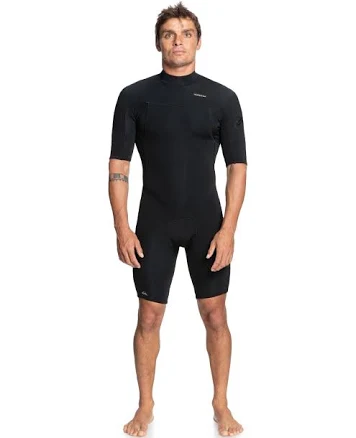
Quiksilver Men's Everyday Sessions Back-Zip Short Sleeve Spring Suit
Spring suits typically use water-repellent coating coatings; contact brand for PFAS status.
Quiksilver's spring suit uses neoprene/nylon with water-repellent finish, a common source of PFAS in water sports apparel. The brand does not disclose coating chemistry or PFAS-free status.
The better-graded swap
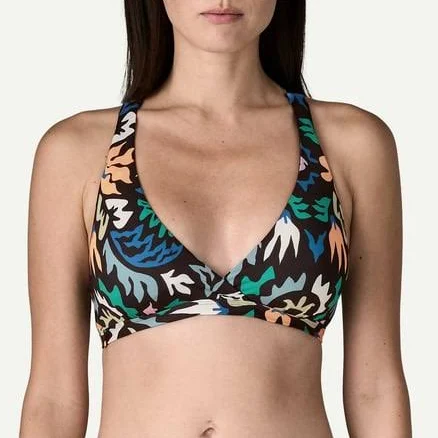
Patagonia
Patagonia Women's Bottom Turn Racerback Bikini Top
90/100 safety
Same rubric that flunked this product. The swap earned Excellent.
Still want this one anyway? Check the price on Amazon. We’d swap it.
Material
Neoprene/nylon with water-repellent coating (water-repellent coating) treatment
Lab data
No public lab test
You may also be interested in
Top-graded picks in the categories readers replace first, every one scored on the same rubric.

- polypropylene filter housing, carbon/sediment cartridge
- We found no PFAS statement from the brand
- Bacterial growth in spent cartridges
3 hazards checked on this product, all on its full breakdown.

Aquasure
Premier Series 75 GPD Under Sink Reverse Osmosis Water Filtration System
- RO membrane, carbon filters, stainless steel housing
- We found no PFAS statement from the brand
- Bacterial and microbial growth in housing and filters
4 hazards checked on this product, all on its full breakdown.

Avocado
Vegan Mattress
- organic cotton, natural latex, coconut coir, recycled steel coils
- The brand calls it PFAS-free, which we have not verified
- Heavy metals
2 hazards checked on this product, all on its full breakdown.
What Quiksilver Men's Everyday Spring Suit is made of, ingredients and materials
This suit combines neoprene (synthetic rubber) as the thermal/structural layer with nylon fabric outer shell. The 'water-repellent coating' (water-repellent coating) treatment applied to the nylon is the chemical wildcard, water-repellent coating coatings historically relied on long-chain PFAS compounds, though some brands have shifted to fluorine-free or short-chain alternatives in recent years. Neoprene itself is chemically stable and not a primary leaching concern in water-contact use, but the finish matters.
What’s concerning
Category baseline
The starting point for this type of product, before anything specific to this product is counted.
No PFAS disclosure
No public statement from the brand about PFAS in this product.
Waterproof / stain-resistant treatment
Water-repellent coating treatments have historically used PFAS.
PFAS
Nylon water-repellent coating finishes on spring suits commonly use fluorinated compounds; Quiksilver's specific coating chemistry is undisclosed. Consumer cannot verify whether legacy long-chain PFAS, short-chain alternatives, or fluorine-free finishes are used without direct brand inquiry.
Source, ATSDR ↗Nylon microfiber shedding during wear
Abrasion and UV exposure can cause nylon fibers to shed into water; this is a microplastic concern shared across all synthetic swimwear. Not specific to Quiksilver but inherent to nylon suits. Severity increases with wear duration and water temperature.
What’s reassuring
Azo dyes in nylon or neoprene
Nylon and neoprene can be dyed with azo compounds, but no brand-specific or product-specific contamination reports exist for Quiksilver spring suits. Standard textile mills serving major brands typically comply with azo restrictions in consumer-facing colors.
Formaldehyde / VOCs
Formaldehyde resins are not commonly used in water-repellent coating or neoprene treatments for swimwear, as these processes rely on fluorinated or wax-based coatings. No reported instances in this product category.
Source, ATSDR ↗Neoprene thermal off-gassing (chloroprene monomer)
Neoprene is manufactured from chloroprene and may release trace volatile organics during manufacturing, but finished suits worn in water or air have negligible off-gassing risk. Concern is primarily occupational in factories, not consumer use.
How is this PFAS grade calculated?
The brand's record and disclosure
Quiksilver has not published a public PFAS reduction roadmap or material transparency statement as of available records. The company does not list water-repellent coating treatment details on product pages or spec sheets for spring suits. This silence is typical for surf/wetsuit brands but leaves consumers unable to verify whether their water-repellent coating uses legacy PFAS, short-chain alternatives, or fluorine-free chemistry. Direct contact with Quiksilver customer service is the only way to determine the specific coating used on this model.
How it compares in its category
Spring suits occupy a middle ground, thinner and less reliant on water-repellent coating than full winter wetsuits, but still treated for water shedding. Most mainstream brands (O'Neill, Rip Curl, Quiksilver, Xcel) treat spring suits with durable finishes; few disclose whether PFAS-free alternatives are used. Premium eco-focused wetsuit makers (e.g., Patagonia, Fourth Element) explicitly avoid long-chain PFAS, though at higher price points. This Quiksilver model carries typical industry opacity.
If you buy it
Rinse thoroughly in fresh water after saltwater use to remove salt deposits and slow coating degradation. Avoid machine washing; hand wash in cool water with mild soap. Air-dry away from direct heat or sunlight, as neoprene can degrade under UV exposure. Plan to replace the suit every 3-5 years depending on use frequency; as water-repellent coating wears, water-shedding properties diminish but the neoprene thermal function remains. If water-repellent coating status matters to you, email Quiksilver with the product SKU before purchase.
What is not known about PFAS in this product?
- Basis
- Model estimate, 42% confidence, not a lab result
- Lab test
- None on record for this exact product
- Brand statement
- Quiksilver has made a specific claim
Formulations change between production runs, so check the current label. How we grade.
What are the PFAS-free alternatives to Quiksilver Men's Everyday Sessions Back-Zip Short Sleeve Spring Suit?
- Nylon/polyester blend with elastane (standard swimwear)
- The brand calls it PFAS-free, which we have not verified
- Elastane (spandex) degradation under heat or chlorine
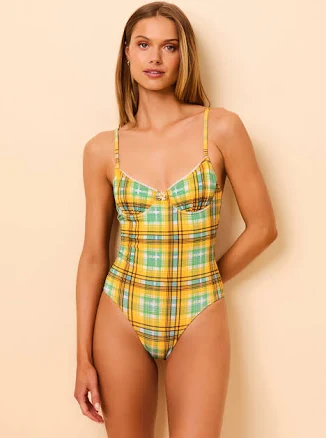
- Cotton/cotton-blend seersucker plaid
- We found no PFAS statement from the brand
- Azo dyes and colorfast stability
2 hazards checked on this product, all on its full breakdown.
Find an alternative on Amazon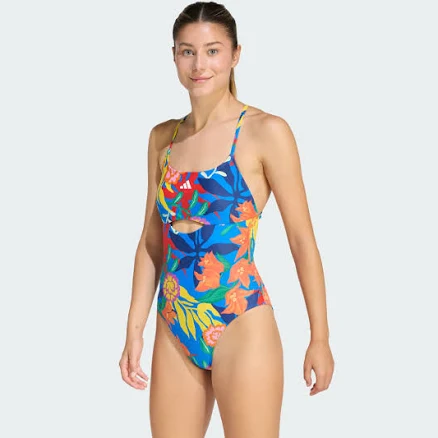
- Polyester/nylon swimsuit fabric, likely uncoated or standard finish
- Azo dyes and synthetic colorants
4 hazards checked on this product, all on its full breakdown.
Find an alternative on AmazonMore swimwear grades
How we score, every product runs through the same public 0-100 rubric based on materials, coatings, brand disclosure, lab findings, and recalls. See the full methodology → Spotted a mistake? Report an error.