
Reformation Joy One Piece Swimsuit
Lower concern for typical swimsuit without water-resistant finish disclosed.
This standard nylon and elastane swimsuit shows no disclosed water-repellent or stain-resistant treatment. Untreated nylon swimwear carries lower PFAS risk than items marketed with water-resistant finishes, though confidence remains moderate without third-party testing.
The better-graded swap
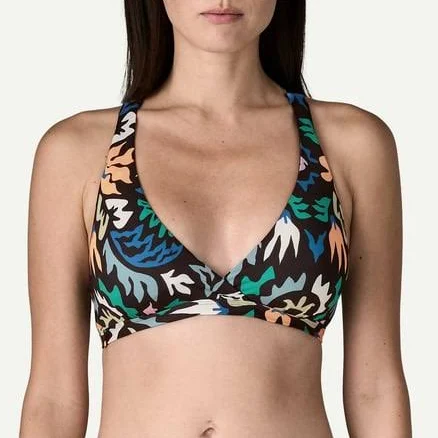
Patagonia
Patagonia Women's Bottom Turn Racerback Bikini Top
90/100 safety
Same rubric that flunked this product. The swap earned Excellent.
Still want this one anyway? Check the price on Amazon. We’d swap it.
Material
Nylon/polyamide blend (likely nylon 6 or nylon 6,6) with elastane
Brand disclosure
Brand is silent on PFAS
Lab data
No public lab test
What Reformation Joy One Piece Swimsuit is made of, ingredients and materials
This swimsuit is nylon (polyamide) blended with elastane (spandex), a common, well-understood pairing for swimwear that provides stretch and durability. Nylon does not inherently require PFAS-based water repellency, and Reformation has not disclosed applying durable water-resistant finishes to this style, which lowers PFAS risk substantially compared to technical swimwear. The elastane component contributes durability but can degrade faster than nylon when exposed to chlorine and UV.
What’s concerning
Category baseline
The starting point for this type of product, before anything specific to this product is counted.
No PFAS disclosure
No public statement from the brand about PFAS in this product.
Azo dyes in synthetic textiles
Nylon swimwear is commonly dyed with azo colorants. Reformation does not publicly disclose azo-free or restricted-azo dye use for this product. Skin contact with azo dyes is low-risk for intact skin but banned azo metabolites are a concern in some EU jurisdictions; no health incidents are documented for this brand's swimwear.
Elastane degradation and microfiber shedding
Heavy metals
Nylon dyes may contain trace heavy metals (cadmium, lead) as byproducts, though EU and US regulations limit residual levels. Reformation does not publish heavy metal testing for individual products. Risk is low for skin contact but not independently verified for this item.
Source, FDA ↗What’s reassuring
Base material not linked to PFAS
The main material recorded for this product is not one associated with PFAS.
Formaldehyde / VOCs
No formaldehyde-releasing resin treatment is typical for standard nylon swimwear without water-resistant or wrinkle-resistant claims. Reformation has not disclosed such finishes for this style. Formaldehyde risk is low unless product labeling indicates special finish treatment.
Source, ATSDR ↗Antimony in polyester (not applicable here)
This swimsuit is nylon-based, not polyester. Antimony is a catalyst used in polyester production and is not relevant to nylon/elastane blends.
The full breakdown
The brand's record and disclosure
Reformation markets itself as a sustainability-focused brand and publishes a material transparency standard, though it does not provide item-level PFAS testing or full chemical disclosure for individual products. The brand is not known for PFAS-related recalls or public controversies in swimwear. However, the lack of explicit PFAS statement for this product means reliance on material class assumptions rather than verified safety data.
How it compares in its category
Standard nylon/elastane swimwear is typical and represents lower chemical risk than polyester-blended or heavily treated technical suits. Reformation's price point and positioning suggest quality control consistent with mid-to-premium retailers. Without water-resistant branding, this suits sits in the conventional swimwear safety tier, not the higher-risk performance or adventure category.
If you buy it
Rinse immediately after salt or chlorine exposure to reduce elastane degradation and slow color fading. Avoid prolonged sun exposure when wet, as UV accelerates nylon and elastane breakdown. Hand wash in cool water with mild detergent; machine washing and hot water reduce lifespan significantly. Replace when seams weaken, elasticity loss becomes visible, or fabric thinning allows transparency, typically after 50-80 wears with proper care.
What we don’t know
- Basis
- Model estimate, 72% confidence, not a lab result
- Lab test
- None on record for this exact product
- Brand statement
- Reformation has made none
Formulations change between production runs, so check the current label. How we grade.
Better-graded alternatives in Swimwear
Patagonia
Women's Bottom Turn Racerback Bikini Top
- Nylon/polyester blend with elastane (standard swimwear)
- The brand calls it PFAS-free, which we have not verified
- Elastane (spandex) degradation under heat or chlorine
More swimwear grades
How we score, every product runs through the same public 0-100 rubric based on materials, coatings, brand disclosure, lab findings, and recalls. See the full methodology → Spotted a mistake? Report an error.