
Reformation Posidonia One Piece Swimsuit
Lower-concern choice; typical swimwear without known PFAS red flags.
This nylon and polyester blend swimsuit shows no disclosed waterproofing treatment or specialty coatings that typically introduce PFAS. Reformation makes no public statement on forever chemicals and no lab data or recalls exist for this product.
The better-graded swap
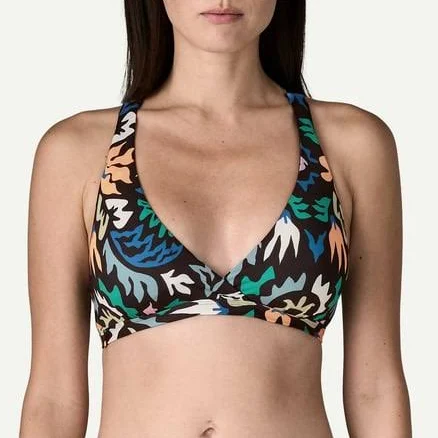
Patagonia
Patagonia Women's Bottom Turn Racerback Bikini Top
90/100 safety
Same rubric that flunked this product. The swap earned Excellent.
Still want this one anyway? Check the price on Amazon. We’d swap it.
Material
Nylon/polyester blend swimsuit fabric (standard synthetic)
Brand disclosure
Brand is silent on PFAS
Lab data
No public lab test
What Reformation Posidonia One Piece Swimsuit is made of, ingredients and materials
The Posidonia One Piece is constructed from a nylon/polyester blend, which is the industry standard for swimwear due to chlorine resistance and shape retention. Synthetic swimsuit fabrics do not typically leach chemicals during normal wear in water since they are not heated and not used for food contact. The dyes and finishes applied during manufacturing are the primary concern, but modern textile mills subject swimwear to regulated dyeing processes in most markets.
What’s concerning
Category baseline
The starting point for this type of product, before anything specific to this product is counted.
No PFAS disclosure
No public statement from the brand about PFAS in this product.
Heavy metals
Swimwear is dyed using standard textile azo dyes; restricted azo dyes are banned in EU and heavily regulated in North America, but residual dye metals (chromium, copper) may be present in trace amounts. Reformation does not publicly disclose dye testing or heavy metal limits for this product, and no recalls or contamination reports are on record.
Source, FDA ↗Formaldehyde / VOCs
Some nylon and polyester swimwear may contain formaldehyde-based wrinkle or shrinkage control resins applied during finishing. This is not specific to Reformation and is common across the industry; levels are typically low and off-gas minimally during normal wear. No formaldehyde concerns have been reported for this product.
Source, ATSDR ↗Antimony in polyester
Antimony trioxide is used as a polyester catalyst and may be present in the fabric at trace levels. Skin contact with residual antimony from unwashed new swimwear is theoretically possible but levels are regulated in most industrial polyester production. Reformation does not publicly disclose antimony limits or post-production testing.
Skin irritation from dyes or finishes
Individuals with sensitive skin or dye allergies may experience contact dermatitis from residual colorants or finishing chemicals, particularly if the garment is not rinsed before first wear. This risk is present in most new synthetic swimwear and is not specific to this brand.
What’s reassuring
Base material not linked to PFAS
The main material recorded for this product is not one associated with PFAS.
Elastic degradation and microfiber shedding
Synthetic swimwear elastics (typically spandex/elastane) degrade with chlorine and UV exposure, potentially releasing microfibers into water. This is a general property of all synthetic swimwear, not specific to Reformation, and is not classified as a consumer safety hazard by regulatory bodies.
The full breakdown
The brand's record and disclosure
Reformation markets itself as a sustainable fashion brand and has published environmental commitments, though detailed material safety disclosures for swimwear specifically are limited in public documents. The brand does not appear in major product safety recalls related to swimwear or textile contamination. Their PFAS stance remains undisclosed at the corporate level, but the swimwear itself carries a lower-concern PFAS profile compared to water-resistant or performance-focused competitors.
How it compares in its category
Reformation's nylon/polyester blend is typical for mainstream fashion swimwear and does not use specialty water-repellent finishes (which often contain PFAS). Compared to budget fast-fashion swimwear, Reformation benefits from established production standards; compared to high-end performance brands that use water-repellent coating coatings, this product avoids that additional chemical layer. Most conventional swimwear shares similar hazard profiles, making this product neither standout nor problematic in its category.
If you buy it
Rinse in fresh water after each use to remove chlorine and salt, which can degrade the elastic and fibers over time. Wash by hand in cool water with mild detergent and hang to dry; machine washing and high heat accelerate degradation. Replace when the elastic loses stretch or seams separate, typically after 50 to 100 wears depending on use frequency. Avoid prolonged direct sunlight storage, which can fade dyes and weaken synthetic fibers.
What we don’t know
- Basis
- Model estimate, 72% confidence, not a lab result
- Lab test
- None on record for this exact product
- Brand statement
- Reformation has made none
Formulations change between production runs, so check the current label. How we grade.
Better-graded alternatives in Swimwear
Patagonia
Women's Bottom Turn Racerback Bikini Top
- Nylon/polyester blend with elastane (standard swimwear)
- The brand calls it PFAS-free, which we have not verified
- Elastane (spandex) degradation under heat or chlorine
More swimwear grades
How we score, every product runs through the same public 0-100 rubric based on materials, coatings, brand disclosure, lab findings, and recalls. See the full methodology → Spotted a mistake? Report an error.