
Reformation Posidonia One Piece Swimsuit | Black | Medium
Lower PFAS concern for standard swim fabric, but ask about water-resistant treatments.
This one-piece uses nylon and elastane, common swimwear materials with no inherent PFAS requirement. Reformation has not disclosed PFAS policies or testing for this product.
The better-graded swap
Patagonia
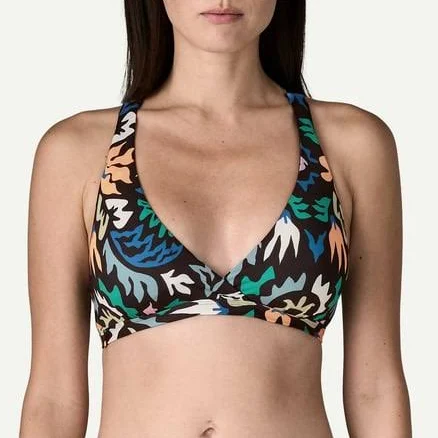
Patagonia Women's Bottom Turn Racerback Bikini Top
90/100 safety
Same rubric that flunked this product. The swap earned Excellent.
Still want this one anyway? Check the price on Amazon. We’d swap it.
Material
Nylon blend (primary), elastane/spandex
Brand disclosure
Brand is silent on PFAS
Lab data
No public lab test
What Reformation Posidonia One Piece Swimsuit is made of, ingredients and materials
This one-piece is primarily nylon blended with elastane (spandex), which is the standard construction for modern swimwear. Nylon is a synthetic polymer that does not leach monomers into skin or water under normal use conditions, unlike some legacy plastics. Elastane provides stretch and recovery but is chemically inert when not exposed to extreme heat or chlorine degradation. The black dye finish introduces potential for azo dye residues, though leading brands typically use non-azo or pre-tested dyes to avoid banned carcinogenic compounds.
What’s concerning
Category baseline
The starting point for this type of product, before anything specific to this product is counted.
No PFAS disclosure
No public statement from the brand about PFAS in this product.
Azo dyes (carcinogenic residues)
Black dyed nylon can retain unreacted azo dye precursors or degradation products. Reformation does not disclose dye chemistry or azo-free certification; reputable swimwear manufacturers test for banned amines (benzidine, etc.), but without certification on file, residual risk cannot be ruled out.
Elastane degradation and microfiber shedding
All elastane swimwear sheds microfibers into water with wear and washing. This is a category-wide issue, not brand-specific, but proper rinsing and air-drying minimizes shedding. Degraded elastane also releases microplastics into wash water.
Formaldehyde / VOCs
Some black dyes and finishing treatments (wrinkle resistance, color lock) can involve formaldehyde-releasing agents. Reformation does not publish formaldehyde testing; standard industry practice is to test for <75 ppm (OEKO-TEX standard), but confirmation is absent.
Source, ATSDR ↗Water-resistant chemical coatings (suspected PFOA/PFOS alternatives)
Swimwear marketed as water-resistant or quick-dry may receive water-repellent coating (water-repellent coating) treatments. Reformation does not disclose whether water-repellent coating is applied to this product; if present, modern alternatives to PFOA/PFOS are used but not disclosed, preventing independent verification.
What’s reassuring
Base material not linked to PFAS
The main material recorded for this product is not one associated with PFAS.
Heavy metals
No recalls or documented contamination with lead, cadmium, or chromium in Reformation apparel have been reported. Black pigments are low-risk compared to bright reds or yellows, which often carry higher metal content.
Source, FDA ↗The full breakdown
The brand's record and disclosure
Reformation markets itself as a sustainability-focused brand but does not publish detailed chemical test reports, restricted substance lists, or third-party certifications (e.g., OEKO-TEX, bluesign) for individual garments. The brand has not disclosed its position on water-resistant chemical treatments applied to swimwear. No major recalls, heavy metal contamination, or formaldehyde residue incidents have been publicly documented for Reformation apparel. The lack of transparency on dye chemistry and finishing treatments is a weakness compared to certified competitors.
How it compares in its category
Nylon-elastane blends are the industry standard and carry lower chemical risk than older polyurethane-based swimwear. Many competitors (Speedo, Arena, high-street brands) use identical or similar fiber blends without differentiation in hazard profile. Premium certified brands (e.g., Patagonia, some Allbirds swimwear) provide third-party test reports; Reformation does not, placing it in the mid-tier for transparency. The black colorway may pose slightly higher risk for azo dye residues than light colors, though modern dyeing typically mitigates this.
If you buy it
Rinse thoroughly in fresh water after each use, especially after chlorine or saltwater exposure, to remove residual dyes and prevent elastane degradation. Wash in cool water with mild detergent; avoid bleach and fabric softener, which degrade elastane. Air dry only; heat (dryer, direct sun for extended periods) breaks down synthetic fibers and elastane. Replace when elastane loses elasticity (typically after 50-100 wears with proper care), as degraded fibers can shed microfibers into waterways.
What we don’t know
- Basis
- Model estimate, 72% confidence, not a lab result
- Lab test
- None on record for this exact product
- Brand statement
- Reformation has made none
Formulations change between production runs, so check the current label. How we grade.
Better-graded alternatives in Swimwear
Patagonia
Women's Bottom Turn Racerback Bikini Top
- Nylon/polyester blend with elastane (standard swimwear)
- The brand calls it PFAS-free, which we have not verified
- Elastane (spandex) degradation under heat or chlorine
More swimwear grades
How we score, every product runs through the same public 0-100 rubric based on materials, coatings, brand disclosure, lab findings, and recalls. See the full methodology → Spotted a mistake? Report an error.