
Reformation Zahara Bikini Top
Lower concern for PFAS; typical bikini with no water-resistant treatment disclosed.
This nylon and polyamide bikini top shows no disclosed water-repellent or stain-resistant treatment, the primary PFAS risk factors in apparel. Reformation does not publicly claim PFAS-free status, and no third-party PFAS testing data exists.
The better-graded swap
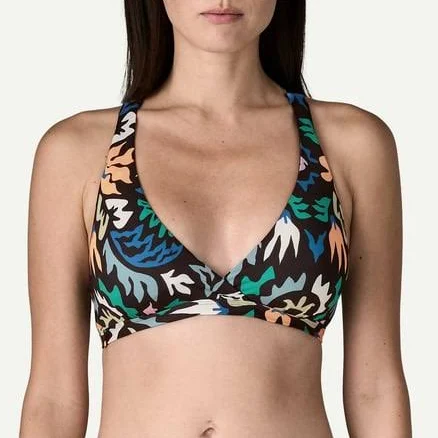
Patagonia
Patagonia Women's Bottom Turn Racerback Bikini Top
90/100 safety
Same rubric that flunked this product. The swap earned Excellent.
Still want this one anyway? Check the price on Amazon. We’d swap it.
Material
Nylon/polyamide blend, no water-resistant treatment noted
Brand disclosure
Brand is silent on PFAS
Lab data
No public lab test
What Reformation Zahara Bikini Top is made of, ingredients and materials
The Zahara top is a nylon/polyamide blend, a synthetic polymer widely used in swimwear for stretch, durability, and quick-dry properties. Nylon itself is chemically stable and does not leach BPA or phthalates under normal use. The absence of a noted water-resistant or durable-water-repellent (water-repellent coating) treatment is a positive signal, as such finishes historically contained PFOA and other PFAS compounds; this garment appears to rely on fiber properties alone.
What’s concerning
Category baseline
The starting point for this type of product, before anything specific to this product is counted.
No PFAS disclosure
No public statement from the brand about PFAS in this product.
Azo dyes and colorant toxicity
Nylon swimwear is commonly dyed with azo dyes, some of which can break down into carcinogenic aromatic amines under sweat and UV exposure. Reformation's sustainability messaging suggests attention to dye chemistry, but no specific colorant standard is publicly confirmed for this style. Wash before first wear to reduce surface dye transfer.
Formaldehyde / VOCs
Nylon can be treated with formaldehyde-releasing resins for wrinkle resistance or shape retention, though swimwear typically avoids such treatments. No evidence this Zahara top includes such finishes, but bluesign or GOTS certification would exclude them definitively. Pre-wash recommended.
Source, ATSDR ↗Microplastic shedding during laundering
All synthetic textiles shed microfibers when washed; nylon is relatively stable but still releases tiny particles. Use a microfiber-catching laundry bag and wash in cold water to minimize shedding. This is a minor but documented concern for all swimwear in this category.
Elastic degradation and allergen exposure
Swimwear elastic (typically spandex or latex-free synthetic) can degrade and shed fragments over time. Some elastics are treated with antifungal or antimicrobial finishes; Reformation does not disclose such treatments for this piece. Inspect elastic annually and replace if it becomes sticky, flakes, or loses snap.
What’s reassuring
Base material not linked to PFAS
The main material recorded for this product is not one associated with PFAS.
Antimony in polyester blend (if present)
The listed material is nylon/polyamide blend, not polyester; antimony is a catalyst used in polyester production and does not typically appear in pure nylon fibers. No known concern for this product.
The full breakdown
The brand's record and disclosure
Reformation markets itself on sustainability and transparency, publishing annual impact reports and committing to reduced chemical use in production. However, the brand has been silent on PFAS policy specifically, which is a notable gap given industry scrutiny. Reformation has not faced major documented chemical safety recalls for apparel, and the company certifies some products against bluesign or similar standards, though this specific top's certifications are not publicly detailed. The brand's overall trajectory suggests awareness of chemical risks, but disclosure could be more explicit.
How it compares in its category
Most mainstream swimwear is nylon or polyester blends, often treated with PFAS-based water-repellent coatings to extend wear and prevent UV damage. By contrast, this Reformation piece sidesteps that common treatment, placing it in a lower-chemical segment. Sustainable swimwear brands like Patagonia and Girlfriend Collective offer similar uncoated nylon options with more rigorous third-party certification, so the Zahara top is competitive but not exceptional in terms of demonstrated chemical transparency.
If you buy it
Wash in cool or warm water (not hot) with mild detergent to avoid fiber stress and dye bleeding; nylon can degrade faster in chlorine than salt water, so rinse immediately after pool use. Do not expose to prolonged heat, direct sunlight when wet (causes fading), or bleach. Replace when elastic loses recovery or seams begin separating, typically after 50-80 wears depending on care. Nylon is inherently low-shedding compared to cotton blends, so microplastic release during washing is minimal.
What we don’t know
- Basis
- Model estimate, 72% confidence, not a lab result
- Lab test
- None on record for this exact product
- Brand statement
- Reformation has made none
Formulations change between production runs, so check the current label. How we grade.
Better-graded alternatives in Swimwear
Patagonia
Women's Bottom Turn Racerback Bikini Top
- Nylon/polyester blend with elastane (standard swimwear)
- The brand calls it PFAS-free, which we have not verified
- Elastane (spandex) degradation under heat or chlorine
More swimwear grades
How we score, every product runs through the same public 0-100 rubric based on materials, coatings, brand disclosure, lab findings, and recalls. See the full methodology → Spotted a mistake? Report an error.