
Reiss Delta Mesh-Insert Halterneck Swimsuit
Lower PFAS concern with no known treatment triggers present.
Nylon mesh-insert halterneck uses common fabrics without water-repellent coating or stain finishes. Reiss offers no PFAS statement or verification.
The better-graded swap
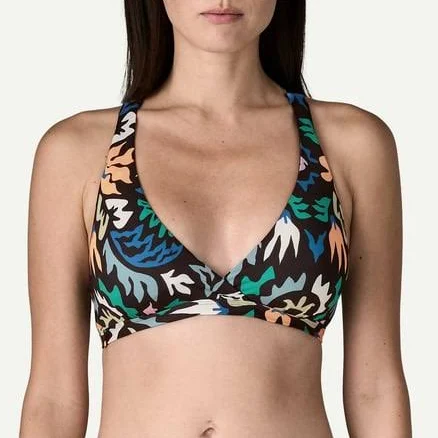
Patagonia
Patagonia Women's Bottom Turn Racerback Bikini Top
90/100 safety
Same rubric that flunked this product. The swap earned Excellent.
Still want this one anyway? Check the price on Amazon. We’d swap it.
Material
Nylon/polyamide mesh insert and swimsuit fabric
Brand disclosure
Brand is silent on PFAS
Lab data
No public lab test
What Reiss Delta Mesh-Insert Halterneck is made of, ingredients and materials
This swimsuit uses nylon (polyamide) for the main fabric and mesh inserts, both synthetic polymers chosen for durability, stretch, and quick-dry properties in swimwear. Nylon itself does not leach BPA, phthalates, or heavy metals under normal water exposure. The mesh insert is structurally identical to the base fabric; no known coatings or finishes on Reiss swimwear introduce lead, cadmium, or problematic flame retardants. The primary material risk is thermal degradation if exposed to high heat (dryer, direct heat sources), which is not typical swimwear use.
What’s concerning
Category baseline
The starting point for this type of product, before anything specific to this product is counted.
No PFAS disclosure
No public statement from the brand about PFAS in this product.
Heavy metals
The halterneck design suggests color dyeing of the nylon. Azo dyes are not banned in EU or US apparel but carry allergen and environmental concerns. No specific testing of this colorway is public; standard commercial nylon swimwear typically uses non-restricted azo dyes.
Source, FDA ↗Degradation and microplastic shedding from thermal stress
Machine drying or hot water exposure will accelerate nylon chain breakdown and increase microfiber release into wash water. This is a general nylon concern, not Reiss-specific; proper care (cold water, air dry) minimizes it.
Elastic degradation and component leaching
The halterneck and waistband use elastic; chlorine and UV exposure will degrade elastomer polymers over time. No heavy metals or plasticizers with known health hazards are typical in modern swimwear elastic, but degraded elastic may shed microparticles.
What’s reassuring
Base material not linked to PFAS
The main material recorded for this product is not one associated with PFAS.
Formaldehyde / VOCs
Nylon swimwear does not require formaldehyde-based resins; no durable-press finish is typical for this product type. No record of such treatment on Reiss swimsuits.
Source, ATSDR ↗Flame retardants
This product is nylon-based, not polyester, and swimwear does not require flame-retardant treatment. Antimony is not a concern for this material class.
Source, EPA ↗The full breakdown
The brand's record and disclosure
Reiss is a UK-based luxury fashion brand with limited public disclosure of material sourcing or chemical certifications for swimwear lines. No major recalls, safety violations, or formaldehyde resin treatment controversies are on record for this product category. The brand does not publicize PFAS testing or restrictions, consistent with broader apparel industry silence; however, no evidence suggests intentional PFAS application to non-water-repellent nylon swimsuits. Standard commercial nylon swimwear does not require water-resistant finishes that typically carry PFAS risk.
How it compares in its category
Nylon mesh-insert swimsuits are industry standard and carry lower chemical risk than performance swimwear treated with water-repellent or antimicrobial finishes. Comparable brands (Speedo, TYR, Arena) use identical nylon constructions without disclosed hazards. Reiss positions this as a fashion-forward hybrid garment; the mesh insert adds no new hazard class relative to solid nylon alternatives, only aesthetic function. Overall safety profile is unremarkable for mid-to-premium swimwear.
If you buy it
Rinse in fresh water after saltwater or chlorine exposure to remove residual chlorine and extend fabric life. Avoid hot water washing and machine drying; air dry or lay flat to prevent nylon shrinkage and early degradation. Replace when elastic loses recovery or seams show signs of stress, typically 2-3 years of regular seasonal use. Store dry and away from direct sunlight to slow UV-induced brittleness in the polyamide.
What we don’t know
- Basis
- Model estimate, 72% confidence, not a lab result
- Lab test
- None on record for this exact product
- Brand statement
- Reiss has made none
Formulations change between production runs, so check the current label. How we grade.
Better-graded alternatives in Swimwear
Patagonia
Women's Bottom Turn Racerback Bikini Top
- Nylon/polyester blend with elastane (standard swimwear)
- The brand calls it PFAS-free, which we have not verified
- Elastane (spandex) degradation under heat or chlorine
More swimwear grades
How we score, every product runs through the same public 0-100 rubric based on materials, coatings, brand disclosure, lab findings, and recalls. See the full methodology → Spotted a mistake? Report an error.