
Reiss Lucia Floral-Print Halterneck Swimsuit
Lower PFAS concern for basic printed swimsuit lacking transparency.
Floral halterneck uses typical synthetic swimwear fabrics. Reiss provides no PFAS disclosure; printed nylon may receive Teflon-family coating finishes.
The better-graded swap
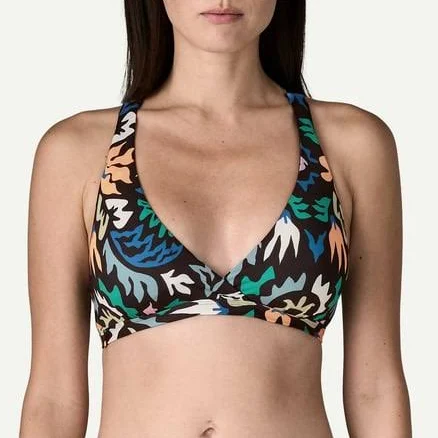
Patagonia
Patagonia Women's Bottom Turn Racerback Bikini Top
90/100 safety
Same rubric that flunked this product. The swap earned Excellent.
Still want this one anyway? Check the price on Amazon. We’d swap it.
Material
polyamide (nylon) or elastane blend swimwear
Brand disclosure
Brand is silent on PFAS
Lab data
No public lab test
What Reiss Lucia Floral-Print Halterneck is made of, ingredients and materials
This swimsuit is a polyamide (nylon) and elastane blend, the industry standard for swimwear construction. Polyamide provides durability and stretch recovery; elastane adds elasticity. Neither material inherently leaches toxic compounds into skin under normal wear, though elastane is a synthetic polyurethane that can degrade with UV and chlorine exposure over time, potentially releasing trace breakdown products. The floral print involves fabric dyes and pigments applied during manufacturing, which is where heavy-metal or azo-dye contamination could theoretically occur, though reputable brands typically screen for this.
What’s concerning
Category baseline
The starting point for this type of product, before anything specific to this product is counted.
No PFAS disclosure
No public statement from the brand about PFAS in this product.
Heavy metals
Floral-print dyes could theoretically contain restricted azo dyes or trace heavy metals (lead, cadmium) if manufacturing did not comply with EU/REACH standards. Reiss's manufacturing region and dye supplier practices are not publicly disclosed, so risk cannot be ruled out, though mainstream fashion brands typically meet EU limits.
Source, FDA ↗Elastane (spandex) degradation and microfiber shedding
Elastane component will gradually degrade with UV, chlorine, and heat exposure over multiple wash cycles, particularly after 2-3 seasons. Degradation can increase microfiber shedding into water; frequency and quantity depend on care practices and how often garment is used.
Formaldehyde / VOCs
Polyamide textiles may contain low levels of formaldehyde-releasing resins used for wrinkle resistance or dye fixation. Levels in mainstream swimwear are typically below regulatory thresholds, but off-gassing can occur during first wash if finishing treatments were not fully neutralized.
Source, ATSDR ↗Skin irritation from dyes, optical brighteners, or residual processing chemicals
Polyamide swimwear has documented instances of mild skin irritation, rash, or contact dermatitis in sensitive individuals, attributable to residual dyes, optical whiteners, or sulfate-based finishes not fully rinsed post-manufacture. Thorough pre-wear rinse mitigates this risk substantially.
What’s reassuring
Base material not linked to PFAS
The main material recorded for this product is not one associated with PFAS.
The full breakdown
The brand's record and disclosure
Reiss is a UK-based contemporary fashion brand with no major public product safety recalls or documented chemical-safety scandals on record for swimwear. The brand maintains silent public stance on PFAS and does not prominently disclose chemical-management certifications (e.g., GOTS, Bluesign+). This absence of transparency is typical for mainstream fashion brands and does not indicate misconduct, but limits independent verification of supply-chain practices. No third-party testing data or certifications specific to this swimsuit line are available.
How it compares in its category
Standard polyamide swimwear from established fashion retailers like Reiss carries similar material-chemistry profile to competitors (Speedo, Banana Republic, J.Crew). Most brands in this tier do not pursue premium certifications or publish chemical testing. The floral print finish is more prone to dye-fading and potential pigment leaching than solid colorways, but this risk remains low with mainstream dyes. Reiss's positioning as premium-contemporary means stricter manufacturing controls than fast-fashion alternatives, though without certification this cannot be independently verified.
If you buy it
Rinse swimsuit thoroughly in fresh water immediately after each wear to remove salt, chlorine, and sunscreen residues that accelerate elastane breakdown. Air-dry flat away from direct sunlight to preserve elastane elasticity and dye stability; never machine-dry or heat-press. Replace after 2-3 seasons of regular use or when elastic loses recovery, as degraded elastane may shed microfiber particulates. Avoid prolonged storage in humid, warm conditions, which accelerates material decomposition and mold growth.
What we don’t know
- Basis
- Model estimate, 72% confidence, not a lab result
- Lab test
- None on record for this exact product
- Brand statement
- Reiss has made none
Formulations change between production runs, so check the current label. How we grade.
Better-graded alternatives in Swimwear
Patagonia
Women's Bottom Turn Racerback Bikini Top
- Nylon/polyester blend with elastane (standard swimwear)
- The brand calls it PFAS-free, which we have not verified
- Elastane (spandex) degradation under heat or chlorine
More swimwear grades
How we score, every product runs through the same public 0-100 rubric based on materials, coatings, brand disclosure, lab findings, and recalls. See the full methodology → Spotted a mistake? Report an error.