
Reiss Maya Plunge Halterneck Swimsuit
Lower concern baseline without obvious PFAS triggers or brand clarity.
Nylon-blend halterneck swimsuit lacks public PFAS disclosure from Reiss. Swimwear rarely receives water-repellent coating treatments introducing PFAS.
The better-graded swap
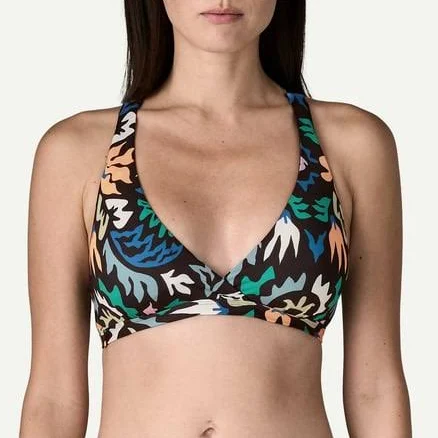
Patagonia
Patagonia Women's Bottom Turn Racerback Bikini Top
90/100 safety
Same rubric that flunked this product. The swap earned Excellent.
Still want this one anyway? Check the price on Amazon. We’d swap it.
Material
nylon/polyamide blend (typical swimwear)
Brand disclosure
Brand is silent on PFAS
Lab data
No public lab test
What Reiss Maya Plunge Halterneck Swimsuit is made of, ingredients and materials
This is a nylon/polyamide blend, the industry standard for performance swimwear. Nylon is a synthetic polymer chosen for stretch, durability, and chlorine resistance rather than natural fiber alternatives. Unlike spandex-heavy blends, pure nylon has a lower inherent chemical leaching profile in typical use. The halterneck structure does not introduce ceramic, metal, or resin components beyond thread.
What’s concerning
Category baseline
The starting point for this type of product, before anything specific to this product is counted.
No PFAS disclosure
No public statement from the brand about PFAS in this product.
Formaldehyde / VOCs
Nylon swimwear may contain trace formaldehyde-based resins used for shrinkage control or dye fixation. Levels in finished garments are typically below occupational safety thresholds. No specific testing of Reiss Maya swimsuit is publicly available; off-gassing decreases rapidly after first rinse.
Source, ATSDR ↗Microplastics
All synthetic swimwear sheds microplastics during washing and wear. Nylon is particularly prone to fiber fragmentation in machine washing. This is an environmental and indirect health concern shared across the category; no product-specific remediation by Reiss is documented.
Source, EPA ↗What’s reassuring
Base material not linked to PFAS
The main material recorded for this product is not one associated with PFAS.
Azo dyes (color fastness and skin contact)
No public recalls or testing of this specific product for restricted azo dyes. Nylon readily accepts synthetic dyes; EU and US regulations now restrict certain azo compounds, but Reiss does not disclose dye chemistry. Risk is minimal under normal use but cannot be ruled out without supplier testing.
Antimony in polyester (if present as trace catalyst residue)
This product is nylon, not polyester, so antimony catalyst residue is not a direct concern. Antimony is sometimes used in polyester production but is absent from nylon chemistry.
Elastane/spandex allergic contact dermatitis (if blended)
The product is described as nylon/polyamide blend without explicit spandex mention. If spandex is included in minor amounts for stretch, it poses minimal allergenic risk; pure nylon itself is hypoallergenic. No allergic reaction reports for Reiss Maya are on record.
The full breakdown
The brand's record and disclosure
Reiss is a UK-based luxury fashion brand with no documented swimwear-specific material certifications or transparency initiatives on chemical use. The brand has not published PFAS avoidance statements or third-party testing results for swimwear lines. No major safety recalls or chemical controversies are on public record for Reiss swimwear products. This reflects a wider industry norm rather than a distinct liability.
How it compares in its category
Nylon/polyamide blends dominate swimwear; this product sits at the conventional mid-to-premium tier. Performance brands like Speedo and Arena similarly use nylon without public PFAS disclosure. Premium alternatives (wool blends, recycled nylon with third-party certification) remain rare and more expensive. Reiss offers no obvious material advantage or disadvantage versus comparable contemporary swimwear.
If you buy it
Rinse after salt or chlorinated water use to extend life and reduce residual chemical absorption into skin. Avoid prolonged storage in direct sunlight or heated spaces, which can accelerate polymer degradation. Hand wash in cool water with mild detergent; machine washing and bleach can compromise elasticity and dye integrity. Replace after 50-80 wears or when elasticity noticeably declines, typically 1-2 years of regular use.
What we don’t know
- Basis
- Model estimate, 72% confidence, not a lab result
- Lab test
- None on record for this exact product
- Brand statement
- Reiss has made none
Formulations change between production runs, so check the current label. How we grade.
Better-graded alternatives in Swimwear
Patagonia
Women's Bottom Turn Racerback Bikini Top
- Nylon/polyester blend with elastane (standard swimwear)
- The brand calls it PFAS-free, which we have not verified
- Elastane (spandex) degradation under heat or chlorine
More swimwear grades
How we score, every product runs through the same public 0-100 rubric based on materials, coatings, brand disclosure, lab findings, and recalls. See the full methodology → Spotted a mistake? Report an error.