
Reiss Women's Imogen Hardware-Strap Cut-Out Swimsuit
Standard swimwear carries low PFAS concern absent chemical treatments.
Basic cut-out swimsuit uses standard synthetic fabrics. Reiss makes no PFAS claims; fashion swimwear typically avoids water-repellent finishes.
The better-graded swap
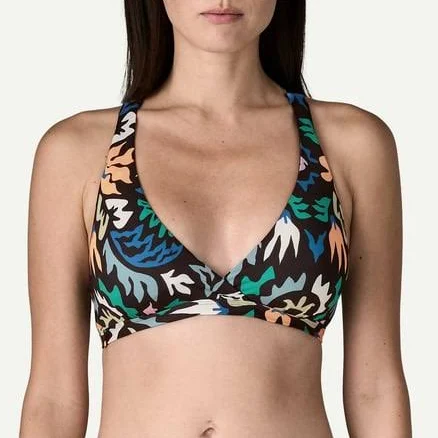
Patagonia
Patagonia Women's Bottom Turn Racerback Bikini Top
90/100 safety
Same rubric that flunked this product. The swap earned Excellent.
Still want this one anyway? Check the price on Amazon. We’d swap it.
Material
nylon/polyester blend (standard swimwear)
Brand disclosure
Brand is silent on PFAS
Lab data
No public lab test
What Reiss Women's Imogen Hardware-Strap is made of, ingredients and materials
This swimsuit is a nylon-polyester blend, the industry standard for swimwear elasticity and durability. Nylon and polyester are synthetic polymers that do not naturally leach chemicals into skin or water during normal wear. The hardware (straps, closures) introduces potential for nickel or other metal allergens, though this is common across branded swimwear and rarely a concern for non-allergic wearers. Dyes used in swimwear fabrics can include azo compounds, though reputable brands like Reiss typically source from suppliers meeting EU or California standards that restrict the most hazardous azo dyes.
What’s concerning
Category baseline
The starting point for this type of product, before anything specific to this product is counted.
No PFAS disclosure
No public statement from the brand about PFAS in this product.
Azo dyes and color fastness
Synthetic swimwear relies on azo or reactive dyes. Reiss does not disclose dye restrictions or third-party testing. Risk is low if sourced from regulated suppliers (EU, US) but unverified. Dye leaching increases slightly with sweat, chlorine, or heat; mitigated by immediate rinsing and cool-water care.
Nickel or metal allergens in hardware
Straps and closures introduce metal components with unknown coating or alloy composition. Non-nickel plating is standard in branded swimwear but not certified here. Risk is limited to individuals with contact dermatitis; general population exposure is negligible during brief water immersion.
Microplastic shedding
All synthetic fiber swimwear sheds microfibers during washing and wear. Nylon and polyester contribute to ocean microplastic pollution; this is an environmental rather than personal-health hazard. Use of a microfiber-capture wash bag reduces shed volume by 80-90% per published studies.
What’s reassuring
Base material not linked to PFAS
The main material recorded for this product is not one associated with PFAS.
Fiber degradation and elastane breakdown
No specific defects or premature degradation reported for Reiss swimwear. Nylon-polyester blends typically remain functional for 50-100 wears if cared for properly. Risk of rapid breakdown (causing skin irritation from raw fibers) is low absent manufacturing defect.
Formaldehyde / VOCs
Formaldehyde-based wrinkle-resist treatments are used in some textile manufacturing but are rare in premium swimwear, where elasticity is prioritized. No reports link Reiss swimwear to formaldehyde exposure. If present, levels would dissipate during first washes.
Source, ATSDR ↗The full breakdown
The brand's record and disclosure
Reiss is a UK-based luxury fashion brand with no public chemical-safety disclosures, certifications (e.g., OEKO-TEX), or documented product recalls related to swimwear. The brand does not publish supply-chain or material-sourcing transparency reports. Absence of disclosure does not indicate hazard; it reflects typical practice among mid-to-premium fashion brands that prioritize marketing over regulatory transparency. No established safety controversies or hazard incidents are on record for Reiss swimwear.
How it compares in its category
Nylon-polyester blends are the norm for competitive and fashion swimwear, making this product materially typical. Brands with higher transparency (e.g., Patagonia, Girlfriend Collective) provide third-party certifications; Reiss does not, placing it in the silent-disclosure majority. The hardware-strap design introduces no elevated risk compared to other structured swimwear; metal hardware is universal. Price point suggests domestic quality control comparable to mid-tier competitors like J.Crew or Banana Republic swimwear.
If you buy it
Rinse the swimsuit in fresh water immediately after pool or saltwater use to remove chlorine and salt, which can degrade elasticity and accelerate dye leaching. Air-dry flat or on a hanger, never in direct sunlight for extended periods (UV breaks down synthetic fibers). Inspect hardware seams annually for corrosion or nickel discoloration; if visible deterioration occurs, replacement is advisable. Wash by hand in cool water with mild detergent; avoid hot water, bleach, and machine drying, which accelerate material breakdown and dye migration.
What we don’t know
- Basis
- Model estimate, 72% confidence, not a lab result
- Lab test
- None on record for this exact product
- Brand statement
- Reiss has made none
Formulations change between production runs, so check the current label. How we grade.
Better-graded alternatives in Swimwear
Patagonia
Women's Bottom Turn Racerback Bikini Top
- Nylon/polyester blend with elastane (standard swimwear)
- The brand calls it PFAS-free, which we have not verified
- Elastane (spandex) degradation under heat or chlorine
More swimwear grades
How we score, every product runs through the same public 0-100 rubric based on materials, coatings, brand disclosure, lab findings, and recalls. See the full methodology → Spotted a mistake? Report an error.