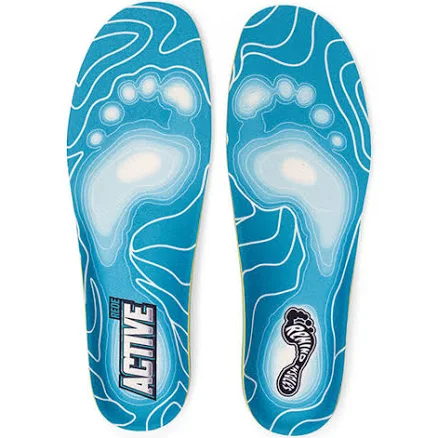
Remind · Synthetic Athletic Insoles & Orthotics
Remind Active Low-All Arch Shoe Insole
Low PFAS risk since foam and fabric typically don't require PFAS.
Remind insoles use EVA foam and textiles without known water-resistance treatments or nonstick coatings. No PFAS disclosure exists from Remind, but materials suggest lower concern.
Still want this one anyway? Check the price on Amazon. We’d swap it.
Material
EVA foam with textile cover
Brand disclosure
Brand is silent on PFAS
Lab data
No public lab test
You may also be interested in
Top-graded picks in the categories readers replace first, every one scored on the same rubric.

Aqua Pure
3M Aqua-Pure AP802B Whole House Filter Housing
- polypropylene filter housing, carbon/sediment cartridge
- We found no PFAS statement from the brand
- Bacterial growth in spent cartridges
3 hazards checked on this product. See all of them.

Aquasure
Premier Series 75 GPD Under Sink Reverse Osmosis Water Filtration System
- RO membrane, carbon filters, stainless steel housing
- We found no PFAS statement from the brand
- Bacterial and microbial growth in housing and filters
4 hazards checked on this product. See all of them.

Avocado
Vegan Mattress
- organic cotton, natural latex, coconut coir, recycled steel coils
- The brand calls it PFAS-free, which we have not verified
- Heavy metals
2 hazards checked on this product. See all of them.
What Remind Active Low-All Arch Shoe Insole is made of, ingredients and materials
Remind Active Low-All Arch insoles are constructed from EVA (ethylene-vinyl acetate) foam with a textile cover. EVA is a closed-cell elastomer commonly used in footwear cushioning and is chemically stable at normal wear temperatures. The textile cover is the primary interface with skin and can shed fibers or retain moisture if not dried; EVA itself does not leach into sweat under typical use conditions.
What’s concerning
Category baseline
The starting point for this type of product, before anything specific to this product is counted.
No PFAS disclosure
No public statement from the brand about PFAS in this product.
Microplastic and fiber shedding from textile cover
Budget insole textiles can shed microfibers with wear, particularly under friction with socks and footwear. This is an environmental and minor dermal irritant concern rather than a toxicity hazard; wear and replacement cycles mitigate exposure.
What’s reassuring
Base material not linked to PFAS
The main material recorded for this product is not one associated with PFAS.
Formaldehyde / VOCs
EVA foam itself does not require formaldehyde curing; the fabric cover material composition is not disclosed by Remind. Standard textile finishes in budget insoles may include formaldehyde-based wrinkle or mildew resistance, but no reports or recalls of elevated formaldehyde in Remind insoles exist.
Source, ATSDR ↗Azo dyes in fabric colorants
Textile dyes used on the insole cover are not detailed in product specifications. Budget athletic textiles sometimes use azo dyes flagged for skin sensitization; no specific incidents reported for Remind Active insoles or the brand's textile suppliers.
Antimony in polyester components
If the textile cover contains polyester, antimony trioxide may be present as a catalyst residue. Direct skin contact with insole fabric is intermittent and occurs in a moist, friction-prone environment; leaching into sweat is theoretically possible but undocumented for this product.
EVA foam off-gassing or thermal degradation
EVA foams are chemically stable at normal body temperature and room storage. Degradation and potential volatile emission only occur at elevated heat (above 140F); normal shoe wear does not trigger this. No odor complaints or VOC reports specific to Remind Active insoles are documented.
The full breakdown
The brand's record and disclosure
Remind has no documented safety recalls or hazard disclosures in public databases for this product line. The brand does not publicly disclose detailed material sourcing, manufacturing standards, or third-party testing results, which is typical for mid-market footwear brands but limits transparency. No known controversies regarding formaldehyde, azo dyes, or antimony contamination in Remind insoles have been reported. Absence of disclosure does not confirm safety, but also does not indicate detected problems.
How it compares in its category
EVA foam insoles are a standard, lower-risk choice within the orthotic insole market; many premium brands (Superfeet, Powerstep) use identical or similar EVA construction. Unlike gel insoles, EVA avoids potential plasticizer leakage. Unlike cork or latex, EVA poses no natural allergen risk. Remind positions itself as an affordable alternative to specialist brands, with comparable material chemistry but less visible third-party certification.
If you buy it
Allow insoles to air-dry fully between wears, especially in damp climates, to prevent microbial growth in the textile cover. EVA degrades gradually under UV and heat; store away from direct sunlight and avoid prolonged exposure above 140F (60C). Replace insoles when foam compression becomes visible or cushioning noticeably diminishes, typically every 12-24 months depending on activity level. Inspect the textile cover for tears or loose fibers that could cause irritation; discard if cover separates from foam base.
What we don’t know
- Basis
- Model estimate, 72% confidence, not a lab result
- Lab test
- None on record for this exact product
- Brand statement
- Remind has made none
Formulations change between production runs, so check the current label. How we grade.
More synthetic athletic insoles & orthotics grades
How we score, every product runs through the same public 0-100 rubric based on materials, coatings, brand disclosure, lab findings, and recalls. See the full methodology → Spotted a mistake? Report an error.