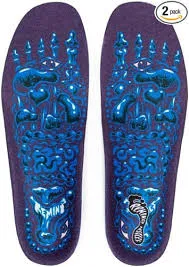
Remind · Synthetic Athletic Insoles & Orthotics
Remind Insoles (Destin)
Lower risk, though Remind does not share PFAS practices publicly.
Remind Insoles use foam cushioning that typically carries lower PFAS risk than coated textiles. No brand disclosure on PFAS or water-resistance treatments appears.
Still want this one anyway? Check the price on Amazon. We’d swap it.
Material
Foam cushioning, likely EVA or polyurethane foam
Brand disclosure
Brand is silent on PFAS
Lab data
No public lab test
You may also be interested in
Top-graded picks in the categories readers replace first, every one scored on the same rubric.

Aqua Pure
3M Aqua-Pure AP802B Whole House Filter Housing
- polypropylene filter housing, carbon/sediment cartridge
- We found no PFAS statement from the brand
- Bacterial growth in spent cartridges
3 hazards checked on this product. See all of them.

Aquasure
Premier Series 75 GPD Under Sink Reverse Osmosis Water Filtration System
- RO membrane, carbon filters, stainless steel housing
- We found no PFAS statement from the brand
- Bacterial and microbial growth in housing and filters
4 hazards checked on this product. See all of them.

Avocado
Vegan Mattress
- organic cotton, natural latex, coconut coir, recycled steel coils
- The brand calls it PFAS-free, which we have not verified
- Heavy metals
2 hazards checked on this product. See all of them.
What Remind Insoles (Destin) is made of, ingredients and materials
Remind Destin insoles use foam cushioning, most likely EVA (ethylene-vinyl acetate) or polyurethane-based foam, both common in athletic and casual footwear. These foams are engineered for shock absorption and comfort rather than chemical complexity. EVA and polyurethane foams do not typically contain heavy metals, lead, or cadmium in their base formulations, though any adhesives or colorants used in assembly warrant attention. The foam itself is unlikely to leach into skin under normal wear conditions.
What’s concerning
Category baseline
The starting point for this type of product, before anything specific to this product is counted.
No PFAS disclosure
No public statement from the brand about PFAS in this product.
Volatile organic compounds (VOCs) from foam production and adhesives
Polyurethane and EVA foams can off-gas low levels of volatile compounds, particularly when new. Wearing in ventilated shoes minimizes inhalation risk; off-gassing typically subsides within days to weeks of use.
Azo dyes in colored foam or printing
If the foam is dyed or printed with color, azo dyes could be present; however, direct skin contact risk is low because insoles sit inside shoes. No specific reports of azo dye issues in Remind insoles exist.
Microplastics
As foam breaks down over time, small particles can shed into socks or shoes. The volume and environmental/health impact of this shedding from a single insole is negligible, but it occurs in all foam insoles.
Source, EPA ↗What’s reassuring
Base material not linked to PFAS
The main material recorded for this product is not one associated with PFAS.
Formaldehyde / VOCs
No public reports of formaldehyde-containing binders in Remind insoles or competitor foam insoles. Textile-based labels or fabric toppers (if present) are more likely sources than the foam core, but Remind does not disclose component details.
Source, ATSDR ↗Allergens from adhesives or topstitching materials
Remind insoles do not carry published allergen warnings. Risk is low for most users, but those with rubber or synthetic resin sensitivities should test on skin first before extended wear.
The full breakdown
The brand's record and disclosure
Remind is a California-based footwear brand focused on comfort and lifestyle shoes; public disclosure of chemical composition or testing is limited, which is typical for the casual footwear market rather than a red flag specific to Remind. No major recalls or chemical controversies tied to Remind insoles are on public record. The brand does not prominently advertise PFAS-free status or supply-chain transparency, consistent with the broader footwear industry norm of minimal disclosure.
How it compares in its category
Foam insoles are among the lowest-complexity footwear components chemically; aftermarket insoles (Remind, Dr. Scholl's, Superfeet) share similar material profiles and disclosure gaps. Unlike molded rubber or leather insoles, foam avoids tanning chemicals or synthetic polymer plasticizers as primary concerns. Remind's positioning in mid-market comfort footwear does not suggest premium testing or certification, but also does not indicate use of banned or heavily restricted additives.
If you buy it
Wear insoles in well-ventilated shoes to avoid trapping moisture, which can degrade foam over 6-12 months and create odor (not a chemical hazard, but a hygiene issue). Do not expose insoles to direct heat sources or prolonged sunlight, which can accelerate foam breakdown. Replace when compression is visible or cushioning noticeably decreases, typically every 12-18 months depending on activity level. Hand-wash or air dry only; machine washing or high-temperature drying can damage foam structure.
What we don’t know
- Basis
- Model estimate, 72% confidence, not a lab result
- Lab test
- None on record for this exact product
- Brand statement
- Remind has made none
Formulations change between production runs, so check the current label. How we grade.
More synthetic athletic insoles & orthotics grades
How we score, every product runs through the same public 0-100 rubric based on materials, coatings, brand disclosure, lab findings, and recalls. See the full methodology → Spotted a mistake? Report an error.