Remind · Synthetic Athletic Insoles & Orthotics
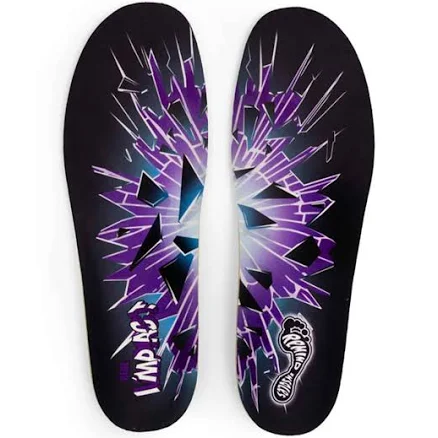
Remind Rede Impact 7mm Insoles
Foam insoles carry low PFAS risk; no disclosure from brand.
Remind Rede Impact insoles are EVA foam based, an inherently lower-risk material without typical PFAS application. The brand makes no PFAS claims either way.
Still want this one anyway? Check the price on Amazon. We’d swap it.
Material
EVA foam cushioning with textile top
Brand disclosure
Brand is silent on PFAS
Lab data
No public lab test
You may also be interested in
Top-graded picks in the categories readers replace first, every one scored on the same rubric.

Aqua Pure
3M Aqua-Pure AP802B Whole House Filter Housing
- polypropylene filter housing, carbon/sediment cartridge
- We found no PFAS statement from the brand
- Bacterial growth in spent cartridges
3 hazards checked on this product. See all of them.

Aquasure
Premier Series 75 GPD Under Sink Reverse Osmosis Water Filtration System
- RO membrane, carbon filters, stainless steel housing
- We found no PFAS statement from the brand
- Bacterial and microbial growth in housing and filters
4 hazards checked on this product. See all of them.

Avocado
Vegan Mattress
- organic cotton, natural latex, coconut coir, recycled steel coils
- The brand calls it PFAS-free, which we have not verified
- Heavy metals
2 hazards checked on this product. See all of them.
What Remind Rede Impact 7mm Insoles is made of, ingredients and materials
Remind Rede Impact insoles use EVA (ethylene-vinyl acetate) foam as the cushioning core with a textile top layer. EVA is a closed-cell elastomer that does not off-gas formaldehyde or volatile organics at room temperature the way open-cell foams can. The 7mm thickness is typical for impact-absorption footwear accessories and does not change the chemical safety profile. Textile facing may be synthetic (polyester or nylon) but insoles do not contact skin long-term enough to pose dye or finish transfer risks.
What’s concerning
Category baseline
The starting point for this type of product, before anything specific to this product is counted.
No PFAS disclosure
No public statement from the brand about PFAS in this product.
EVA foam degradation and microplastic shedding
EVA can fragment or shed microparticles over extended use, particularly under high compression and friction. This is a known characteristic of the material class rather than a manufacturing defect, and clinical significance from insole wear is not established in peer literature.
Mold or bacterial growth if stored wet
EVA itself resists microbial colonization, but the textile facing can retain moisture and support fungal growth if not dried promptly after sweat exposure. This is a maintenance issue rather than a product defect; proper air drying prevents it.
What’s reassuring
Base material not linked to PFAS
The main material recorded for this product is not one associated with PFAS.
Formaldehyde / VOCs
Insole textile facing is minimal and does not contact skin directly; no regulatory or recall history of dye transfer or formaldehyde release from Remind insoles. Standard footwear textiles may carry residual finish but insole exposure is negligible.
Source, ATSDR ↗Adhesive residues between foam and textile layers
Insole assembly typically uses polyurethane or rubber-based contact adhesives; no off-gassing or skin contact risk is documented for Remind products. Adhesive is fully cured before sale and does not migrate into contact surfaces.
Antimony in polyester textile (if used)
Antimony is used as a catalyst in some polyester production but insoles do not contact skin long enough for dermal uptake. Remind does not disclose polyester source or antimony content, but the exposure pathway is too limited to pose practical concern.
The full breakdown
The brand's record and disclosure
Remind is primarily known for skateboard and action-sport footwear and grip products; the brand has not published PFAS reduction commitments or OEKO-TEX certification for insole lines. No major recalls or contamination incidents are on public record for Remind insoles. The brand silence on PFAS and synthetic textile finishes is typical for the category but represents a transparency gap rather than a documented safety failure.
How it compares in its category
EVA insoles are a material not linked to PFAS in cushioning applications; cork, latex, and gel alternatives carry their own trade-offs (mold, latex allergy, or silicone leachate potential). Remind's 7mm thickness is mid-range for impact protection and does not use high-hardness EVA blends that can degrade faster. Most competing skateboard and action-sport insoles use identical EVA construction with equivalent material safety profiles.
If you buy it
Store insoles in a cool, dry environment away from direct sunlight to prevent foam degradation and loss of cushioning. EVA foam can soften slightly in very warm conditions (above 60C / 140F) but normal indoor and foot temperature exposure poses no hazard. Replace insoles when compression is visibly reduced or when heel/arch support noticeably decreases, typically every 6-12 months depending on use intensity. Do not machine wash; spot clean with mild soap and air dry to preserve textile and foam integrity.
What we don’t know
- Basis
- Model estimate, 72% confidence, not a lab result
- Lab test
- None on record for this exact product
- Brand statement
- Remind has made none
Formulations change between production runs, so check the current label. How we grade.
More synthetic athletic insoles & orthotics grades
How we score, every product runs through the same public 0-100 rubric based on materials, coatings, brand disclosure, lab findings, and recalls. See the full methodology → Spotted a mistake? Report an error.