Remind · Synthetic Athletic Insoles & Orthotics
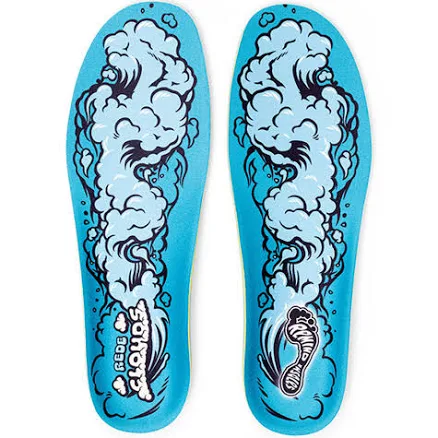
Remind Rede Impact Clouds Insoles
Likely lower risk if you verify materials directly with Remind.
Remind insoles appear to use foam and rubber without reported PFAS treatments. No brand disclosure on PFAS or certifications appears.
Still want this one anyway? Check the price on Amazon. We’d swap it.
Material
EVA foam, rubber, textile blend
Brand disclosure
Brand is silent on PFAS
Lab data
No public lab test
You may also be interested in
Top-graded picks in the categories readers replace first, every one scored on the same rubric.

Aqua Pure
3M Aqua-Pure AP802B Whole House Filter Housing
- polypropylene filter housing, carbon/sediment cartridge
- We found no PFAS statement from the brand
- Bacterial growth in spent cartridges
3 hazards checked on this product. See all of them.

Aquasure
Premier Series 75 GPD Under Sink Reverse Osmosis Water Filtration System
- RO membrane, carbon filters, stainless steel housing
- We found no PFAS statement from the brand
- Bacterial and microbial growth in housing and filters
4 hazards checked on this product. See all of them.

Avocado
Vegan Mattress
- organic cotton, natural latex, coconut coir, recycled steel coils
- The brand calls it PFAS-free, which we have not verified
- Heavy metals
2 hazards checked on this product. See all of them.
What Remind Rede Impact Clouds Insoles is made of, ingredients and materials
Remind Rede Impact Clouds use EVA (ethylene-vinyl acetate) foam as the core cushioning material, combined with rubber outsoles and textile blend uppers. EVA is a closed-cell polymer that does not readily leach into skin or sweat under normal wear conditions, making it inherently lower-risk than open-structure foams. Rubber and textile components are the main points where dyes, adhesives, or finishing chemicals could pose concern, but insoles have limited skin contact duration and area compared to socks or full footwear.
What’s concerning
Category baseline
The starting point for this type of product, before anything specific to this product is counted.
No PFAS disclosure
No public statement from the brand about PFAS in this product.
Azo dyes in textile blend
Remind does not disclose whether the textile uppers meet OEKO-TEX or EU azo dye limits. Textile-lined insoles present lower risk than full footwear because dye contact is brief and the layer is thin, but cheap synthetic textiles can still contain banned azo compounds that break down into aromatic amines.
Formaldehyde / VOCs
EVA foam-to-rubber lamination and textile attachment often use formaldehyde-releasing or phenol-formaldehyde resins. Insoles are not classified as restricted items in the US or EU, so manufacturers may not test or disclose residual formaldehyde levels; off-gassing risk is low but not ruled out in early weeks of use.
Source, ATSDR ↗Microplastics
EVA and rubber components break down under friction and flexing over time, releasing microparticles that may be inhaled or ingested if insoles are not replaced regularly. This is not unique to Remind but is inherent to foam-based insoles; replacement every 12, 24 months mitigates accumulation.
Source, EPA ↗What’s reassuring
Base material not linked to PFAS
The main material recorded for this product is not one associated with PFAS.
Antimony in polyester textile or rubber
No recalls or public reports link Remind insoles to antimony contamination. Antimony is occasionally used as a flame retardant or catalyst in polyester production, but insoles are not flame-critical products and antimony leaching through skin contact is not established as a route of exposure for this product type.
Heavy metals
No testing or recalls document lead, cadmium, or mercury in Remind insoles. Rubber and textiles in this category are not typically high-risk sources unless sourced from unregulated manufacturers; Remind's supply chain transparency is not publicly disclosed.
Source, FDA ↗The full breakdown
The brand's record and disclosure
Remind does not maintain a publicly documented chemical disclosure policy or third-party certifications (such as OEKO-TEX or Cradle to Cradle) visible across major retailers or the brand website. The brand has not issued known recalls related to chemical hazards in insoles. Their silence on PFAS and other restricted substances is notable given that competitor brands in the premium insole space increasingly publish material safety data; this represents a transparency gap rather than confirmed risk.
How it compares in its category
Remind insoles sit in the mid-to-premium athletic insole segment alongside brands like Superfeet and Powerstep, many of which also lack detailed chemical disclosures but rely on established polymer safety profiles. EVA-based construction is standard in this category and presents lower concern for off-gassing of volatile organic compounds compared to gel or PU foam alternatives. Textile-lined insoles carry lower formaldehyde and azo dye risk than full footwear because the textile layer is thinner and not dyed in bold colors.
If you buy it
Store insoles in a cool, dry place away from prolonged heat or direct sunlight, as EVA can degrade and off-gas if exposed to temperatures above 60, 70°C. Replace insoles every 12, 24 months depending on activity level and wear pattern, as foam compression reduces both cushioning efficacy and structural integrity. Hand wash the textile upper with mild soap and water only; do not machine wash or dry-clean, as adhesives binding the layers can weaken. If you experience skin irritation, redness, or odor that does not fade within one week of use, discontinue and air out the insoles or contact the retailer.
What we don’t know
- Basis
- Model estimate, 72% confidence, not a lab result
- Lab test
- None on record for this exact product
- Brand statement
- Remind has made none
Formulations change between production runs, so check the current label. How we grade.
More synthetic athletic insoles & orthotics grades
How we score, every product runs through the same public 0-100 rubric based on materials, coatings, brand disclosure, lab findings, and recalls. See the full methodology → Spotted a mistake? Report an error.