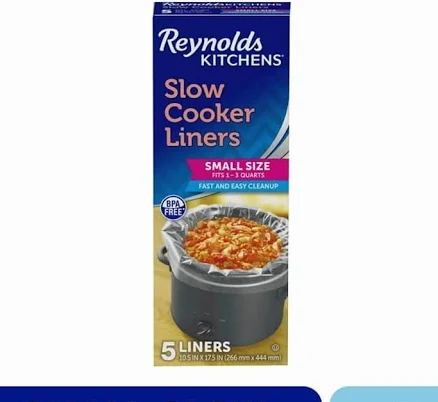
(2 pack) Reynolds Kitchens Slow Cooker Liners, Small (1-3 quart), 5 Count
Lower PFAS concern; basic plastic unlikely to contain PFAS.
These polyethylene liners are simple plastic bags for slow cookers, not nonstick coatings or waterproof treatments typically treated with PFAS. Reynolds hasn't confirmed PFAS status, but uncoated plastic liners carry lower inherent risk.
The better-graded swap
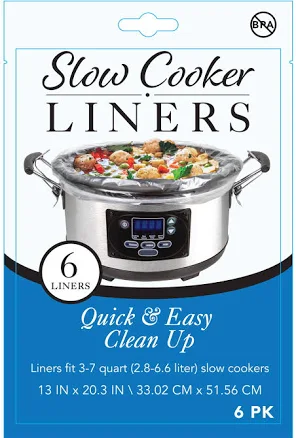
Slow Cooking Liners
90/100 safety
Same rubric that flunked this product. The swap earned Excellent.
Still want this one anyway? Check the price on Amazon. We’d swap it.
Material
polyethylene/plastic liner
Lab data
No public lab test
You may also be interested in
Top-graded picks in the categories readers replace first, every one scored on the same rubric.

- polypropylene filter housing, carbon/sediment cartridge
- We found no PFAS statement from the brand
- Bacterial growth in spent cartridges
3 hazards checked on this product, all on its full breakdown.

Aquasure
Premier Series 75 GPD Under Sink Reverse Osmosis Water Filtration System
- RO membrane, carbon filters, stainless steel housing
- We found no PFAS statement from the brand
- Bacterial and microbial growth in housing and filters
4 hazards checked on this product, all on its full breakdown.

Avocado
Vegan Mattress
- organic cotton, natural latex, coconut coir, recycled steel coils
- The brand calls it PFAS-free, which we have not verified
- Heavy metals
2 hazards checked on this product, all on its full breakdown.
What (2 pack) Reynolds Kitchens Slow Count is made of, ingredients and materials
Reynolds Slow Cooker Liners are made from food-grade polyethylene (PE), a thermoplastic that is chemically stable and does not leach plasticizers like BPA or phthalates under normal use. Polyethylene is a plastic for food contact with lower concern because it contains no intentional additives designed to soften or preserve flexibility. The liner is designed as a single-use, disposable insert that sits between food and the ceramic or metal slow-cooker bowl, not as direct heat-resistant cookware itself.
What’s concerning
Category baseline
The starting point for this type of product, before anything specific to this product is counted.
No PFAS disclosure
No public statement from the brand about PFAS in this product.
Polyethylene integrity failure (tearing, leaching)
If a liner ruptures during cooking, food contact with the slow-cooker surface occurs and the convenience benefit is lost. Sustained exposure to temperatures above 180°F can degrade polyethylene structure; normal slow-cooker operation (180-210°F) presents lower concern than prolonged high-heat use, which may cause small molecule release.
Microplastic release under heating
Single-use polyethylene liners in contact with hot, acidic, or oily foods may shed microscopic plastic particles over extended cooking times (4-8 hours). Risk is low but not zero; liners that remain intact and are not reused minimize accumulation.
Off-gassing or odor release
Some users report a faint plastic smell when first opening or heating new liners; this is typical of virgin polyethylene and dissipates quickly. No documented toxicological concern; odor indicates residual production volatiles, not hazardous off-gassing.
What’s reassuring
Base material not linked to PFAS
The main material recorded for this product is not one associated with PFAS.
BPA & bisphenols
Polyethylene does not typically contain BPA or BPS; these are used in polycarbonate and epoxy resins. Reynolds liners are formulated without intentional BPA additives. No recalls or safety alerts on record for this product line.
Source, FDA ↗Phthalate plasticizers
Polyethylene achieves flexibility through carbon-chain structure, not plasticizer chemicals like phthalates (which are common in PVC and some PET products). Reynolds slow-cooker liners contain no documented phthalate additives.
How is this PFAS grade calculated?
The brand's record and disclosure
Reynolds is a subsidiary of Conagra Brands and has maintained FDA clearance for food-contact plastics without documented safety controversies or major recalls related to these liners. The company does not publicly disclose detailed chemical composition or third-party testing results, which is typical for this product category but limits transparency. No established reports of formaldehyde, heavy metals, or antimicrobial additives in Reynolds slow-cooker liners exist in public records.
How it compares in its category
Slow-cooker liners (including Reynolds, Crock-Pot branded, and generic polyethylene versions) are functionally equivalent and all use similar PE film construction. Reynolds is a market leader and has slightly higher brand consistency; generic equivalents carry the same material chemistry risk profile. The disposable-liner category inherently avoids the ceramic-glaze, Teflon-type coating, or aluminum-leaching risks associated with traditional cookware liners.
If you buy it
Use liners only in slow cookers set to low or high heat (not direct flame); polyethylene softens and can rupture above 180-200°F sustained temperatures. Replace the liner if visible tears, discoloration, or strong odors develop during cooking. Do not reuse liners; they are designed as single-use to prevent bacterial growth and material degradation. Store unused liners in a cool, dry place away from direct sunlight to prevent brittleness.
What is not known about PFAS in this product?
- Basis
- Model estimate, 72% confidence, not a lab result
- Lab test
- None on record for this exact product
- Brand statement
- Reynolds has made a specific claim
Formulations change between production runs, so check the current label. How we grade.
What are the PFAS-free alternatives to (2 pack) Reynolds Kitchens Slow Cooker Liners, Small (1-3 quart), 5 Count?
Slow Cooking Liners
- Unbleached parchment paper
- The brand calls it PFAS-free, which we have not verified
- Thermal degradation and smoke release
2 hazards checked on this product, all on its full breakdown.
More slow cooker liners grades
How we score, every product runs through the same public 0-100 rubric based on materials, coatings, brand disclosure, lab findings, and recalls. See the full methodology → Spotted a mistake? Report an error.