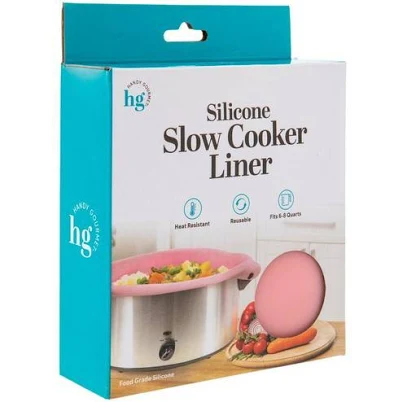
Crock-Pot · Slow Cooker Liners
Crock-Pot Kitchen Slow Cooker Liner
Skip until Crock-Pot discloses coating chemistry.
These nylon or polyester liners have an unspecified coating to prevent sticking and ease cleanup. Crock-Pot won't say if the coating contains PFAS or alternatives.
The better-graded swap
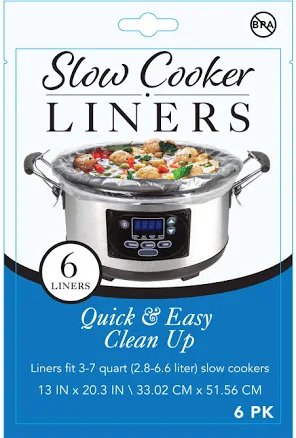
Slow Cooking Liners
90/100 safety
Same rubric that flunked this product. The swap earned Excellent.
Still want this one anyway? Check the price on Amazon. We’d swap it.
Material
nylon or polyester liner with unspecified coating
Brand disclosure
Brand is silent on PFAS
Lab data
No public lab test
You may also be interested in
Top-graded picks in the categories readers replace first, every one scored on the same rubric.

- polypropylene filter housing, carbon/sediment cartridge
- We found no PFAS statement from the brand
- Bacterial growth in spent cartridges
3 hazards checked on this product, all on its full breakdown.

Aquasure
Premier Series 75 GPD Under Sink Reverse Osmosis Water Filtration System
- RO membrane, carbon filters, stainless steel housing
- We found no PFAS statement from the brand
- Bacterial and microbial growth in housing and filters
4 hazards checked on this product, all on its full breakdown.

Avocado
Vegan Mattress
- organic cotton, natural latex, coconut coir, recycled steel coils
- The brand calls it PFAS-free, which we have not verified
- Heavy metals
2 hazards checked on this product, all on its full breakdown.
What Crock-Pot Kitchen Slow Cooker Liner is made of, ingredients and materials
Crock-Pot liners are typically nylon or polyester fabric with an unspecified non-stick or water-resistant coating applied to the interior surface. The coating composition is not disclosed publicly, which is the primary safety concern, nonstick coatings on fabric liners are commonly Teflon-type coating-based or contain Teflon-type coating alternatives, both of which carry PFAS contamination risk. The nylon or polyester substrate itself is stable under normal slow-cooker temperatures (200-300°F), but degradation or leaching depends entirely on the hidden coating formulation.
What’s concerning
Category baseline
The starting point for this type of product, before anything specific to this product is counted.
No PFAS disclosure
No public statement from the brand about PFAS in this product.
Non-stick, chemistry undisclosed
Marketed as non-stick without stating the coating chemistry.
Teflon-type coating fume risk (from unspecified nonstick coating)
If the coating contains Teflon-type coating or similar Teflon-family coating, overheating above 400-500°F can release perfluorooctanoic acid (PFOA) or other volatile fluorinated compounds. Slow cookers typically operate below this threshold, but accidental high heat or direct flame contact could trigger fume release. Crock-Pot's refusal to disclose coating type makes this risk unquantifiable.
Microplastic or fiber shedding
Repeated use and washing can degrade nylon or polyester fibers, especially if the coating cracks or peels. Small fibers may migrate into food, particularly with acidic or fatty dishes that soften coatings. Visible wear is the primary indicator; replacement is the mitigation.
Coating delamination or degradation over time
Nonstick coatings on fabric liners are inherently prone to wear, especially under repeated thermal cycling and washing. As coatings fail, the underlying nylon or polyester becomes exposed and can leach oligomers or dyes into food. No published durability data from Crock-Pot exists to guide replacement intervals.
PFAS
The 'non-stick' or 'heat-resistant' claims strongly suggest fluorinated compounds are used. PFAS migrate into food, especially fatty or acidic contents. Without composition disclosure, this hazard cannot be ruled out and should be treated as present until proven otherwise.
Source, ATSDR ↗What’s reassuring
Azo dyes or colorants in the fabric substrate
Nylon and polyester used in food-contact liners are typically food-grade and tested for migration, but Crock-Pot does not publish colorant or dye specifications. Unlikely to be a hazard at normal temperatures, but no third-party verification is available.
How is this PFAS grade calculated?
The brand's record and disclosure
Crock-Pot has not published ingredient disclosures, PFAS testing, or third-party certifications for slow-cooker liners. The brand has faced no major recalls or documented safety controversies specific to liners, but silence on coating chemistry in a non-stick product is inconsistent with modern transparency standards in food-contact materials. Consumers cannot verify safety claims because none are publicly made.
How it compares in its category
Most slow-cooker liners use similar nylon or polyester with nonstick coatings; few brands disclose composition. Uncoated fabric liners (rare and harder to find) eliminate the coating hazard entirely but reduce non-stick performance. Glass slow-cooker bowls avoid the liner question altogether but are more fragile and expensive. Crock-Pot liners offer convenience but lack transparency that competitors like some store brands have begun providing.
If you buy it
Never exceed 400°F; most slow-cooker liners degrade or release fumes above this point. Replace liners after 50-100 uses or if you see discoloration, peeling, or visible wear. Avoid acidic or fatty foods prolonged contact if possible, as these can accelerate coating breakdown. Hand wash liners rather than machine washing, and inspect them before each use for tears that could allow food contact with the underlying fabric.
What is not known about PFAS in this product?
- Basis
- Model estimate, 35% confidence, not a lab result
- Lab test
- None on record for this exact product
- Brand statement
- Crock-Pot has made none
Formulations change between production runs, so check the current label. How we grade.
What are the PFAS-free alternatives to Crock-Pot Kitchen Slow Cooker Liner?
Slow Cooking Liners
- Unbleached parchment paper
- The brand calls it PFAS-free, which we have not verified
- Thermal degradation and smoke release
2 hazards checked on this product, all on its full breakdown.
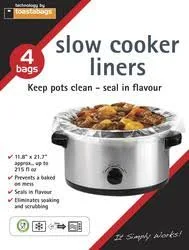
Slow Cooker Liners - 4 Pack
- Plastic (polyethylene or similar polymer liner)
- We found no PFAS statement from the brand
- Microplastic shedding during heating
2 hazards checked on this product, all on its full breakdown.
Find an alternative on Amazon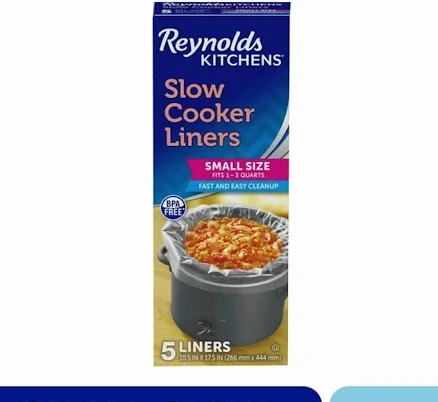
- polyethylene/plastic liner
- Polyethylene integrity failure (tearing, leaching)
3 hazards checked on this product, all on its full breakdown.
Find an alternative on AmazonMore slow cooker liners grades
How we score, every product runs through the same public 0-100 rubric based on materials, coatings, brand disclosure, lab findings, and recalls. See the full methodology → Spotted a mistake? Report an error.