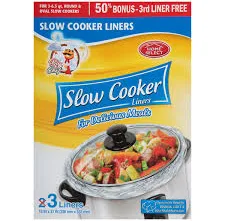
Home Select Slow Cooker Liners
Skip until Kroger reveals coating; choose uncoated parchment instead.
These single-use fabric liners have unspecified coating composition. Kroger won't detail whether the non-stick or water-resistant treatment uses PFAS-based chemistry.
The better-graded swap
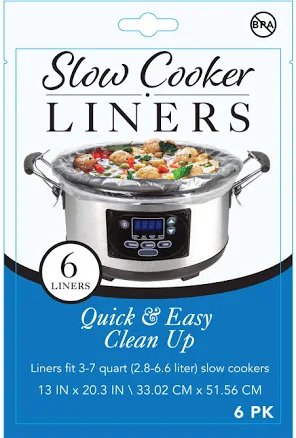
Slow Cooking Liners
90/100 safety
Same rubric that flunked this product. The swap earned Excellent.
Still want this one anyway? Check the price on Amazon. We’d swap it.
Material
nylon or polyester fabric, coating unspecified
Brand disclosure
Brand is silent on PFAS
Lab data
No public lab test
You may also be interested in
Top-graded picks in the categories readers replace first, every one scored on the same rubric.

- polypropylene filter housing, carbon/sediment cartridge
- We found no PFAS statement from the brand
- Bacterial growth in spent cartridges
3 hazards checked on this product, all on its full breakdown.

Aquasure
Premier Series 75 GPD Under Sink Reverse Osmosis Water Filtration System
- RO membrane, carbon filters, stainless steel housing
- We found no PFAS statement from the brand
- Bacterial and microbial growth in housing and filters
4 hazards checked on this product, all on its full breakdown.

Avocado
Vegan Mattress
- organic cotton, natural latex, coconut coir, recycled steel coils
- The brand calls it PFAS-free, which we have not verified
- Heavy metals
2 hazards checked on this product, all on its full breakdown.
What Home Select Slow Cooker Liners is made of, ingredients and materials
Slow cooker liners are fabric (nylon or polyester blend) with an unspecified coating, likely designed to provide non-stick and heat resistance. The coating chemistry is critical because slow cooker liners experience prolonged, moist heat (typically 190-300°F), which can accelerate degradation or leaching from synthetic polymer coatings. Without manufacturer specification of the coating type, it's impossible to rule out problematic substances like Teflon-type coating (Teflon, which releases fumes above 500°F, less of a risk here but still a concern), silicone (generally inert), or water-resistant compounds that may include PFAS or other chemicals.
What’s concerning
Category baseline
The starting point for this type of product, before anything specific to this product is counted.
No PFAS disclosure
No public statement from the brand about PFAS in this product.
Non-stick, chemistry undisclosed
Marketed as non-stick without stating the coating chemistry.
Unspecified synthetic coating composition
The coating is not named by Kroger. It may contain silicone, Teflon-type coating (rare in liners but possible), or water-repellent chemicals including PFAS alternatives; thermal stability and migration risk cannot be assessed without disclosure.
Nylon/polyester thermal degradation
Nylon and polyester can degrade at prolonged high heat (above 250-300°F), potentially releasing oligomers or monomers into food; slow cookers typically operate at safe temperatures, but prolonged use on high setting approaches risk zones.
Coating delamination and microfiber shedding
If the coating separates from the fabric (due to repeated washing, thermal cycling, or moisture), small fragments may shed into food; no specific recalls for this product are recorded, but it is a known failure mode for fabric-based food-contact items.
Bacterial or mold growth if mishandled
If liners are not fully dried after washing or stored damp, the fabric-coating system can harbor microbial growth; this is a storage and maintenance issue rather than a material hazard, but relevant to proper use.
What’s reassuring
Dye migration (azo dyes in polyester base fabric)
Polyester textiles may use azo dyes, which are restricted in EU but permitted in US food-contact fabrics if non-allergenic variants are used; Kroger does not specify dye type, but slow cooker liners are typically white or neutral, minimizing dye concern.
How is this PFAS grade calculated?
The brand's record and disclosure
Kroger has not publicly disclosed the coating composition of these liners or made statements about PFAS avoidance in food-contact products. The brand does not appear to hold third-party certifications (e.g., Oeko-Tex, GOTS) for this product that would independently verify chemical safety. Kroger's silence on material transparency for a food-contact item is a yellow flag, especially given slow cooker liners' direct contact with hot food and liquid.
How it compares in its category
Slow cooker liners are largely unregulated beyond FDA food-contact guidelines, and most brands (including Reynolds, Crock-Pot, generic retailers) do not publish detailed coating specifications. The brand is a Kroger house brand with minimal third-party vetting compared to name brands that sometimes invite lab testing or external audits. Alternatives like bare ceramic or glass slow cooker inserts eliminate the coating question entirely, though liners offer convenience.
If you buy it
Do not use liners above the slow cooker's maximum recommended temperature (typically 300°F on low, higher on high); stay well below 400°F to avoid any risk from coatings. Replace liners if you notice discoloration, peeling, or odors during use. Inspect the liner before each use for tears or degradation. Consider requesting Kroger to publish coating materials on the package or website before repurchase, as this lack of transparency is the primary safety concern.
What is not known about PFAS in this product?
- Basis
- Model estimate, 42% confidence, not a lab result
- Lab test
- None on record for this exact product
- Brand statement
- has made none
Formulations change between production runs, so check the current label. How we grade.
What are the PFAS-free alternatives to Home Select Slow Cooker Liners?
Slow Cooking Liners
- Unbleached parchment paper
- The brand calls it PFAS-free, which we have not verified
- Thermal degradation and smoke release
2 hazards checked on this product, all on its full breakdown.
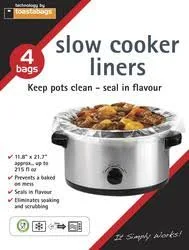
Slow Cooker Liners - 4 Pack
- Plastic (polyethylene or similar polymer liner)
- We found no PFAS statement from the brand
- Microplastic shedding during heating
2 hazards checked on this product, all on its full breakdown.
Find an alternative on Amazon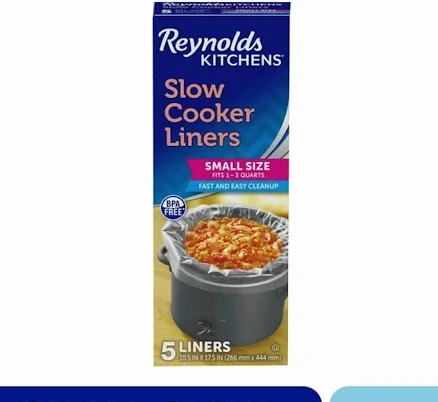
- polyethylene/plastic liner
- Polyethylene integrity failure (tearing, leaching)
3 hazards checked on this product, all on its full breakdown.
Find an alternative on AmazonMore slow cooker liners grades
How we score, every product runs through the same public 0-100 rubric based on materials, coatings, brand disclosure, lab findings, and recalls. See the full methodology → Spotted a mistake? Report an error.