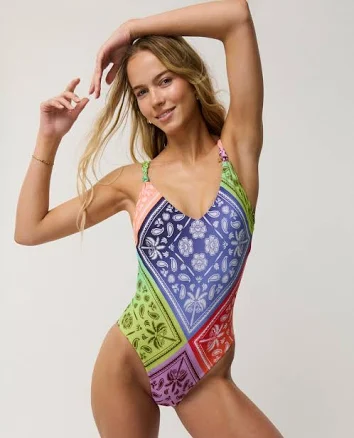
Rip Curl Women's Bossa Nova One-Piece Swimsuit
Moderate PFAS concern, swimwear water-repellent coating finishes often contain PFAS; Rip Curl makes no public disclosure.
Bossa Nova is a nylon one-piece with water-repellent treatment, a common vector for PFAS in apparel. Rip Curl provides no public statement on PFAS use or avoidance.
The better-graded swap
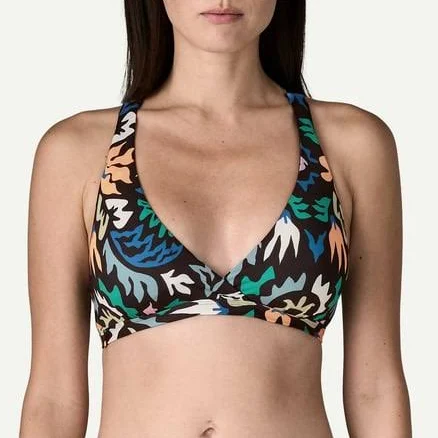
Patagonia
Patagonia Women's Bottom Turn Racerback Bikini Top
90/100 safety
Same rubric that flunked this product. The swap earned Excellent.
Still want this one anyway? Check the price on Amazon. We’d swap it.
Material
Nylon/polyamide swimsuit with water-repellent coating water-repellent finish
Brand disclosure
Brand is silent on PFAS
Lab data
No public lab test
You may also be interested in
Top-graded picks in the categories readers replace first, every one scored on the same rubric.

- polypropylene filter housing, carbon/sediment cartridge
- We found no PFAS statement from the brand
- Bacterial growth in spent cartridges
3 hazards checked on this product, all on its full breakdown.

Aquasure
Premier Series 75 GPD Under Sink Reverse Osmosis Water Filtration System
- RO membrane, carbon filters, stainless steel housing
- We found no PFAS statement from the brand
- Bacterial and microbial growth in housing and filters
4 hazards checked on this product, all on its full breakdown.

Avocado
Vegan Mattress
- organic cotton, natural latex, coconut coir, recycled steel coils
- The brand calls it PFAS-free, which we have not verified
- Heavy metals
2 hazards checked on this product, all on its full breakdown.
What Rip Curl Women's Bossa Nova Swimsuit is made of, ingredients and materials
This swimsuit is nylon (polyamide) with a water-repellent coating (water-repellent coating) finish. Nylon itself is a stable synthetic polymer with low leaching risk in normal use. The water-repellent coating finish, however, is the concern, historically these finishes rely on fluorochemical coatings, often PFAS-based, to achieve water repellency and stain resistance. Rip Curl does not publicly disclose the chemistry of its water-repellent coating treatment, leaving uncertainty about PFAS presence.
What’s concerning
Category baseline
The starting point for this type of product, before anything specific to this product is counted.
No PFAS disclosure
No public statement from the brand about PFAS in this product.
Waterproof / stain-resistant treatment
Water-repellent coating treatments have historically used PFAS.
PFAS
Water-repellent coating finishes on nylon swimwear commonly use PFAS compounds. No public information confirms or denies PFAS in Rip Curl's specific formulation, but industry standard practice and the brand's silence suggest PFAS-based chemistry is probable rather than confirmed absent.
Source, ATSDR ↗Formaldehyde / VOCs
Some water-repellent coating and water-repellent treatments historically used formaldehyde-based crosslinkers. Formaldehyde off-gassing is typically minimal in finished swimwear and dissipates with rinsing, but cannot be ruled out without manufacturer disclosure.
Source, ATSDR ↗water-repellent coating migration into water/skin
If water-repellent coating contains PFAS, degraded or worn coatings may leach low levels into pool/ocean water or contact skin. Direct dermal absorption of intact water-repellent coating is low, but degradation accelerates with wear and heat exposure.
What’s reassuring
Azo dyes in synthetic textiles
No specific safety alerts or recalls exist for Rip Curl swimwear related to azo dyes. Nylon swimwear from major manufacturers typically meets international dye standards, though detailed dyestuff disclosure is rare in this category.
Microplastics
Nylon swimwear sheds microfibers during washing like all synthetic textiles, but this is a shared category issue, not specific to Rip Curl. No product-specific data on shedding rates is available.
Source, EPA ↗How is this PFAS grade calculated?
The brand's record and disclosure
Rip Curl has not issued public statements about PFAS in its product lines or water-repellent coating finishes. The brand has not pursued PFAS-free or PFOA-free certifications visible in its marketing. No major recalls or safety violations are on record for this specific product line. The silence on this issue is notable given industry movement toward transparent disclosure by competitors.
How it compares in its category
Most mainstream swimwear brands (including Rip Curl) use water-repellent coating finishes without disclosure. Higher-end or eco-focused competitors (e.g.Some brands (e.g., Patagonia) explicitly state they do not use PFAS in their water-repellent coating finishes or use alternative water-resistance methods. Budget alternatives from fast-fashion retailers often have identical water-repellent coating opacity. This product sits in the middle, it's a reputable brand with functional construction, but offers no transparency advantage over cheaper options.
If you buy it
Rinse the suit in fresh water after salt water or chlorine exposure to extend water-repellent coating life and reduce any leaching from degraded finish. Air dry in shade; avoid high heat (dryer, direct sun for extended periods), which can accelerate coating breakdown. Replace when water-repellent coating noticeably degrades (water stops beading) rather than washing aggressively to restore it. Consider requesting Rip Curl's water-repellent coating supply chain information directly if PFAS content is a personal priority.
What is not known about PFAS in this product?
- Basis
- Model estimate, 45% confidence, not a lab result
- Lab test
- None on record for this exact product
- Brand statement
- Rip Curl has made none
Formulations change between production runs, so check the current label. How we grade.
What are the PFAS-free alternatives to Rip Curl Women's Bossa Nova One-Piece Swimsuit?
- Nylon/polyester blend with elastane (standard swimwear)
- The brand calls it PFAS-free, which we have not verified
- Elastane (spandex) degradation under heat or chlorine
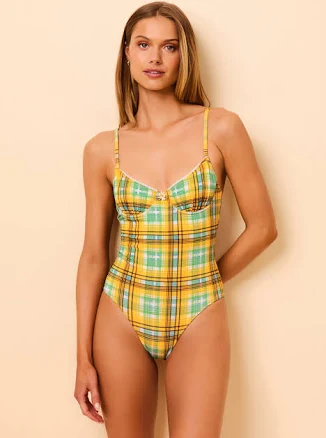
- Cotton/cotton-blend seersucker plaid
- We found no PFAS statement from the brand
- Azo dyes and colorfast stability
2 hazards checked on this product, all on its full breakdown.
Find an alternative on Amazon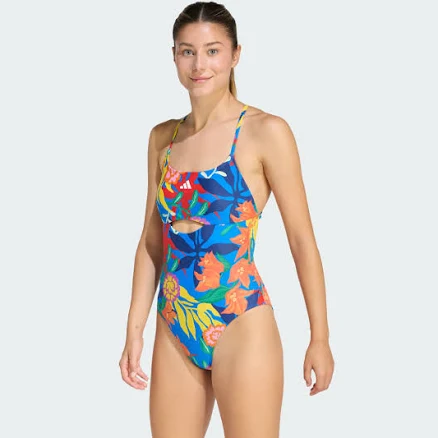
- Polyester/nylon swimsuit fabric, likely uncoated or standard finish
- Azo dyes and synthetic colorants
4 hazards checked on this product, all on its full breakdown.
Find an alternative on AmazonMore swimwear grades
How we score, every product runs through the same public 0-100 rubric based on materials, coatings, brand disclosure, lab findings, and recalls. See the full methodology → Spotted a mistake? Report an error.