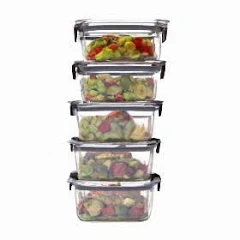
Rubbermaid Brilliance Meal Prep 2-Compartment Food Containers
Lower concern; rigid PP food container unlikely to contain intentional PFAS.
Rubbermaid Brilliance containers are polypropylene plastic with no disclosed coatings or water-resistant treatments. No PFAS claims or third-party verification available, but bare PP food storage poses minimal PFAS risk.
We flunk more products than we pass. This one earned its grade. How we grade
Material
polypropylene (PP) plastic, no coating disclosed
Brand disclosure
Brand is silent on PFAS
Lab data
No public lab test
What Rubbermaid Brilliance Meal Prep is made of, ingredients and materials
Rubbermaid Brilliance containers are polypropylene (PP), a thermoplastic polymer rated as food-contact safe by the FDA. PP has no inherent BPA, phthalates, or PVC concerns and is one of the most chemically stable plastics for cold and room-temperature food storage. No specialty coating, antimicrobial treatment, or proprietary surface finish is disclosed; the safety profile depends on the resin itself and any colorants or processing aids used during manufacture.
What’s concerning
Category baseline
The starting point for this type of product, before anything specific to this product is counted.
No PFAS disclosure
No public statement from the brand about PFAS in this product.
Microplastics
Rigid PP can shed microscopic fragments if damaged, flexed repeatedly, or exposed to high heat; this product is labeled for cold storage only, which reduces risk. Normal hand washing and storage at room temperature pose minimal concern.
Source, EPA ↗Seal and hinge degradation over time
Consumer reports document that polypropylene hinges and silicone gaskets on Brilliance containers can weaken after 1-3 years, leading to poor seal and potential bacterial growth if containers are not properly dried. This is a durability and food-safety maintenance issue, not a chemical hazard.
What’s reassuring
Base material not linked to PFAS
The main material recorded for this product is not one associated with PFAS.
Colorant or processing-aid leaching
No recalls or published testing of Rubbermaid Brilliance for heavy metals or synthetic dyes is on record. PP itself does not require toxic colorants; standard FDA-compliant pigments are the norm in this market.
BPA & bisphenols
Polypropylene is not typically formulated with BPA or phthalates; no recalls or documentation of these compounds in Rubbermaid Brilliance containers exist. PP naturally lacks the structural need for these additives.
Source, FDA ↗The full breakdown
The brand's record and disclosure
Rubbermaid (Newell Brands subsidiary) does not publicly disclose detailed chemical composition or third-party testing for these containers. The brand has no known major recalls specific to leaching or chemical safety for this product line. Rubbermaid does not advertise BPA-free status prominently for polypropylene products, likely because PP is not formulated with BPA as a standard ingredient; silence here is not a red flag but reflects material choice rather than active transparency.
How it compares in its category
Polypropylene rigid meal-prep containers are a mainstream, low-hazard choice compared to some legacy plastic alternatives. Glass meal-prep containers avoid any plastic leaching risk but are heavier and fragile; silicone or stainless-steel options exist at higher cost. Rubbermaid Brilliance sits in the mid-to-affordable range and is widely stocked; its two-compartment design is standard, with no special material advantage or disadvantage versus generic PP competitors.
If you buy it
Store cold or room-temperature foods only; do not microwave or place in a conventional oven. Hand wash or use the top-rack dishwasher setting to minimize stress on seals and avoid degradation at high heat. Replace containers if lids crack, hinges weaken, or the plastic shows visible stress (cloudiness, brittleness) after 2-3 years of regular use. Check seals monthly; bacterial growth can occur if containers are not fully dried before storage.
What we don’t know
- Basis
- Model estimate, 72% confidence, not a lab result
- Lab test
- None on record for this exact product
- Brand statement
- Rubbermaid has made none
Formulations change between production runs, so check the current label. How we grade.
Better-graded alternatives in Lunch Boxes
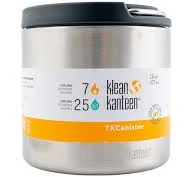
Klean Kanteen
Double Wall Vacuum Insulated Stainless Steel Food Canister Container with Leak Proof Lid
- Stainless steel body, silicone gasket lid seal
- The brand calls it PFAS-free, which we have not verified
- Silicone gasket degradation
3 hazards checked on this product. See all of them.
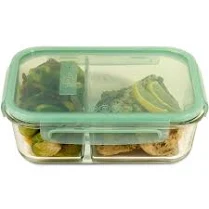
Snapware
Meal Box Glass
- borosilicate glass
- We found no PFAS statement from the brand
- Leaching from glass matrix or lid seals
2 hazards checked on this product. See all of them.
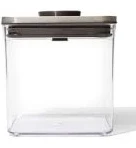
OXO
Steel Pop Big Square Short - 2.8 Qt/2.6 l
- Stainless steel container, no surface treatment
- Lid/gasket polymer leaching
3 hazards checked on this product. See all of them.
More lunch boxes grades
How we score, every product runs through the same public 0-100 rubric based on materials, coatings, brand disclosure, lab findings, and recalls. See the full methodology → Spotted a mistake? Report an error.