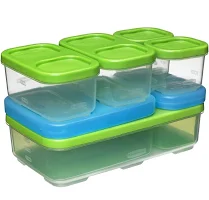
Rubbermaid Lunchblox Entrée Kit, Green
Lower concern food container; no PFAS-typical triggers identified.
Rubbermaid Lunchblox uses polypropylene plastic and silicone, neither materials typically associated with PFAS. Brand makes no PFAS claims or disclosures; no public lab testing found.
We flunk more products than we pass. This one earned its grade. How we grade
Material
Polypropylene (PP) plastic container with silicone seals
Brand disclosure
Brand is silent on PFAS
Lab data
No public lab test
What Rubbermaid Lunchblox Entrée Kit, Green is made of, ingredients and materials
The Lunchblox Entrée Kit uses polypropylene (PP, plastic #5), a thermoplastic polymer chosen for food storage because it resists moisture, is dishwasher-safe, and does not readily leach chemicals at normal use temperatures. Silicone seals (typically FDA-compliant food-grade silicone) provide an airtight barrier without relying on Teflon-type coating or problematic adhesives. Polypropylene has no reported leaching of BPA, BPS, or phthalates in normal food-contact use, making it one of the more chemically inert single-use plastics.
What’s concerning
Category baseline
The starting point for this type of product, before anything specific to this product is counted.
No PFAS disclosure
No public statement from the brand about PFAS in this product.
Microplastics
Polypropylene can shed microparticles if scratched, cracked, or exposed to prolonged heat and mechanical stress. Risk is minimized by careful handling and replacement of visibly damaged containers; heating above manufacturer limits increases degradation risk.
Source, EPA ↗Silicone seal degradation and microbial growth
Silicone seals can degrade, discolor, or harbor bacteria if not cleaned thoroughly after each use or if stored wet. Inspect seals regularly and replace the container if seals no longer seal airtight or show permanent discoloration.
What’s reassuring
Base material not linked to PFAS
The main material recorded for this product is not one associated with PFAS.
BPA & bisphenols
Polypropylene does not contain BPA, BPS, or phthalates as manufacturing additives; no leaching reported in normal food contact or after washing. No recalls or independent testing alerts on record for this product.
Source, FDA ↗Lead
Polypropylene food containers are not typically colored with lead or cadmium pigments under current FDA food-contact regulations. No specific recalls or safety warnings for Rubbermaid Lunchblox pigmentation on record.
Source, ATSDR ↗Off-gassing or volatile organic compounds (VOCs)
Polypropylene has minimal VOC off-gassing compared to other plastics; any slight odor from new containers typically dissipates within days of use and does not indicate a safety concern.
The full breakdown
The brand's record and disclosure
Rubbermaid (Newell Brands) does not publicly disclose detailed PFAS statements for individual products, but the company has faced no significant recalls or regulatory actions related to chemical leaching from Lunchblox containers. The product line has been in market for over a decade without documented safety incidents tied to material degradation or contaminant migration. Rubbermaid maintains FDA compliance for food-contact plastics but does not prominently advertise chemical testing results on consumer-facing materials.
How it compares in its category
Polypropylene food containers like Lunchblox occupy a middle tier of chemical safety in the lunch-kit market, safer than older polycarbonate (which contains BPA) and PVC, but less extensively third-party tested than some specialty brands (e.g., Pyrex glass or stainless steel alternatives). Silicone seals are standard across mid-range reusable containers and carry lower leaching risk than traditional rubber gaskets. The Lunchblox line's multi-compartment design and durability position it as a common school and office choice with no specific safety red flags versus comparable polypropylene competitors.
If you buy it
Avoid heating polypropylene above 100 degrees Celsius (212 Fahrenheit); hand-wash or use the top rack of the dishwasher to extend seal life and reduce thermal stress to the plastic. Replace containers if seals become loose, brittle, or discolored, as degraded silicone seals can fail to prevent leakage and microbial growth. Do not use with hot liquids or fatty foods at high temperature; room-temperature or gently warmed foods are safest. Inspect for cracks or stress marks periodically; intact plastic is the baseline for food safety.
What we don’t know
- Basis
- Model estimate, 72% confidence, not a lab result
- Lab test
- None on record for this exact product
- Brand statement
- Rubbermaid has made none
Formulations change between production runs, so check the current label. How we grade.
Better-graded alternatives in Lunch Boxes
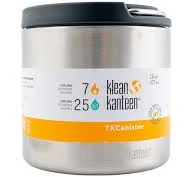
Klean Kanteen
Double Wall Vacuum Insulated Stainless Steel Food Canister Container with Leak Proof Lid
- Stainless steel body, silicone gasket lid seal
- The brand calls it PFAS-free, which we have not verified
- Silicone gasket degradation
3 hazards checked on this product. See all of them.
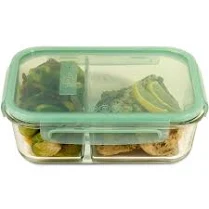
Snapware
Meal Box Glass
- borosilicate glass
- We found no PFAS statement from the brand
- Leaching from glass matrix or lid seals
2 hazards checked on this product. See all of them.
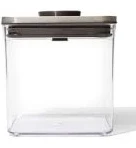
OXO
Steel Pop Big Square Short - 2.8 Qt/2.6 l
- Stainless steel container, no surface treatment
- Lid/gasket polymer leaching
3 hazards checked on this product. See all of them.
More lunch boxes grades
How we score, every product runs through the same public 0-100 rubric based on materials, coatings, brand disclosure, lab findings, and recalls. See the full methodology → Spotted a mistake? Report an error.