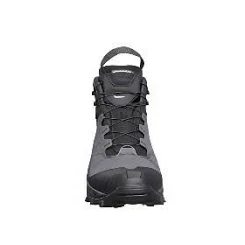
Salomon Men's Crosstrak Powder Waterproof
Avoid until Salomon discloses its water-repellent coating chemistry or PFAS-free status.
Salomon doesn't disclose the PFAS status of this shoe's waterproof treatment. Outdoor apparel brands historically rely on PFAS-based water-repellent coating, though alternatives now exist. Without transparency or verification, PFAS risk is typical.
Still want this one anyway? Check the price on Amazon. We’d swap it.
Material
Polyester with waterproof water-repellent coating (unspecified chemistry)
Lab data
No public lab test
You may also be interested in
Top-graded picks in the categories readers replace first, every one scored on the same rubric.

- polypropylene filter housing, carbon/sediment cartridge
- We found no PFAS statement from the brand
- Bacterial growth in spent cartridges
3 hazards checked on this product, all on its full breakdown.

Aquasure
Premier Series 75 GPD Under Sink Reverse Osmosis Water Filtration System
- RO membrane, carbon filters, stainless steel housing
- We found no PFAS statement from the brand
- Bacterial and microbial growth in housing and filters
4 hazards checked on this product, all on its full breakdown.

Avocado
Vegan Mattress
- organic cotton, natural latex, coconut coir, recycled steel coils
- The brand calls it PFAS-free, which we have not verified
- Heavy metals
2 hazards checked on this product, all on its full breakdown.
What Salomon Men's Crosstrak Powder Waterproof is made of, ingredients and materials
Salomon's Crosstrak Powder uses polyester uppers with a proprietary waterproof water-repellent coating (water-repellent coating) coating of unspecified chemistry. The polyester itself is stable, but the water-repellent coating finish is the actual barrier against water ingress, and its durability and chemical safety depend entirely on the formulation, which Salomon has not publicly disclosed. Over time, water-repellent coating coatings degrade from friction, UV exposure, and washing, requiring retreatment or replacement of the boot's protective layer.
What’s concerning
Category baseline
The starting point for this type of product, before anything specific to this product is counted.
No PFAS disclosure
No public statement from the brand about PFAS in this product.
Waterproof / stain-resistant treatment
Water-repellent coating treatments have historically used PFAS.
water-repellent coating degradation and re-exposure
Polyester with unspecified water-repellent coating formulation will lose water-beading performance within 1-2 seasons. As the coating wears, consumers may re-treat with similar or unknown-chemistry sprays, prolonging potential exposure to fluorinated or other biocides without transparency.
Polyester fiber microplastic shedding
Polyester uppers shed microfibers during wear and washing, especially after the water-repellent coating begins to flake or crack. Risk is elevated in boot heels and toe areas where abrasion is highest; washing in a machine accelerates this process.
Adhesive and solvent off-gassing from glued seams
Waterproof boots use polyurethane or epoxy adhesives to seal seams and bond materials. New boots may off-gas volatile organic compounds (VOCs) for days to weeks; airing outdoors before wearing reduces inhalation risk.
PFAS
Salomon has not confirmed PFAS-free status of its water-repellent coating. Industry-wide, most polyester waterproof coatings contain long-chain PFAS (PFOA, PFOS, or newer 'GenX' alternatives). This product's specific chemistry is unknown, requiring the separate PFAS assessment (20/100 safety) already noted.
Source, ATSDR ↗What’s reassuring
Formaldehyde / VOCs
No recalls or public testing results document formaldehyde resin treatment or antimony catalyst residues in Salomon boots. Standard polyester production may involve these inputs, but no evidence of unsafe levels in finished footwear has been reported for this brand.
Source, ATSDR ↗How is this PFAS grade calculated?
The brand's record and disclosure
Salomon has not published a clear public commitment to PFAS-free waterproofing or disclosed the chemistry of its water-repellent coating coatings. The brand does not appear on major environmental certifications (Bluesign, GOTS, or OEKO-TEX) specifically for chemical transparency. Salomon remains largely silent on per- and polyfluoroalkyl substance use across its product lines, a significant gap for a company selling water-protective gear where fluorinated finishes are industry standard.
How it compares in its category
Many competing waterproof boots (Merrell, La Sportiva, some KEEN models) now disclose PFAS-free or low-PFAS water-repellent coating options or hold third-party certifications. Salomon's lack of transparency puts this model at a disadvantage against brands offering wax, silicone, or other non-fluorinated water barriers. Within Salomon's own range, there is no published differentiation between water-repellent coating formulations across models, making selection harder for informed consumers.
If you buy it
Expect the water-repellent coating to remain effective for 1-2 seasons of regular hiking before water starts beading less reliably. Clean the boots with plain water and a soft brush after each muddy outing to avoid salt, dirt, and organic buildup that degrades coatings faster. Do not machine wash or use harsh detergents; apply a re-water-repellent coating spray (preferably PFAS-free branded products) annually or when beading fails. Replace the boot when the sole separates or the upper loses structural integrity, not just when water resistance declines.
What is not known about PFAS in this product?
- Basis
- Model estimate, 35% confidence, not a lab result
- Lab test
- None on record for this exact product
- Brand statement
- Salomon has made a specific claim
Formulations change between production runs, so check the current label. How we grade.
What are the PFAS-free alternatives to Salomon Men's Crosstrak Powder Waterproof?
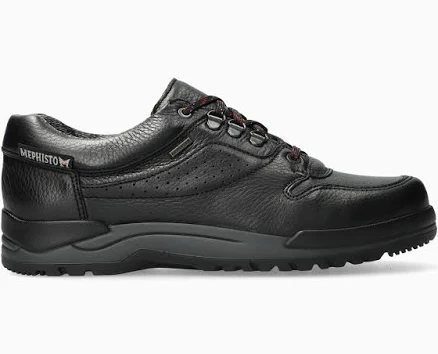
- leather, textile, rubber sole
- We found no PFAS statement from the brand
- Volatile organic compounds (VOC) off-gassing from adhesives
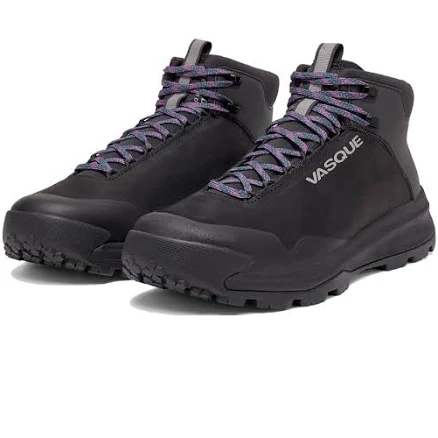
- Leather/nubuck upper, synthetic/rubber sole, no coating disclosed
- We found no PFAS statement from the brand
- Azo dyes (leather/textile coloring)
4 hazards checked on this product, all on its full breakdown.
Find an alternative on AmazonMore waterproof boots grades
How we score, every product runs through the same public 0-100 rubric based on materials, coatings, brand disclosure, lab findings, and recalls. See the full methodology → Spotted a mistake? Report an error.