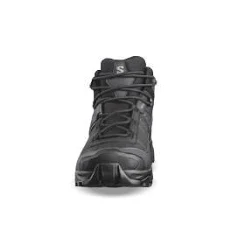
Salomon Men's X Ultra 5 Mid GTX
High PFAS risk from Gore-Tex. Salomon makes no disclosure.
The Salomon X Ultra 5 Mid GTX uses Gore-Tex waterproofing, which historically contains Teflon-type coating, a PFAS. Salomon provides no public statement on PFAS content or alternatives. Contact the brand or consider non-waterproofed boots.
Still want this one anyway? Check the price on Amazon. We’d swap it.
Material
Gore-Tex membrane (polyurethane laminate with Teflon-type coating)
Lab data
No public lab test
You may also be interested in
Top-graded picks in the categories readers replace first, every one scored on the same rubric.

- polypropylene filter housing, carbon/sediment cartridge
- We found no PFAS statement from the brand
- Bacterial growth in spent cartridges
3 hazards checked on this product, all on its full breakdown.

Aquasure
Premier Series 75 GPD Under Sink Reverse Osmosis Water Filtration System
- RO membrane, carbon filters, stainless steel housing
- We found no PFAS statement from the brand
- Bacterial and microbial growth in housing and filters
4 hazards checked on this product, all on its full breakdown.

Avocado
Vegan Mattress
- organic cotton, natural latex, coconut coir, recycled steel coils
- The brand calls it PFAS-free, which we have not verified
- Heavy metals
2 hazards checked on this product, all on its full breakdown.
What Salomon Men's X Ultra 5 Mid GTX is made of, ingredients and materials
The X Ultra 5 Mid GTX uses a Gore-Tex membrane, which is a polyurethane laminate bonded to a Teflon-type coating (polytetrafluoroethylene) layer. Teflon-type coating itself is chemically inert once applied, but Gore-Tex manufacturing historically relied on PFAS chemistry (perfluorooctanoic acid, or PFOA, and related compounds) as processing aids. The membrane sits between an outer nylon/synthetic upper and an inner moisture-wicking lining, creating a three-layer sandwich that traps water-repellent chemicals throughout the structure.
What’s concerning
Category baseline
The starting point for this type of product, before anything specific to this product is counted.
No PFAS disclosure
No public statement from the brand about PFAS in this product.
Waterproof / stain-resistant treatment
Water-repellent coating treatments have historically used PFAS.
Teflon-type coating membrane degradation and inhalation risk
Gore-Tex itself does not offgas Teflon-type coating under normal wear, but mechanical abrasion or heat exposure can create microfiber particles; inhalation risk is low in outdoor use but unknown for prolonged indoor storage or cleaning.
Adhesive off-gassing (volatile organic compounds)
Gore-Tex laminates are bonded to outer and inner layers using urethane or polyurethane adhesives. New boots may emit low levels of VOCs for 24-72 hours after unboxing; airing boots outdoors before use reduces this exposure.
Microplastic shedding from synthetic materials
The nylon upper, polyurethane laminate, and rubber sole are all synthetic; friction during hiking can shed microfibers into soil and water. No quantification exists for this model specifically, but all synthetic boots carry this risk.
What’s reassuring
Formaldehyde / VOCs
Salomon does not disclose formaldehyde-free certifications for the nylon upper or synthetic overlays. Typical hiking boot fabrics may contain formaldehyde-based durable-press finishes; no specific recalls or testing reports exist for this model.
Source, ATSDR ↗Heavy metals
Nylon uppers and rubber soles may contain trace lead or cadmium from synthetic dyes or metal oxide pigments; Salomon has not published restricted substance lists limiting these in footwear. No regulatory violations recorded for this product line.
Source, FDA ↗How is this PFAS grade calculated?
The brand's record and disclosure
Salomon has not publicly committed to PFAS phase-out timelines or disclosed PFAS testing results for specific products. The brand has not achieved bluesign certification or similar third-party verification for chemical management in footwear. This silence is notable because leading outdoor brands (Arc'teryx, Patagonia) have begun transparency initiatives around PFAS in waterproof gear. Salomon's lack of disclosure reflects an industry-wide reluctance to address the issue directly.
How it compares in its category
Most premium waterproof hiking boots still rely on Gore-Tex or similar Teflon-type coating-laminate membranes; alternatives without Teflon-type coating laminates (waxed leather, non-laminated breathable textiles) exist but sacrifice durability or breathability in demanding conditions. The X Ultra 5 is a mid-range option; budget boots often use cheaper polyurethane coatings (which carry different chemical risks), while ultra-premium boots from brands with explicit PFAS reduction policies remain rare. For hiking-specific performance, this boot is typical for its price tier but not exceptional in chemical transparency.
If you buy it
Avoid subjecting the boots to prolonged heat (dishwasher, direct heat drying, sauna environments) as Gore-Tex laminate can degrade and potentially shed microfibers. Clean with cool water and mild soap, then air dry at room temperature to preserve membrane integrity. Replace when the outer nylon shows punctures or the sole delaminates, not just when worn flat; a degraded membrane may leach trapped water-repellent residues. Store in a cool, dry place away from direct UV light to slow material breakdown.
What is not known about PFAS in this product?
- Basis
- Model estimate, 45% confidence, not a lab result
- Lab test
- None on record for this exact product
- Brand statement
- Salomon has made a specific claim
Formulations change between production runs, so check the current label. How we grade.
What are the PFAS-free alternatives to Salomon Men's X Ultra 5 Mid GTX?
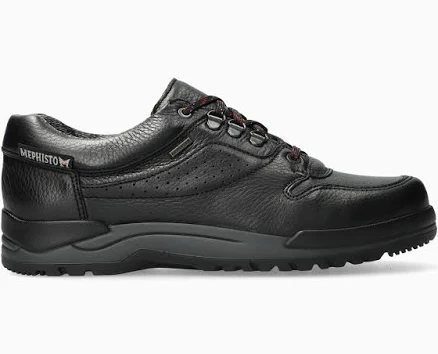
- leather, textile, rubber sole
- We found no PFAS statement from the brand
- Volatile organic compounds (VOC) off-gassing from adhesives
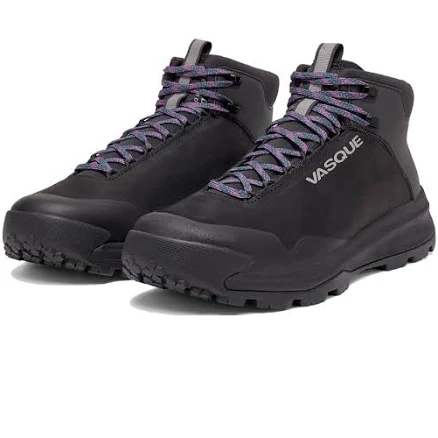
- Leather/nubuck upper, synthetic/rubber sole, no coating disclosed
- We found no PFAS statement from the brand
- Azo dyes (leather/textile coloring)
4 hazards checked on this product, all on its full breakdown.
Find an alternative on AmazonMore waterproof boots grades
How we score, every product runs through the same public 0-100 rubric based on materials, coatings, brand disclosure, lab findings, and recalls. See the full methodology → Spotted a mistake? Report an error.