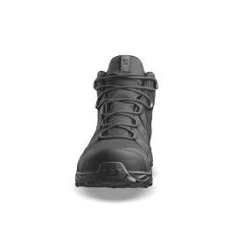
Salomon Men's X Ultra Forces Mid GTX Boots
GTX waterproofing likely contains legacy PFAS. Salomon uncommitted.
These boots use Gore-Tex for waterproofing, a technology historically dependent on PFAS chemistry. Salomon doesn't disclose PFAS use or claim PFAS-free status. Without testing or brand commitment, assume elevated PFAS concern.
Still want this one anyway? Check the price on Amazon. We’d swap it.
Material
Synthetic textile upper with GTX (Gore-Tex) membrane waterproofing
Lab data
No public lab test
You may also be interested in
Top-graded picks in the categories readers replace first, every one scored on the same rubric.

- polypropylene filter housing, carbon/sediment cartridge
- We found no PFAS statement from the brand
- Bacterial growth in spent cartridges
3 hazards checked on this product, all on its full breakdown.

Aquasure
Premier Series 75 GPD Under Sink Reverse Osmosis Water Filtration System
- RO membrane, carbon filters, stainless steel housing
- We found no PFAS statement from the brand
- Bacterial and microbial growth in housing and filters
4 hazards checked on this product, all on its full breakdown.

Avocado
Vegan Mattress
- organic cotton, natural latex, coconut coir, recycled steel coils
- The brand calls it PFAS-free, which we have not verified
- Heavy metals
2 hazards checked on this product, all on its full breakdown.
What Salomon Men's X Ultra Forces Mid GTX Boots is made of, ingredients and materials
These boots use a synthetic textile upper (typically polyester or nylon blend) bonded to a Gore-Tex waterproof-breathable membrane, which is a laminated Teflon-type coating film. The Gore-Tex layer itself historically required PFAS-based surfactants and water-repellent coating (water-repellent coating) chemistry to function; while Gore-Tex manufacturing has improved, legacy formulations contained long-chain PFAS. The synthetic materials themselves (polyester, nylon, adhesives) do not present acute leaching risks during normal wear, but degradation of the membrane over years can release microfibers.
What’s concerning
Category baseline
The starting point for this type of product, before anything specific to this product is counted.
No PFAS disclosure
No public statement from the brand about PFAS in this product.
Waterproof / stain-resistant treatment
Water-repellent coating treatments have historically used PFAS.
Teflon-type coating membrane microfiber shedding
Gore-Tex Teflon-type coating film can degrade and shed microfibers during prolonged use, especially if flexed repeatedly in the ankle area. Long-term inhalation or ingestion risk is low under normal wear, but heavy use over years combined with physical breakdown of the laminate increases shed rates.
Synthetic upper off-gassing (VOC)
New synthetic polyester/nylon uppers may emit volatile organic compounds (solvents from dyeing and adhesives) in the first few weeks of wear, particularly if stored in warm conditions. This is typical for the category; off-gassing is usually mild and dissipates after airing out.
water-repellent coating (water-repellent coating) fluorochemical content
The factory water-repellent coating treatment on the synthetic upper likely contains short- or long-chain fluorinated compounds to achieve water beading. While direct skin absorption is minimal during wear, washing releases these into wastewater; replacement water-repellent coating products labeled PFOA-free or fluorine-free are available.
Adhesive residues and off-gassing
Laminating the Gore-Tex membrane to the synthetic upper requires polyurethane or polyether-based adhesives; these can off-gas at low levels over the boot's lifetime, especially if stored in warm conditions. Proper airing before and after wear reduces exposure.
What’s reassuring
Azo dyes in polyester upper
Synthetic textile uppers in hiking boots are typically dyed with azo dyes; Salomon does not disclose restricted azo dye use, but the product is not known to have failed azo dye compliance testing. EU REACH and ZDHC standards generally limit the most hazardous azo compounds, though Salomon's compliance posture is not fully transparent.
How is this PFAS grade calculated?
The brand's record and disclosure
Salomon has not published a detailed chemical disclosure statement or PFAS phase-out commitment as of available public records. The brand is owned by Amer Sports (now Amer Sports Corporation), which has made minimal public commitments to PFAS elimination in footwear. Salomon's GTX models use standard Gore-Tex licenses and do not highlight alternative waterproofing. No major recalls or contamination incidents specific to this boot model are on record.
How it compares in its category
Most premium waterproof hiking boots in this segment (Merrell, Keen, La Sportiva) similarly rely on Gore-Tex or equivalent Teflon-type coating membranes, making PFAS exposure a category-wide issue rather than Salomon-specific. A small number of brands (Patagonia, some outdoor labels) now use PFOA-free or Teflon-type coating-free membranes, but these are the exception. Salomon's X Ultra line is mid-range in price and durability; boots at this tier rarely disclose water-repellent coating chemistry or offer greener alternatives as standard.
If you buy it
Care for the synthetic upper by rinsing mud off promptly and air-drying away from heat; do not machine wash or expose to hot water, which can degrade the GTX bond. Avoid prolonged contact with direct sunlight, which degrades polyester fibers over 3-5 years of heavy use. Reapply non-fluorinated water-repellent coating (such as paraffin or silicone-based products) every 12-18 months to maintain water beading. If the upper develops delamination, creasing cracks, or the sole separates, replacement is more practical than repair.
What is not known about PFAS in this product?
- Basis
- Model estimate, 45% confidence, not a lab result
- Lab test
- None on record for this exact product
- Brand statement
- Salomon has made a specific claim
Formulations change between production runs, so check the current label. How we grade.
What are the PFAS-free alternatives to Salomon Men's X Ultra Forces Mid GTX Boots?
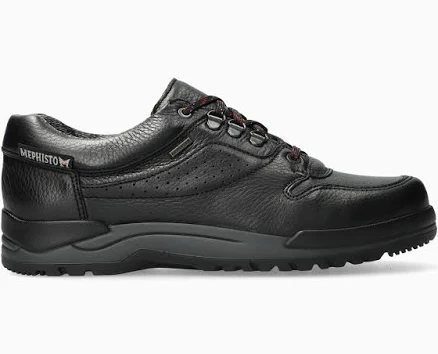
- leather, textile, rubber sole
- We found no PFAS statement from the brand
- Volatile organic compounds (VOC) off-gassing from adhesives
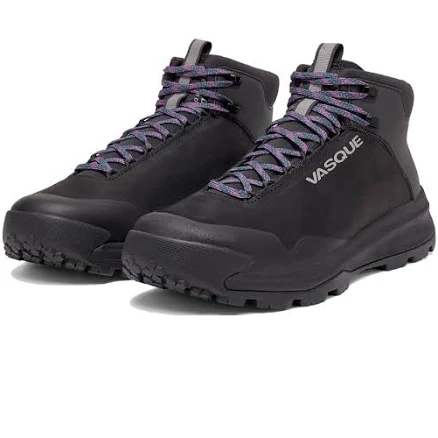
- Leather/nubuck upper, synthetic/rubber sole, no coating disclosed
- We found no PFAS statement from the brand
- Azo dyes (leather/textile coloring)
4 hazards checked on this product, all on its full breakdown.
Find an alternative on AmazonMore waterproof boots grades
How we score, every product runs through the same public 0-100 rubric based on materials, coatings, brand disclosure, lab findings, and recalls. See the full methodology → Spotted a mistake? Report an error.