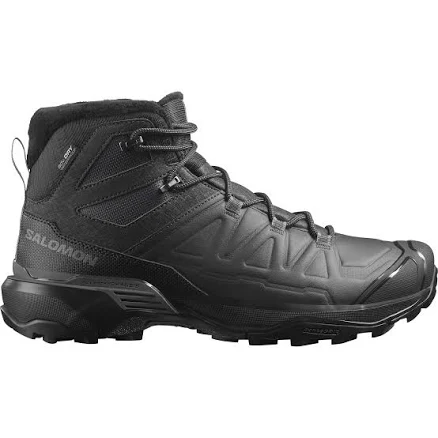
Salomon Men's X Ultra Snowpilot Waterproof Hiking Boots
Waterproof hiking boots likely treated with legacy PFAS. Salomon silent.
These boots use waterproof synthetic uppers and membranes typical of technical hiking boots, historically reliant on PFAS-based water-repellent coating coatings. Salomon makes no statement on PFAS use, phaseout, or alternatives. No testing or certifications exist.
Still want this one anyway? Check the price on Amazon. We’d swap it.
Material
Synthetic upper with water-repellent coating-treated waterproof membrane/lining
Lab data
No public lab test
You may also be interested in
Top-graded picks in the categories readers replace first, every one scored on the same rubric.

- polypropylene filter housing, carbon/sediment cartridge
- We found no PFAS statement from the brand
- Bacterial growth in spent cartridges
3 hazards checked on this product, all on its full breakdown.

Aquasure
Premier Series 75 GPD Under Sink Reverse Osmosis Water Filtration System
- RO membrane, carbon filters, stainless steel housing
- We found no PFAS statement from the brand
- Bacterial and microbial growth in housing and filters
4 hazards checked on this product, all on its full breakdown.

Avocado
Vegan Mattress
- organic cotton, natural latex, coconut coir, recycled steel coils
- The brand calls it PFAS-free, which we have not verified
- Heavy metals
2 hazards checked on this product, all on its full breakdown.
What Salomon Men's X Ultra Hiking Boots is made of, ingredients and materials
The X Ultra Snowpilot uses a synthetic upper (likely polyester or nylon blend) with a water-repellent coating (water-repellent coating) coating on the exterior and a waterproof membrane lining. water-repellent coating treatments on outdoor footwear are historically based on fluorinated compounds (legacy PFAS), which provide exceptional water shedding but persist in the environment and bioaccumulate. The lining membrane itself is typically polyurethane, which is stable under normal use but can off-gas volatile organic compounds during manufacturing and initial wear.
What’s concerning
Category baseline
The starting point for this type of product, before anything specific to this product is counted.
No PFAS disclosure
No public statement from the brand about PFAS in this product.
Waterproof / stain-resistant treatment
Water-repellent coating treatments have historically used PFAS.
PFAS
Waterproof hiking boots are historically treated with fluorinated water-repellent coating compounds. Salomon does not disclose whether this model uses legacy or alternative chemistry. PFAS bioacculates and is detected in human blood; prolonged skin contact and hand-washing of treated gear contribute cumulative exposure.
Source, ATSDR ↗Azo dyes in synthetic textiles
Polyester and nylon uppers may be dyed with azo colorants, some of which are restricted in EU but permitted elsewhere. No brand-specific testing data is available for the X Ultra. Risk is low during normal wear but increases with heavy sweating and direct skin contact.
Polyurethane lining off-gassing
Waterproof membranes (polyurethane-based) can emit volatile organic compounds (VOCs), especially during the first weeks of use and with heat exposure. This is not acute but may cause mild respiratory or odor irritation in enclosed spaces. Airing boots outdoors before wear reduces initial off-gassing.
What’s reassuring
Formaldehyde / VOCs
Synthetic hiking boots typically avoid formaldehyde resins, which are more common in cotton apparel. No evidence suggests their use in the X Ultra. Technical footwear usually employs polyurethane or acrylic binders instead.
Source, ATSDR ↗Antimony in polyester
Polyester fibers can contain antimony as a catalyst residue if not adequately purged. Industry best-practice purging has reduced this risk significantly. No recalls or testing data specific to Salomon boots indicate this is a concern for this product.
How is this PFAS grade calculated?
The brand's record and disclosure
Salomon, owned by Amer Sports, has not publicly committed to PFAS phase-out or disclosed whether the X Ultra line uses fluorinated or fluorine-free water-repellent coating. The brand does not publish chemical composition or supplier audits for waterproofing treatments. No major recalls or chemical safety incidents have been documented for this specific model. This silence contrasts with competitors (Arc'teryx, Patagonia) who have announced PFAS reduction roadmaps.
How it compares in its category
Waterproof hiking boots across the industry rely on water-repellent coating coatings; legacy PFAS-based versions remain the default for performance, cost, and durability. Salomon's lack of transparency places it at the lower end of best-practice disclosure but within the industry norm for technical footwear. Boots marketed as PFAS-free (e.g., some models from Patagonia or Allbirds) exist but are less common in high-performance winter hiking segments. Price and performance specs of the X Ultra are competitive; the trade-off is unknown chemical inputs.
If you buy it
Wash the boots in cool water with mild detergent before first wear to reduce residual water-repellent coating and polyurethane off-gassing. Avoid machine drying or direct heat above 50°C, as this can degrade the membrane and accelerate coating breakdown. Reapply water-repellent coating every 50-100 hours of use or annually; choose fluorine-free alternatives (silicone-based) when replacing. Replace boots if the upper seams fail, lining tears, or waterproofing becomes unreliable, as repair of membrane integrity is rarely economical.
What is not known about PFAS in this product?
- Basis
- Model estimate, 42% confidence, not a lab result
- Lab test
- None on record for this exact product
- Brand statement
- Salomon has made a specific claim
Formulations change between production runs, so check the current label. How we grade.
What are the PFAS-free alternatives to Salomon Men's X Ultra Snowpilot Waterproof Hiking Boots?
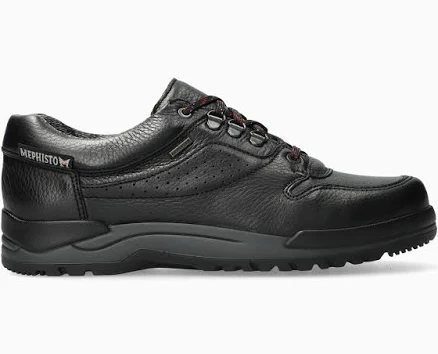
- leather, textile, rubber sole
- We found no PFAS statement from the brand
- Volatile organic compounds (VOC) off-gassing from adhesives
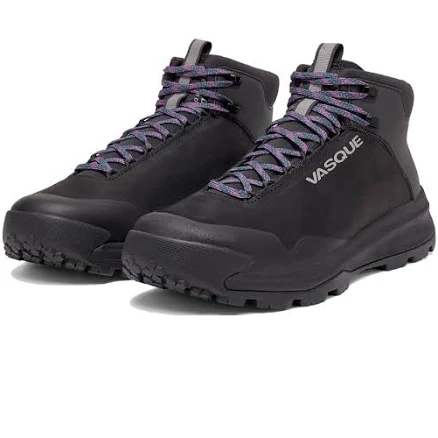
- Leather/nubuck upper, synthetic/rubber sole, no coating disclosed
- We found no PFAS statement from the brand
- Azo dyes (leather/textile coloring)
4 hazards checked on this product, all on its full breakdown.
Find an alternative on AmazonMore waterproof boots grades
How we score, every product runs through the same public 0-100 rubric based on materials, coatings, brand disclosure, lab findings, and recalls. See the full methodology → Spotted a mistake? Report an error.