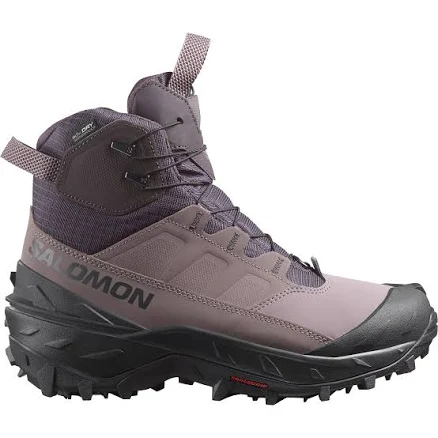
Salomon Women's Crosstrak Powder Waterproof
Waterproof boots likely treated with PFAS-based water-repellent coating. Salomon doesn't disclose.
These boots are marketed as waterproof, which typically indicates a water-repellent coating finish, historically fluorocarbon-based. Salomon makes no public statement about PFAS use or avoidance. No testing or PFAS-free certification is publicly available.
Still want this one anyway? Check the price on Amazon. We’d swap it.
Material
Textile with water-repellent coating (water-repellent coating) coating, likely fluorocarbon-based
Lab data
No public lab test
You may also be interested in
Top-graded picks in the categories readers replace first, every one scored on the same rubric.

- polypropylene filter housing, carbon/sediment cartridge
- We found no PFAS statement from the brand
- Bacterial growth in spent cartridges
3 hazards checked on this product, all on its full breakdown.

Aquasure
Premier Series 75 GPD Under Sink Reverse Osmosis Water Filtration System
- RO membrane, carbon filters, stainless steel housing
- We found no PFAS statement from the brand
- Bacterial and microbial growth in housing and filters
4 hazards checked on this product, all on its full breakdown.

Avocado
Vegan Mattress
- organic cotton, natural latex, coconut coir, recycled steel coils
- The brand calls it PFAS-free, which we have not verified
- Heavy metals
2 hazards checked on this product, all on its full breakdown.
What Salomon Women's Crosstrak Waterproof is made of, ingredients and materials
Salomon Women's Crosstrak Powder Waterproof uses textile uppers (likely polyester or nylon blend) treated with a water-repellent coating (water-repellent coating) coating. water-repellent coating coatings on outdoor footwear are nearly universally fluorocarbon-based (PFAS compounds) in the industry to achieve long-lasting water shedding. The textile itself is the primary foot contact surface; the water-repellent coating sits as a surface treatment that degrades with wear and washing.
What’s concerning
Category baseline
The starting point for this type of product, before anything specific to this product is counted.
No PFAS disclosure
No public statement from the brand about PFAS in this product.
Waterproof / stain-resistant treatment
Water-repellent coating treatments have historically used PFAS.
PFAS
Textile water-repellent coating on waterproof boots is treated with fluorocarbon compounds (legacy C8 or newer short-chain variants). Salomon does not specify which. Exposure occurs through skin contact, wear particles, and laundry wastewater leaching.
Source, ATSDR ↗Formaldehyde / VOCs
Polyester or nylon textile uppers may be treated with formaldehyde-based resin finishes for wrinkle resistance, colorfast, or crease retention. Industry standard but not disclosed by Salomon. Exposure is primarily inhalation (off-gassing minimal in worn state) and contact with skin, especially if feet perspire.
Source, ATSDR ↗Azo dyes in colored textile
Black, navy, or patterned uppers on this model may use azo dyes. Banned azo dyes (releasing carcinogenic amines) are regulated in EU but not uniformly enforced globally. Salomon has no public testing or certification of dye safety on this SKU. Risk is low for intact garment but increases if fabric rubs or dyes migrate via sweat in warm conditions.
Microplastics
Polyester/nylon uppers shed microfibers during washing and wear. This is a documented environmental hazard (marine contamination) rather than direct wearer hazard, but contributes to the lifecycle burden of the product. Infrequent washing reduces shedding.
Source, EPA ↗What’s reassuring
Heavy metals
No recalls or test reports of lead, cadmium, or chromium contamination in Salomon footwear dyes or coatings on record. Industry regulations (REACH, CPSIA) set limits. Risk is not elevated for this brand relative to peers.
Source, FDA ↗How is this PFAS grade calculated?
The brand's record and disclosure
Salomon does not disclose water-repellent coating chemistry or PFAS content on product pages or in technical documentation reviewed. The brand has no public PFAS elimination commitment or third-party certification (e.g., bluesign, OEKO-TEX Standard 100 Limit Values for PFAS) on record for this model. This silence is standard across most mainstream outdoor footwear brands but represents a lack of transparency on a persistent chemical exposure pathway.
How it compares in its category
Virtually all commercial waterproof hiking and winter boots in this price and performance tier use fluorocarbon water-repellent coating; PFAS-free alternatives exist but are rare, niche, and often sacrifice durability or water performance. Salomon's treatment is functionally comparable to competitors (Merrell, Keen, Lowa) rather than outlying. If avoiding PFAS is a priority, options are limited; brands like Arcteryx and some models from Patagonia have committed to PFAS phase-out but at higher cost.
If you buy it
Wash infrequently and in cool water to slow water-repellent coating degradation and reduce fluorocarbon leaching into wastewater; avoid hot water and machine drying. Do not wear on contaminated sites (industrial, firefighting, AFFF-exposed areas) where PFAS burden is already elevated. Expect water-repellent coating performance to fade within 1-3 seasons of regular use; reapplication products exist but typically contain PFAS. Replace when water no longer beads on the textile or insulation becomes wet during use.
What is not known about PFAS in this product?
- Basis
- Model estimate, 45% confidence, not a lab result
- Lab test
- None on record for this exact product
- Brand statement
- Salomon has made a specific claim
Formulations change between production runs, so check the current label. How we grade.
What are the PFAS-free alternatives to Salomon Women's Crosstrak Powder Waterproof?
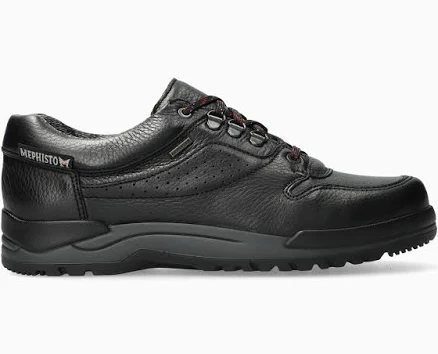
- leather, textile, rubber sole
- We found no PFAS statement from the brand
- Volatile organic compounds (VOC) off-gassing from adhesives
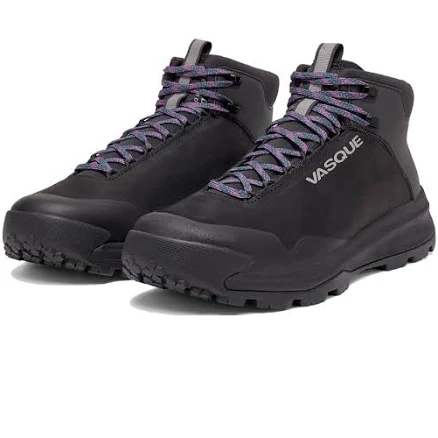
- Leather/nubuck upper, synthetic/rubber sole, no coating disclosed
- We found no PFAS statement from the brand
- Azo dyes (leather/textile coloring)
4 hazards checked on this product, all on its full breakdown.
Find an alternative on AmazonMore waterproof boots grades
How we score, every product runs through the same public 0-100 rubric based on materials, coatings, brand disclosure, lab findings, and recalls. See the full methodology → Spotted a mistake? Report an error.