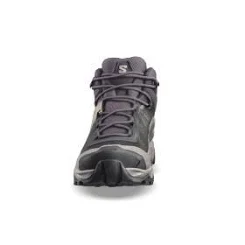
Salomon Women's X Ultra 5 Mid Gore-Tex
Gore-Tex historically reliant on PFOA/Teflon-type coating. Salomon discloses nothing.
This boot uses Gore-Tex, a membrane traditionally manufactured with PFAS-based chemistry for water resistance. Salomon doesn't disclose PFAS content, reformulation status, or verification. While Gore-Tex explores alternatives, confirmation for this model is unavailable.
Still want this one anyway? Check the price on Amazon. We’d swap it.
Material
Gore-Tex membrane with textile upper
Lab data
No public lab test
You may also be interested in
Top-graded picks in the categories readers replace first, every one scored on the same rubric.

- polypropylene filter housing, carbon/sediment cartridge
- We found no PFAS statement from the brand
- Bacterial growth in spent cartridges
3 hazards checked on this product, all on its full breakdown.

Aquasure
Premier Series 75 GPD Under Sink Reverse Osmosis Water Filtration System
- RO membrane, carbon filters, stainless steel housing
- We found no PFAS statement from the brand
- Bacterial and microbial growth in housing and filters
4 hazards checked on this product, all on its full breakdown.

Avocado
Vegan Mattress
- organic cotton, natural latex, coconut coir, recycled steel coils
- The brand calls it PFAS-free, which we have not verified
- Heavy metals
2 hazards checked on this product, all on its full breakdown.
What Salomon Women's X Ultra 5 Mid Gore-Tex is made of, ingredients and materials
This boot combines a textile upper (likely polyester-nylon blend) with a Gore-Tex membrane laminate and rubber sole. Gore-Tex provides breathable waterproofing through microporous Teflon-type coating film, historically manufactured with PFOA (a persistent PFAS). The textile upper may contain azo dyes, PFC water repellents, or flame-retardant finishes applied during production. Salomon does not publicly disclose the specific PFAS chemistry or confirm use of PFOA-free Gore-Tex variants in this model.
What’s concerning
Category baseline
The starting point for this type of product, before anything specific to this product is counted.
No PFAS disclosure
No public statement from the brand about PFAS in this product.
Waterproof / stain-resistant treatment
Water-repellent coating treatments have historically used PFAS.
Azo dyes and synthetic colorants in textile upper
Polyester-nylon textiles in hiking boots are commonly dyed with azo compounds, some of which are restricted in EU and may release aromatic amines under sweat and friction. Salomon does not certify this boot as azo-free or Bluesign-compliant.
PFC water repellents in fabric finish
Even if Gore-Tex itself is PFOA-free, the outer textile coating often contains other short-chain PFCs or siloxanes for additional water repellency. Salomon's material specs do not confirm exclusion of these chemicals.
Adhesive and laminate off-gassing during break-in
Gore-Tex laminates use polyurethane or solvent-based adhesives; new boots may emit mild VOCs (volatile organic compounds) during the first few wears. This is typically temporary and not hazardous in outdoor use but noticeable indoors.
What’s reassuring
Rubber sole degradation and microparticle shedding
Salomon soles are durable, but heavy wear releases microplastics. This is a category-wide issue with minimal brand differentiation; no recalls or documented health hazard specific to Salomon X Ultra soles.
Formaldehyde / VOCs
Modern athletic footwear rarely uses formaldehyde-based adhesives, and no public reports link Salomon boots to formaldehyde emissions. Standard practice in the industry has shifted away from this hazard.
Source, ATSDR ↗How is this PFAS grade calculated?
The brand's record and disclosure
Salomon (owned by Amer Sports) has not published a comprehensive PFAS phase-out roadmap or material transparency report specific to footwear. The brand lacks third-party certifications (such as Cradle-to-Cradle or Bluesign) that would independently verify chemical restrictions. Gore-Tex as a membrane supplier has moved toward PFOA-free production in recent years, but Gore-Tex does not publicly itemize which specific Salomon products contain legacy PFOA versus alternatives, making it impossible to confirm this boot's formulation.
How it compares in its category
Gore-Tex waterproof boots are mid-to-premium in the hiking category. Competitors like Merrell and La Sportiva also use Gore-Tex and face similar PFAS opacity. Boots using non-fluorinated waterproofing (e.g., Keen, some Danner models) avoid this hazard class entirely but often sacrifice breathability or durability. Salomon's X Ultra line is well-regarded for fit and traction but offers no documented chemical advantage over rivals.
If you buy it
Inspect the boot before use and replace or repair outer coatings if scuffed or worn, as coating degradation can expose inner layers and reduce water resistance. Avoid machine washing; clean with cool water and soft brush, then air dry away from direct heat (never oven or radiator). Inspect Gore-Tex seams and laminate annually for peeling or separation. Replace the boot after approximately 300-500 miles of hiking or when tread or structure fails; repairing Gore-Tex laminate is generally not cost-effective.
What is not known about PFAS in this product?
- Basis
- Model estimate, 45% confidence, not a lab result
- Lab test
- None on record for this exact product
- Brand statement
- Salomon has made a specific claim
Formulations change between production runs, so check the current label. How we grade.
What are the PFAS-free alternatives to Salomon Women's X Ultra 5 Mid Gore-Tex?
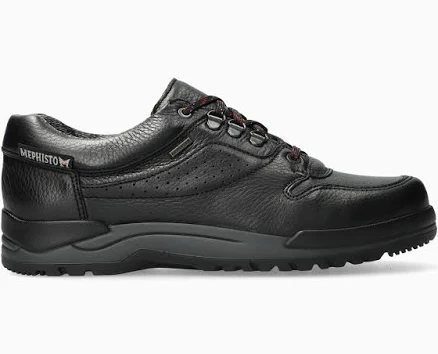
- leather, textile, rubber sole
- We found no PFAS statement from the brand
- Volatile organic compounds (VOC) off-gassing from adhesives
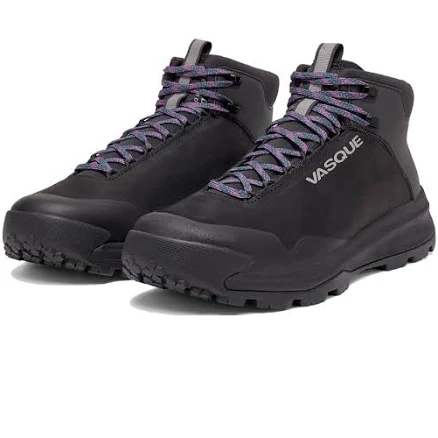
- Leather/nubuck upper, synthetic/rubber sole, no coating disclosed
- We found no PFAS statement from the brand
- Azo dyes (leather/textile coloring)
4 hazards checked on this product, all on its full breakdown.
Find an alternative on AmazonMore waterproof boots grades
How we score, every product runs through the same public 0-100 rubric based on materials, coatings, brand disclosure, lab findings, and recalls. See the full methodology → Spotted a mistake? Report an error.