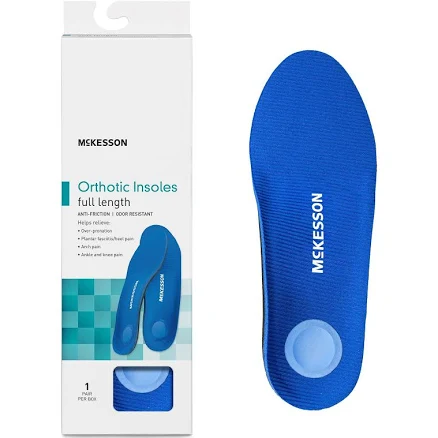
McKesson · Synthetic Athletic Insoles & Orthotics
McKesson Insole Size
Not enough public information. Contact brand for material details.
McKesson hasn't publicly detailed this insole's makeup. Standard foam or rubber insoles typically pose lower PFAS risk, but the brand discloses nothing. Ask the retailer or manufacturer for material specifics.
Still want this one anyway? Check the price on Amazon. We’d swap it.
Material
Foam, fabric, or rubber insole (base composition unconfirmed)
Brand disclosure
Brand is silent on PFAS
Lab data
No public lab test
You may also be interested in
Top-graded picks in the categories readers replace first, every one scored on the same rubric.

Aqua Pure
3M Aqua-Pure AP802B Whole House Filter Housing
- polypropylene filter housing, carbon/sediment cartridge
- We found no PFAS statement from the brand
- Bacterial growth in spent cartridges
3 hazards checked on this product. See all of them.

Aquasure
Premier Series 75 GPD Under Sink Reverse Osmosis Water Filtration System
- RO membrane, carbon filters, stainless steel housing
- We found no PFAS statement from the brand
- Bacterial and microbial growth in housing and filters
4 hazards checked on this product. See all of them.

Avocado
Vegan Mattress
- organic cotton, natural latex, coconut coir, recycled steel coils
- The brand calls it PFAS-free, which we have not verified
- Heavy metals
2 hazards checked on this product. See all of them.
What McKesson Insole Size is made of, ingredients and materials
McKesson Samson insoles are described as foam, fabric, or rubber composites, but the exact polymer type, adhesives, and manufacturing process remain unconfirmed by public sources. The base material determines whether volatile organic compounds (VOCs) will off-gas during wear, whether the foam will break down into microparticles, and how moisture retention might trigger mold or bacterial growth. Without material safety data sheets publicly available, the chemical profile of dyes, flame retardants, or preservatives in the fabric or foam layers cannot be assessed.
What’s concerning
Category baseline
The starting point for this type of product, before anything specific to this product is counted.
No PFAS disclosure
No public statement from the brand about PFAS in this product.
Formaldehyde / VOCs
Formaldehyde-based resins are common in budget foam and fabric glues used in insole manufacturing. No public testing data exists for this specific product; check packaging for any odor warning or flame-retardant labeling, which often signals resin use.
Source, ATSDR ↗Heavy metals
If the fabric component is dyed, azo dyes (banned in EU but not fully restricted in the US) or lead/cadmium in pigments are a low but present risk in generic footwear. Samson provides no dye source or safety data.
Source, FDA ↗Microparticle shedding from foam or rubber degradation
EVA and polyurethane foams degrade over time, especially under pressure and moisture. Shed particles accumulate in socks and footwear, but systemic health risk from this route is not established; primarily a durability and cleanliness issue.
Bacterial or mold colonization in foam matrix
Closed-cell foam insoles trap moisture and provide a microenvironment for microbial growth if not dried regularly. This is a hygiene and odor issue rather than a chemical safety issue, but relevant to long-term use.
Volatile organic compounds (VOCs) from adhesives or foam conditioning agents
New foam and rubber insoles commonly off-gas low levels of VOCs during the first days to weeks of wear. Without material disclosure, the type and quantity cannot be assessed; ventilation during initial use is prudent.
What’s reassuring
Base material not linked to PFAS
The main material recorded for this product is not one associated with PFAS.
The full breakdown
The brand's record and disclosure
Samson (under McKesson distribution) provides no public transparency on material sourcing, certifications, or chemical testing for this insole line. No established recalls, safety controversies, or third-party safety certifications (e.g., Oeko-Tex, ISO standards) appear in public records. The brand's silence on PFAS, formaldehyde resins, or heavy metals in dyes is consistent with the broader medical device/retail footwear industry's minimal disclosure standard, but represents a missed opportunity for consumer confidence.
How it compares in its category
Generic retail insoles typically use ethylene vinyl acetate (EVA) foam, polyurethane, or recycled rubber, none of which have inherent regulatory red flags if free from added fire retardants or dyes. Samson's composite construction is mid-market and not notably differentiated in safety profile from competitors. Premium insoles often carry Oeko-Tex certification or material disclosure; budget alternatives offer similar chemical risk profiles but with even less transparency.
If you buy it
Monitor the insole for odor (sign of off-gassing) during the first week of wear, especially if warm or moist. Replace if foam compresses unevenly, tears, or shows surface degradation, as fragmented particles may accumulate in footwear microenvironments. Store in a dry location and allow air circulation to prevent bacterial or mold growth from moisture entrapment. Do not expose to heat sources (radiators, direct sun) as this may accelerate degradation and VOC release.
What we don’t know
- Basis
- Model estimate, 35% confidence, not a lab result
- Lab test
- None on record for this exact product
- Brand statement
- McKesson has made none
Formulations change between production runs, so check the current label. How we grade.
More synthetic athletic insoles & orthotics grades
How we score, every product runs through the same public 0-100 rubric based on materials, coatings, brand disclosure, lab findings, and recalls. See the full methodology → Spotted a mistake? Report an error.