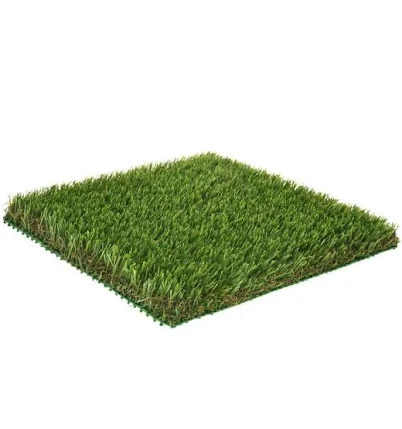
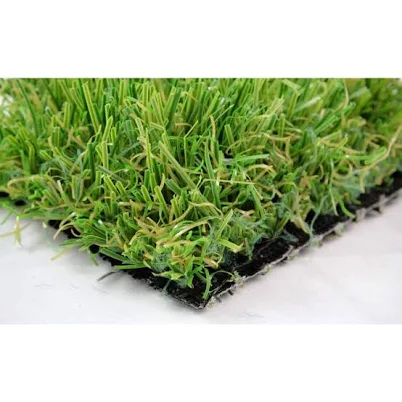
Unbranded Cruze Artificial Grass Turf
Wait for manufacturer to disclose PFAS status; artificial turf coatings commonly contain PFAS.
Artificial grass turf generally receives water-repellent and stain-resistant coatings for outdoor durability. This product has no PFAS disclosure or lab testing, and artificial turf is a recognized PFAS application.
The better-graded swap
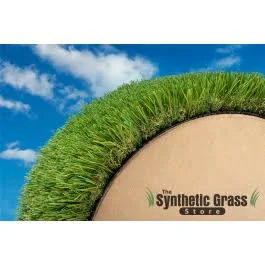
Green Valley Pro 105
75/100 safety
Same rubric that flunked this product. The swap earned Excellent.
Still want this one anyway? Check the price on Amazon. We’d swap it.
Material
Polyethylene (PE) fibers with proprietary stain/water treatment
Brand disclosure
Brand is silent on PFAS
Lab data
No public lab test
You may also be interested in
Top-graded picks in the categories readers replace first, every one scored on the same rubric.

- polypropylene filter housing, carbon/sediment cartridge
- We found no PFAS statement from the brand
- Bacterial growth in spent cartridges
3 hazards checked on this product, all on its full breakdown.

Aquasure
Premier Series 75 GPD Under Sink Reverse Osmosis Water Filtration System
- RO membrane, carbon filters, stainless steel housing
- We found no PFAS statement from the brand
- Bacterial and microbial growth in housing and filters
4 hazards checked on this product, all on its full breakdown.

Avocado
Vegan Mattress
- organic cotton, natural latex, coconut coir, recycled steel coils
- The brand calls it PFAS-free, which we have not verified
- Heavy metals
2 hazards checked on this product, all on its full breakdown.
What Unbranded Cruze Artificial Grass Turf is made of, ingredients and materials
Cruze uses polyethylene (PE) fibers, a common thermoplastic polymer in artificial turf that is chemically stable under normal use. The hazard lies not in the fiber itself but in the proprietary stain and water treatment coatings applied to the surface. These coatings are industry-standard practice to repel moisture and resist staining, but manufacturers rarely disclose their exact chemistry, making PFAS presence difficult to verify without direct inquiry.
What’s concerning
Category baseline
The starting point for this type of product, before anything specific to this product is counted.
No PFAS disclosure
No public statement from the brand about PFAS in this product.
Waterproof / stain-resistant treatment
Water-repellent coating treatments have historically used PFAS.
PFAS
Artificial turf coatings for stain and water resistance commonly use PFAS-based chemistries; Cruze has not publicly disclosed testing. PFAS can leach into soil and groundwater, particularly problematic in high-traffic areas or where runoff drains into local water systems.
Source, ATSDR ↗Microplastics
PE fiber turf naturally degrades and sheds microplastics over time, especially under foot traffic and UV exposure. While not a direct toxicant, accumulation in soil and water is an emerging environmental concern; indoor or heavily trafficked areas may see faster release.
Source, EPA ↗Heavy metals
Artificial turf may contain heavy metals (lead, cadmium) in dyes or infill materials used to color or weight fibers. Shaw has not published heavy metal testing for Cruze; this is particularly a concern if the turf will be used in areas accessible to children or pets.
Source, FDA ↗Bacterial or mold growth if moisture retained
Inadequate drainage or standing water can promote mold or bacterial colonization in the turf base or infill, particularly in humid climates. Proper installation with drainage substrate and regular rinsing minimize this risk but require user diligence.
What’s reassuring
VOC or off-gassing from coating
No reports of odor complaints or volatile organic compound emissions specific to Cruze have been documented. However, new artificial turf can emit minor odors during first outdoor exposure; this typically dissipates within weeks in well-ventilated environments.
How is this PFAS grade calculated?
The brand's record and disclosure
The brand is a major manufacturer with established market presence, but publicly available safety disclosures for Cruze turf are sparse. The brand has not published PFAS testing results or commitment statements on PFAS-free alternatives. No major recalls or safety controversies are on record for this specific product line, but silence on emerging contaminants like PFAS is increasingly problematic in the turf category.
How it compares in its category
Most artificial turf products fall into the same disclosure gap; few manufacturers voluntarily test or communicate PFAS status. Cruze is mid-range in transparency relative to competitors. Natural grass avoids these coating concerns entirely but requires more maintenance. Some newer brands have begun offering PFAS-free certifications, making them alternatives worth comparing if PFAS is a priority.
If you buy it
Use in well-ventilated outdoor settings; avoid high-temperature exposure (e.g., direct prolonged sunlight in extreme heat) that could stress the coating. Rinse periodically with water to remove dust and debris. Replace infill material (sand, rubber pellets) according to manufacturer guidance, typically every 5-8 years. Before purchase, contact Shaw directly to request PFAS testing data or material safety sheets for the specific stain/water treatment used.
What is not known about PFAS in this product?
- Basis
- Model estimate, 45% confidence, not a lab result
- Lab test
- None on record for this exact product
- Brand statement
- has made none
Formulations change between production runs, so check the current label. How we grade.
What are the PFAS-free alternatives to Unbranded Cruze Artificial Grass Turf?
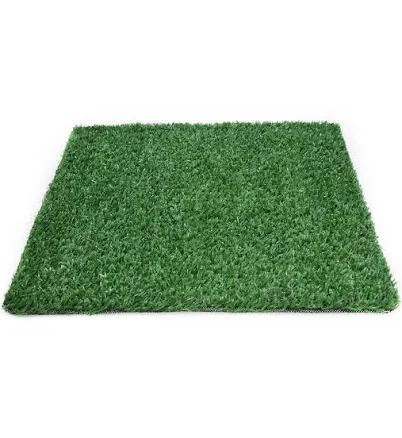
- Polypropylene (PP) astroturf
- We found no PFAS statement from the brand
- VOC off-gassing from polyurethane or latex adhesive
5 hazards checked on this product, all on its full breakdown.
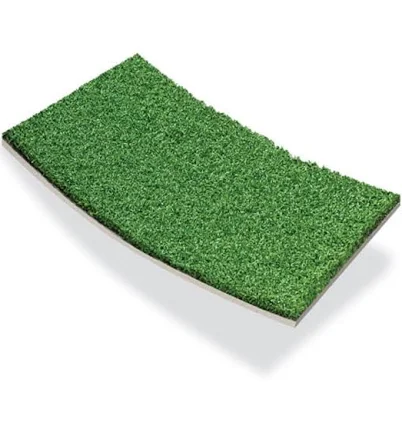
34 Oz Padded Gym Artificial Turf
- polyethylene turf fibers, polypropylene backing
- We found no PFAS statement from the brand
- VOC off-gassing from polyethylene and polypropylene
4 hazards checked on this product, all on its full breakdown.
- polyethylene/polypropylene synthetic grass fibers with backing
- We found no PFAS statement from the brand
- Flame retardants
4 hazards checked on this product, all on its full breakdown.
Find an alternative on AmazonMore artificial turf grades
How we score, every product runs through the same public 0-100 rubric based on materials, coatings, brand disclosure, lab findings, and recalls. See the full methodology → Spotted a mistake? Report an error.