Skechers · Running & Athletic Shoes
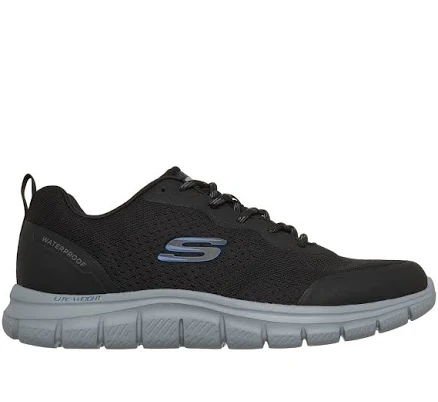
Skechers Men's Waterproof Track Woosher Sneaker
Waterproof treatment chemistry undisclosed; PFAS risk unclear without brand transparency.
This waterproof sneaker uses an unspecified water-repellent coating treatment. Skechers provides no PFAS disclosure, making the actual chemical composition unknown to consumers.
Still want this one anyway? Check the price on Amazon. We’d swap it.
Material
Synthetic leather upper, polyurethane/rubber sole, waterproof treatment (unspecified chemistry)
Brand disclosure
Brand is silent on PFAS
Lab data
No public lab test
What Skechers Men's Waterproof Track Woosher is made of, ingredients and materials
This sneaker uses synthetic leather (polymer upper), polyurethane/rubber sole, and an unspecified waterproof treatment. Synthetic leather avoids heavy metal tanning issues found in some chrome-tanned leather products. Polyurethane soles are durable but may off-gas volatile compounds during break-in. The waterproof chemistry, critical to performance, is not disclosed by Skechers, which is the core transparency gap here.
What’s concerning
Waterproof / stain-resistant treatment
Water-repellent coating treatments have historically used PFAS.
Category baseline
The starting point for this type of product, before anything specific to this product is counted.
No PFAS disclosure
No public statement from the brand about PFAS in this product.
Polyurethane sole off-gassing (volatile organics)
Polyurethane soles commonly emit volatile organic compounds during and shortly after manufacture. This is a recognized concern in the footwear category but diminishes with ventilation and time. Skechers does not specify cure time or VOC testing for this sole.
PFAS
Skechers has not disclosed whether waterproof treatment uses PFAS-based water-repellent coating, silicone, or other chemistry. This is the primary transparency gap; without this information, risk cannot be fully assessed. Industry practice suggests PFAS-based treatments remain common in budget-to-mid-range waterproof footwear.
Source, ATSDR ↗What’s reassuring
Formaldehyde / VOCs
No recalls or product testing on record for formaldehyde in this model. Synthetic leather uppers typically carry lower formaldehyde risk than some fabric blends, but polyurethane coatings may contain formaldehyde-releasing agents; no Skechers disclosure available.
Source, ATSDR ↗Azo dyes in synthetic upper or sole
No restricted azo dye violations documented for Skechers footwear in this range. Synthetic leather and rubber are lower-risk bases than natural fibers, but dye sourcing is not publicly specified.
Antimony in polyester or polyurethane
Antimony is used as a catalyst in some polyurethane and polyester production. No testing or recalls on record for this sneaker. Polyurethane soles are not inherently high-antimony products, but manufacturing transparency is absent.
The full breakdown
The brand's record and disclosure
Skechers does not publicly disclose waterproof treatment chemistry (e.g., whether PFAS-based, silicone, or other) on product pages or technical specs. The brand has not published PFAS reduction commitments or third-party certifications (such as bluesign or GOTS) for footwear lines. No recalls related to formaldehyde resins, azo dyes, or antimony have been recorded for this specific model, but the absence of disclosure limits independent assessment.
How it compares in its category
Waterproof sneakers often rely on PFAS-based treatments (water-repellent coating finishes) or polyurethane laminate layers; Skechers has not specified which approach this uses. Competitors (e.g., Keen, Salomon, some New Balance lines) increasingly disclose PFAS-free or lower-PFAS alternatives. This model's silence on waterproof method places it in a middle-disclosure category, not worst, but below brands that commit to PFAS alternatives or lab-verified testing.
If you buy it
Wear indoors briefly to allow off-gassing of any polyurethane volatiles before prolonged outdoor use. Avoid machine washing; hand wash with mild soap and air dry away from direct heat to prevent sole degradation. Do not expose to sustained high temperatures (above 50°C/122°F). Request specific waterproof chemistry from Skechers customer service; transparent response would reduce long-term confidence risk.
What we don’t know
- Basis
- Model estimate, 35% confidence, not a lab result
- Lab test
- None on record for this exact product
- Brand statement
- Skechers has made none
Formulations change between production runs, so check the current label. How we grade.
Better-graded alternatives in Running & Athletic Shoes
Converse
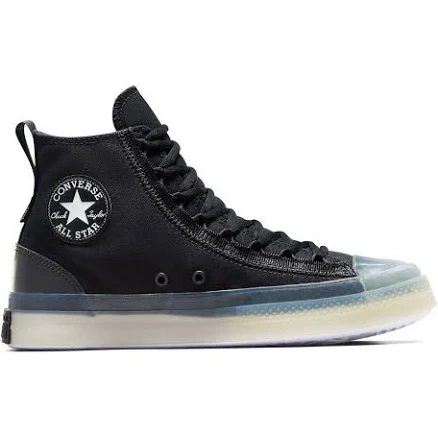
Chuck Taylor All Star Cx Exp2 4.5 Men A07199C
- Canvas upper, rubber sole
- We found no PFAS statement from the brand
- Azo dyes in canvas
2 hazards checked on this product. See all of them.
Converse
Run Star Trainer
- Canvas, rubber sole
- We found no PFAS statement from the brand
- Azo dyes and synthetic dyes
4 hazards checked on this product. See all of them.
New Balance
Women's Fresh Foam Arishi v4 Shoes
- Mesh upper, Fresh Foam midsole, rubber outsole
- We found no PFAS statement from the brand
- Azo dyes and color-based toxins
2 hazards checked on this product. See all of them.
More running & athletic shoes grades
How we score, every product runs through the same public 0-100 rubric based on materials, coatings, brand disclosure, lab findings, and recalls. See the full methodology → Spotted a mistake? Report an error.