Skechers · Running & Athletic Shoes
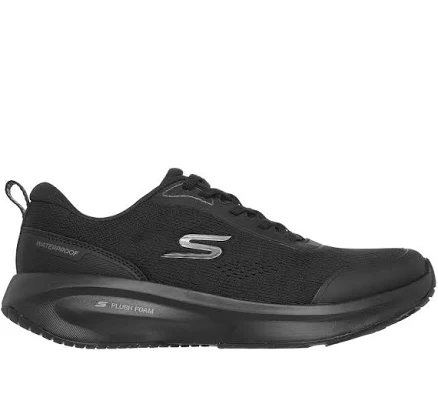
Skechers Women's Waterproof Plush Foam
Waterproof footwear; PFAS risk unclear, check brand disclosure
Skechers does not publicly disclose PFAS treatment details for this shoe. Waterproof footwear typically uses water-repellent coating coatings that may contain PFAS, but Skechers provides no transparency on their formulation.
Still want this one anyway? Check the price on Amazon. We’d swap it.
Material
Synthetic foam, textile upper with waterproof treatment
Brand disclosure
Brand is silent on PFAS
Lab data
No public lab test
What Skechers Women's Waterproof Plush Foam is made of, ingredients and materials
This shoe combines a synthetic foam midsole with a textile upper and an applied waterproof treatment. The foam itself (likely polyurethane or EVA-based) is not inherently hazardous at normal use temperatures, but the waterproof coating applied to textiles in footwear is a common vector for PFAS (PFAS "forever chemicals") to achieve water repellency. Skechers has not publicly disclosed whether this treatment uses PFAS or fluorine-free alternatives, leaving the specific chemical composition unclear.
What’s concerning
Waterproof / stain-resistant treatment
Water-repellent coating treatments have historically used PFAS.
Category baseline
The starting point for this type of product, before anything specific to this product is counted.
No PFAS disclosure
No public statement from the brand about PFAS in this product.
PFAS
Skechers has not publicly stated whether the waterproof treatment uses PFAS, PFOA, or fluorine-free alternatives. For waterproof textiles in footwear, PFAS is a common (though not universal) choice. Without brand disclosure, the presence and type of treatment chemical remain unconfirmed.
Source, ATSDR ↗What’s reassuring
Synthetic foam degradation and adhesive volatiles
Polyurethane and EVA foams used in shoe midsoles do not typically leach hazardous chemicals at body temperature under normal wear. However, adhesives and backing treatments on the textile-to-foam bond may release volatile organic compounds (VOCs) if exposed to heat or prolonged moisture, though no specific recalls or hazards are on record for Skechers foam shoes.
Azo dyes in synthetic textile upper
Synthetic textile uppers in footwear may be dyed with azo dyes, some of which can release toxic amines. No specific recalls or hazards are on record for Skechers women's foam shoes, and synthetic textiles are generally subject to the same regulatory standards as apparel. Brand testing practices are not publicly disclosed.
Formaldehyde / VOCs
Textiles used in shoe uppers may retain trace formaldehyde from manufacturing finishes or sizing. No specific reports or recalls exist for Skechers foam footwear. Washing before first wear and airing the shoe in fresh air reduces any residual volatile finishes.
Source, ATSDR ↗Heavy metals
Dyes and pigments used to color synthetic textiles can contain trace lead or cadmium in some cases, particularly in darker or more vivid colors. No recalls or hazards are on record for Skechers women's foam shoes, and U.S. footwear is subject to labeling and use restrictions on heavy metals in decorative coatings.
Source, FDA ↗The full breakdown
The brand's record and disclosure
Skechers does not maintain a published position on PFAS use in waterproof footwear or broader chemical transparency initiatives. The brand has no known major recalls specific to chemical hazards in women's foam shoes. This silence around waterproofing chemistry is common in footwear but means consumers cannot easily verify whether PFAS, PFOA, or other fluorinated compounds are present in the treatment applied to this upper.
How it compares in its category
Most mass-market waterproof women's foam shoes rely on chemical water repellents rather than mechanical barriers (sealed seams, coated fabrics). Skechers' product is typical in this regard. Brands offering documented fluorine-free or PFAS-free waterproofing are available but often at higher price points or limited in style range. The plush foam comfort feature is a standard market differentiator and does not address chemical hazard concerns.
If you buy it
Wash the shoe regularly with mild soap and water to reduce any residual treatment chemicals and dust. Avoid high-heat drying or direct heat sources, which can degrade synthetic foam and potentially release volatile compounds from adhesives or coatings. Replace when the foam loses cushioning or the upper shows visible wear or water penetration. Store in a cool, dry place and do not expose to prolonged sunlight, which degrades synthetic materials over time.
What we don’t know
- Basis
- Model estimate, 45% confidence, not a lab result
- Lab test
- None on record for this exact product
- Brand statement
- Skechers has made none
Formulations change between production runs, so check the current label. How we grade.
Better-graded alternatives in Running & Athletic Shoes
Converse
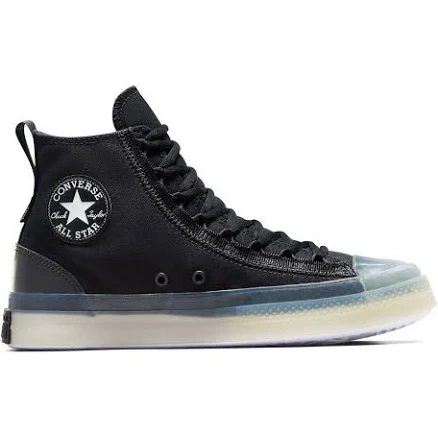
Chuck Taylor All Star Cx Exp2 4.5 Men A07199C
- Canvas upper, rubber sole
- We found no PFAS statement from the brand
- Azo dyes in canvas
2 hazards checked on this product. See all of them.
Converse
Run Star Trainer
- Canvas, rubber sole
- We found no PFAS statement from the brand
- Azo dyes and synthetic dyes
4 hazards checked on this product. See all of them.
New Balance
Women's Fresh Foam Arishi v4 Shoes
- Mesh upper, Fresh Foam midsole, rubber outsole
- We found no PFAS statement from the brand
- Azo dyes and color-based toxins
2 hazards checked on this product. See all of them.
More running & athletic shoes grades
How we score, every product runs through the same public 0-100 rubric based on materials, coatings, brand disclosure, lab findings, and recalls. See the full methodology → Spotted a mistake? Report an error.