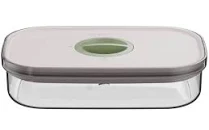
BergHOFF Leo Balance Smart Seal Food Container
Skip until brand discloses lid and seal material composition.
BergHOFF's Leo Balance container lacks public material disclosure for the lid and sealing layer. Food container lids often use problematic coatings; confirmation needed before purchase.
We flunk more products than we pass. This one earned its grade. How we grade
Material
Plastic container, lid material unspecified
Brand disclosure
Brand is silent on PFAS
Lab data
No public lab test
What BergHOFF Leo Balance Smart Seal Food is made of, ingredients and materials
The container body is plastic, but the specific resin type (polypropylene, polycarbonate, copolyester, etc.) is not stated in available product information. The lid material and seal composition are entirely unspecified, which is a significant gap because lids and seals in food-storage containers often contain different polymers or elastomers than the body, and may leach differently under temperature stress. Without resin identification, BPA/BPS and phthalate risk cannot be ruled out.
What’s concerning
Category baseline
The starting point for this type of product, before anything specific to this product is counted.
No PFAS disclosure
No public statement from the brand about PFAS in this product.
BPA & bisphenols
The resin type is not disclosed. If the body or lid contains polycarbonate or certain copolyesters, BPA or BPS may leach into food, especially when warm or acidic. No brand statement confirms BPA-free status.
Source, FDA ↗Phthalates
Flexible seal materials and some plastic formulations may contain phthalates to improve flexibility. Without specification of the seal material (silicone, rubber, plasticized PVC, or other), this hazard cannot be ruled out.
Source, ATSDR ↗Lid and seal material leaching
Food-storage lid seals are a known source of migration in laboratory studies, particularly when seals are made from non-food-grade elastomers or contain additives. This product's lid composition is entirely unspecified, making assessment impossible.
What’s reassuring
Base material not linked to PFAS
The main material recorded for this product is not one associated with PFAS.
Microplastics
No specific degradation issues or recalls are on record for this brand. However, if the lid seal is lower-quality elastomer or the container body is thin, mechanical wear or UV exposure could shed particles over time. Inspect regularly for surface cracks or flaking.
Source, EPA ↗Coating or additive off-gassing
No coating is named in product information, so volatile organic compound risk is not established. Standard plastic food containers typically do not require surface coatings, but unconfirmed manufacturing details prevent definitive assessment.
The full breakdown
The brand's record and disclosure
BergHOFF and Smart Seal branding is associated with kitchen products, but public disclosure of material composition, migration testing, or certification (FDA, BPA-free claims, third-party testing) is not on record for this specific product line. No major recalls or established safety controversies are documented. The brand has not publicly committed to PFAS-free manufacturing or provided lid-seal material specifications, which limits independent safety verification.
How it compares in its category
Food-storage containers typically range from low-concern (glass, stainless steel, certified BPA-free polypropylene with transparent labeling) to higher-concern (polycarbonate with BPA, unlabeled plastics with unknown additives). This product occupies a middle zone, marketed as a 'smart seal' system but lacking the transparency of leading brands (e.g., OXO Good Grips, Pyrex, Rubbermaid) that openly publish material specs and third-party certifications. The sealed design is a selling point for freshness but does not inherently reduce chemical leaching risk.
If you buy it
Do not use with hot or warm foods; store only room-temperature or cold items to minimize plastic leaching. Avoid microwaving unless the lid is explicitly labeled microwave-safe (not confirmed here). Replace the container if the lid seal becomes loose, discolored, or cracked, as degraded seals may leach faster. Request material specification and BPA/BPS status from the retailer or brand before purchase; if unavailable, consider switching to a brand with published safety data.
What we don’t know
- Basis
- Model estimate, 35% confidence, not a lab result
- Lab test
- None on record for this exact product
- Brand statement
- Smart Seal has made none
Formulations change between production runs, so check the current label. How we grade.
Better-graded alternatives in Lunch Boxes
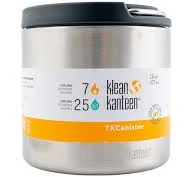
Klean Kanteen
Double Wall Vacuum Insulated Stainless Steel Food Canister Container with Leak Proof Lid
- Stainless steel body, silicone gasket lid seal
- The brand calls it PFAS-free, which we have not verified
- Silicone gasket degradation
3 hazards checked on this product. See all of them.
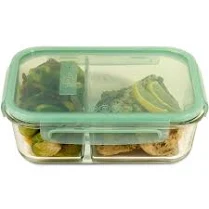
Snapware
Meal Box Glass
- borosilicate glass
- We found no PFAS statement from the brand
- Leaching from glass matrix or lid seals
2 hazards checked on this product. See all of them.
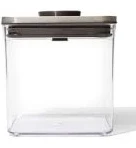
OXO
Steel Pop Big Square Short - 2.8 Qt/2.6 l
- Stainless steel container, no surface treatment
- Lid/gasket polymer leaching
3 hazards checked on this product. See all of them.
More lunch boxes grades
How we score, every product runs through the same public 0-100 rubric based on materials, coatings, brand disclosure, lab findings, and recalls. See the full methodology → Spotted a mistake? Report an error.