
Solid & Striped Women's Alma One-Piece Swimsuit
Lower-concern swimwear; no known PFAS triggers, but brand offers no transparency.
Solid & Striped's Alma One-Piece is a standard nylon/spandex swimsuit with no disclosed water-repellent or stain-resistant coatings, the primary PFAS exposure in apparel. The brand doesn't publicly address PFAS.
The better-graded swap
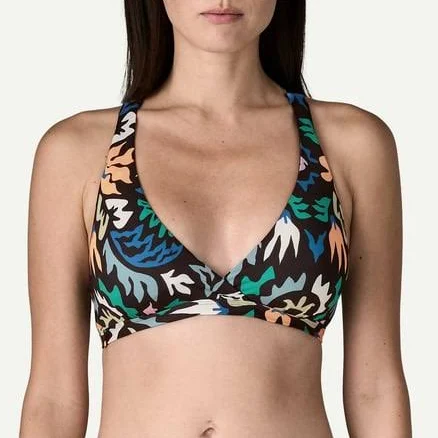
Patagonia
Patagonia Women's Bottom Turn Racerback Bikini Top
90/100 safety
Same rubric that flunked this product. The swap earned Excellent.
Still want this one anyway? Check the price on Amazon. We’d swap it.
Material
Nylon/spandex blend swimsuit fabric
Brand disclosure
Brand is silent on PFAS
Lab data
No public lab test
What Solid & Striped Women's Alma One-Piece is made of, ingredients and materials
The Alma one-piece is constructed from a nylon-spandex (elastane) blend, a standard material for swimwear that combines durability with stretch. Nylon itself is a synthetic polyamide with a stable chemical profile in normal use; spandex adds elasticity without adding known toxicity concerns at consumer concentrations. The blend is inherently chlorine-resistant compared to natural fibers, making it suitable for pool or saltwater environments without major degradation risk over typical wear seasons.
What’s concerning
Category baseline
The starting point for this type of product, before anything specific to this product is counted.
No PFAS disclosure
No public statement from the brand about PFAS in this product.
Azo dyes and colorant safety
Nylon readily accepts synthetic dyes, including azo dyes, which can release aromatic amines under certain conditions (sweat, chlorine exposure). No brand-specific testing or restriction is disclosed; assume standard industry vetting applies, which typically meets regulatory minimums but does not exclude lower-risk azo variants.
Formaldehyde / VOCs
Swimwear fabrics may undergo resin finishing for shrinkage control or water-repellency; formaldehyde-based cross-linkers are common in apparel processing. Solid & Striped does not specify finish-free or low-formaldehyde treatment; off-gassing during initial wear and laundering is unlikely to be hazardous but cannot be ruled out without testing.
Source, ATSDR ↗What’s reassuring
Base material not linked to PFAS
The main material recorded for this product is not one associated with PFAS.
Spandex degradation and leaching
Spandex itself does not leach hazardous compounds under normal use; degradation from UV and chlorine causes loss of stretch but not chemical release. No established hazard from spandex breakdown in nylon-spandex swimwear at consumer exposure levels.
Heavy metals
Modern synthetic dye manufacturing in regulated facilities typically excludes cadmium and lead; no recalls or testing failures for Solid & Striped swimwear are on record. Brand does not certify heavy metal limits, so assessment relies on general industry compliance.
Source, FDA ↗Antimony in polyester (not applicable; nylon-based)
Antimony is a catalyst used in polyester production but not in nylon synthesis. The Alma one-piece uses nylon, so antimony contamination is not a relevant concern for this specific product.
The full breakdown
The brand's record and disclosure
Solid & Striped does not publicly disclose detailed chemical testing, certifications, or PFAS statements on product labels or websites as of available records. The brand has not faced significant product recalls or regulatory actions related to chemical hazards in swimwear. No independent third-party certifications (such as OEKO-TEX or Bluesign) are advertised for this line, which means verification of dye safety and processing residues relies on general industry practices rather than brand-specific assurance.
How it compares in its category
Nylon-spandex swimwear is the dominant material across mass and mid-market brands and carries fewer reported chemical risks than vintage polyester or untreated cotton blends. Competitors at similar price points (e.g., J.Crew, Madewell) also do not routinely disclose chemical testing unless they hold specific certifications. Solid & Striped's lack of transparency is typical for the category rather than a red flag; the material choice itself is conservative from a hazard standpoint.
If you buy it
Rinse the swimsuit in fresh water after chlorine or saltwater use to remove residual chemicals and salts that accelerate fabric degradation. Wash in cool water with mild detergent and lay flat to dry; avoid hot water and direct heat, which can degrade spandex elasticity over time. Replace when elastic fails noticeably (loss of snug fit or visible wear) rather than waiting for tears, typically after 1 to 2 seasons of regular use. Do not dry-clean, as solvents can damage the synthetic fibers.
What we don’t know
- Basis
- Model estimate, 72% confidence, not a lab result
- Lab test
- None on record for this exact product
- Brand statement
- Solid & Striped has made none
Formulations change between production runs, so check the current label. How we grade.
Better-graded alternatives in Swimwear
Patagonia
Women's Bottom Turn Racerback Bikini Top
- Nylon/polyester blend with elastane (standard swimwear)
- The brand calls it PFAS-free, which we have not verified
- Elastane (spandex) degradation under heat or chlorine
More swimwear grades
How we score, every product runs through the same public 0-100 rubric based on materials, coatings, brand disclosure, lab findings, and recalls. See the full methodology → Spotted a mistake? Report an error.